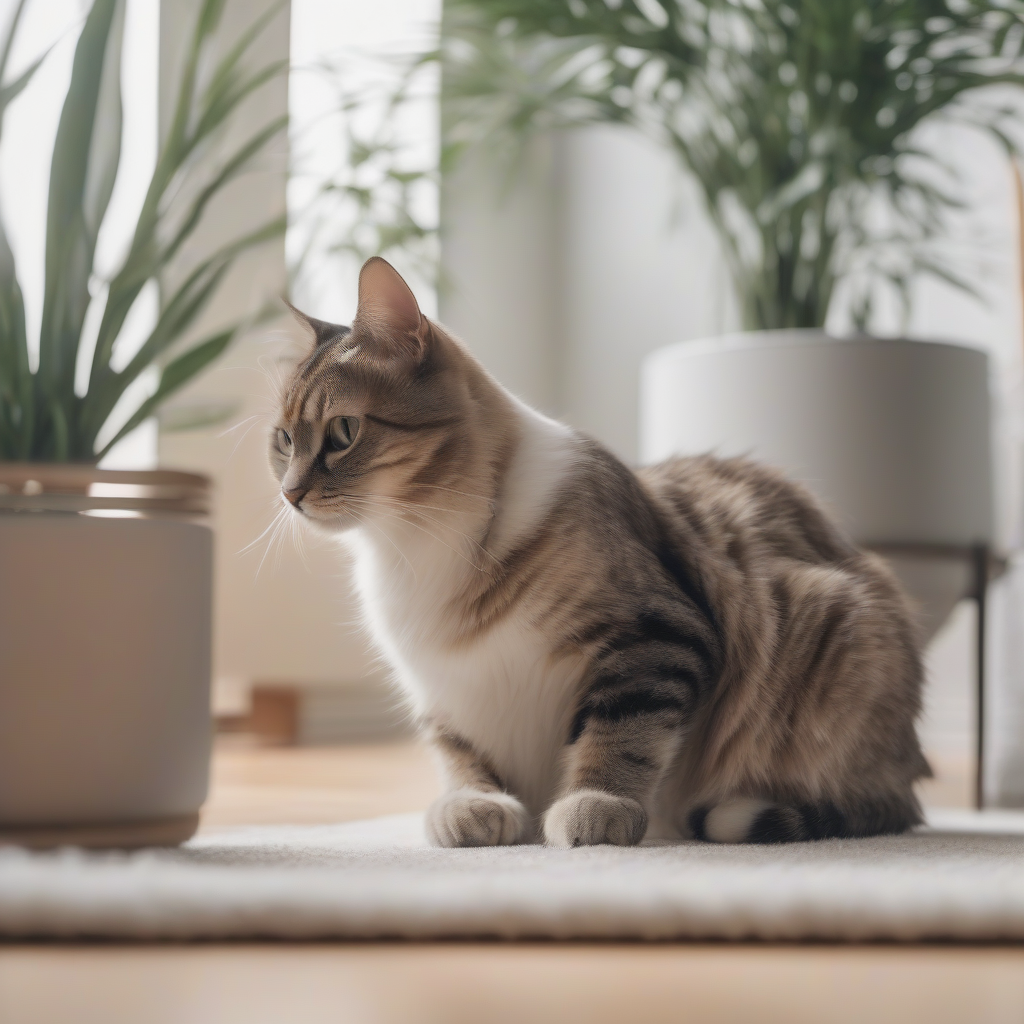
March 2026's Focus: Spring Allergy Outbreak in Cats! 7 Viral & Innovative Ways to Protect Your Feline Friend
As we enter March 2026, the awakening of nature brings forth new health concerns for our beloved companions. Spring allergies, a perennial nightmare for humans, are now becoming a "silent epidemic" for our cats. Triggered by pollen, dust mites, and seasonal changes, this condition can seriously impact a cat's quality of life. At YuDo Pet, we address spring allergies in cats, a topic of growing concern for cat owners, by sharing 7 viral and innovative solutions, from recognizing symptoms to implementing protective measures.
Why Are Spring Allergies on the Rise in Cats?
Cats, by nature, are incredibly resilient creatures. However, changing environmental conditions and modern lifestyles are making them more vulnerable to allergies. The "allergy outbreak" we observe as of March 2026 stems from several key reasons:
Environmental Factors and Changing Climate
Global climate change is extending pollen seasons and increasing the allergen load in the atmosphere. Pollen released from trees, grasses, and weeds can trigger allergic reactions when it comes into contact with a cat's nose, eyes, and skin. Furthermore, increased indoor humidity and temperature create fertile ground for the proliferation of indoor allergens like dust mites.
The Link Between Nutrition and the Immune System
A cat's immune system health plays a critical role in its resistance to allergies. Certain additives or low-quality ingredients used in commercial cat foods can, in the long term, weaken a cat's immune system, increasing its susceptibility to allergies. It's no coincidence that "holistic nutrition" and "gut microbiome" trends are so popular in March 2026; a strong digestive system means a strong immune system.
Hidden Symptoms of Spring Allergies in Cats: Early Diagnosis is Crucial
Cats are often adept at hiding their discomfort. However, when it comes to spring allergies, careful observation can help catch early signs. Here are some hidden indicators that your furry friend might be suffering from allergies:
Visible and Behavioral Signs
- Excessive Itching and Licking: Intense itching, redness, and scabbing, especially on the face, ears, paws, and abdomen. Be attentive if your cat constantly grooms itself or bites a particular area.
- Increased Hair Loss and Patchy Baldness: Hair pulling due to itching or sparse fur resulting from excessive licking.
- Sneezing, Coughing, or Wheezing: Especially if these symptoms increase after spending time outdoors.
- Eye Discharge and Redness: Swelling around the eyes, watery eyes, or the third eyelid becoming visible.
- Paw Inflammation: Redness, swelling, or inflammation between the toes.
- Loss of Appetite or Low Energy: A general state of lethargy or unwillingness to play.
If you notice one or more of these symptoms, it is crucial to consult your veterinarian without delay.
March 2026's Viral & Innovative Solutions: How to Protect Your Furry Friend?
To help your cat combat spring allergies, we've compiled the most current and effective strategies for March 2026:
1. Smart Home Environment Management: No Entry for Allergens!
Purifying your home environment from allergens is the first step to improving your cat's quality of life. High-efficiency HEPA air purifiers can significantly alleviate symptoms by clearing pollen, dust, and dust mites from the air. Smart dehumidifiers that maintain humidity between 40-50% also prevent the proliferation of dust mites. Furthermore, opting for hypoallergenic and easy-to-clean bedding, rugs, and furniture fabrics reduces allergen accumulation. Regular use of robot vacuums minimizes the pollen and dust load on floors.
2. Nutrition Revolution: Hypoallergenic and Supportive Foods
Revisiting your cat's diet plays a key role in allergy management. Hypoallergenic or hydrolyzed protein-based foods, gaining popularity in March 2026, reduce the potential for food allergies, while options enriched with nutrients that support the immune system against environmental allergies are coming to the forefront. Supplements or foods containing omega-3 fatty acids (fish oil), probiotics (for gut health), and antioxidants (Vitamins C and E) can help support skin and coat health while reducing inflammation. Switching to a special diet program as recommended by your veterinarian can help alleviate allergy symptoms.
3. Natural Supports and Herbal Solutions (Veterinarian-Approved)
Alternative medicine, under the supervision of veterinarians, can play a supportive role in allergy management. Herbal supplements with natural anti-inflammatory properties, such as chamomile or green tea, may help soothe your cat's itching and skin irritation. However, always consult your veterinarian before using any herbal product; some plants can be toxic to cats.
4. Regular Grooming and Hygiene Routines: Cleanse Allergens
During spring, your cat's grooming routine becomes even more important for reducing the allergen load. Regular and gentle brushing removes pollen and other allergens from their fur. Wiping your cat's paws with a damp cloth after they've been outdoors reduces the amount of allergens tracked into the house. Baths with hypoallergenic or soothing shampoos recommended by your vet (if your cat tolerates them) can clean allergens from the skin and alleviate itching.
5. Tele-Veterinary Services and Early Detection Applications
Thanks to the technological advancements of March 2026, tele-veterinary services offer great convenience for evaluating allergy symptoms at an early stage. You can quickly get a preliminary consultation by sharing changes in your cat with your veterinarian via video calls or photos, avoiding unnecessary stressful vet visits. Next-generation smart paw sensors or fur analysis devices can also help detect potential allergic reactions more precisely.
6. Stress Management and Calming Environment
Allergies can cause stress in cats, and stress can, in turn, worsen allergy symptoms. Therefore, creating a calm and peaceful environment for your cat is crucial. Providing pheromone diffusers, calming toys, and ample enrichment (safe scratching posts, high observation points) can help improve your cat's mood and assist them in coping with allergies. The "Cat Zen" concept becomes even more critical during allergy seasons.
7. Personalized Allergy Tests and Treatment Approaches
The most effective solution often comes from a personalized approach. Your veterinarian may recommend specific blood tests or elimination diets to identify your cat's allergens. Immunotherapy (allergy shots) against identified allergens, or medication treatments like antihistamines and corticosteroids, may be the most suitable solutions to control symptoms. In March 2026, genetic tests and personalized drug development are also opening new horizons in allergy treatment.
When Should You Consult a Veterinarian?
If you suspect your cat is showing any signs of allergies, avoid self-diagnosing or attempting to treat them yourself. Every cat's situation is different, and incorrect applications can lead to serious health problems. The most appropriate approach is to consult an experienced veterinarian for a detailed examination and a personalized treatment plan after an accurate diagnosis.
Remember, in March 2026, combating your cat's spring allergies means not only alleviating symptoms but also protecting its overall health and happiness in the long term. At YuDo Pet, we are always here to ensure your furry friend has a healthy and enjoyable spring!