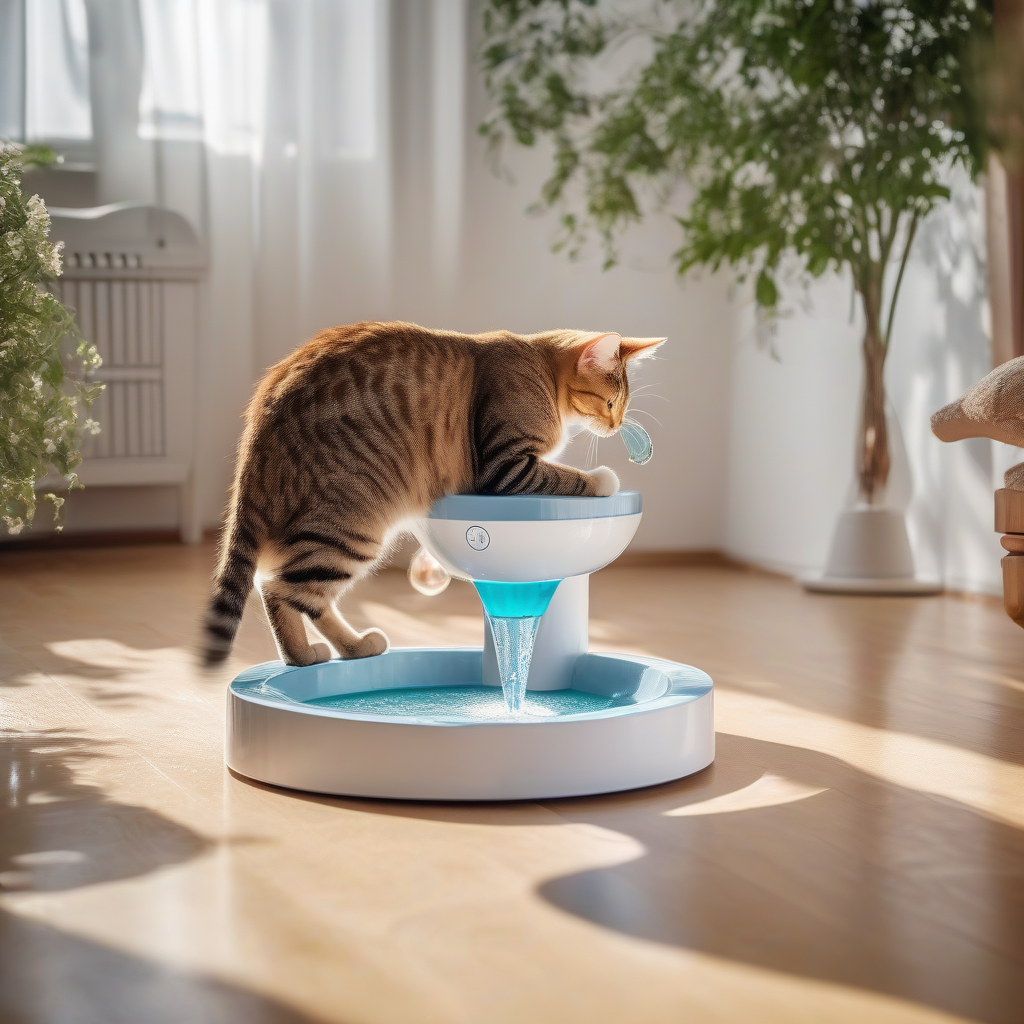
March 2026's Viral Secret: Your Cat's 'Hidden Hydration' Code! 7 Smart Drinking Strategies for Your Feline Friend's Spring Vitality
Welcome to March 2026! With the freshness and energy of spring, maintaining the health and vitality of our beloved feline companions becomes more important than ever. Cats, by their very nature, can be somewhat picky about drinking water. However, optimal hydration is a critical factor for their overall health, energy levels, and longevity. Especially during the spring months, increased shedding, potential outdoor explorations, and rising temperatures further heighten your cat's need for water.
In this article, we'll combine the latest pet technologies and scientific approaches of 2026 to discover 7 smart and viral strategies that will help you unlock your cat's "hidden hydration code." Are you ready to ensure that every sip your furry friend takes contributes to their spring vitality?
Why is Hydration So Crucial for Cats?
Cats carry an evolutionary legacy from their desert-dwelling ancestors. Therefore, they often don't develop as pronounced a thirst sensation as dogs or humans and historically obtained most of their water needs from the prey they hunted. In modern domestic cats, this can increase the risk of chronic dehydration. Insufficient water intake is one of the primary causes of serious health issues such as kidney disease, urinary tract infections, and constipation. Water plays a key role in vital processes such as proper organ function, facilitating digestion, regulating body temperature, and transporting nutrients to cells.
During spring, cats' metabolism speeds up, shedding increases, and with rising air temperatures, they tend to lose more water from their bodies. Therefore, ensuring your cat consumes an adequate amount of water is essential for them to have a healthy and energetic spring.
March 2026's Viral Hydration Strategies: 7 Smart Methods
Meet the most popular and effective strategies of 2026 to improve your cat's drinking habits and support their spring vitality:
1. Smart Water Fountains and Advanced Filtration Technologies
Thanks to evolving pet technologies, smart water fountains now offer much more than just filtered water. As of March 2026, models with UV sterilization, sensors that instantly measure water freshness, and even apps that notify you about how often your cat approaches the fountain and how much water they consume are quite common. Cats love running water; these fountains mimic the sensation of natural streams and rivers, stimulating their natural instincts and encouraging them to drink. Clean, filtered, and moving water is the most enticing option.
2. Strategic Placement and Variety of Water Sources
Cats are highly sensitive to the location and type of their water bowls. Placing water bowls in several different quiet and safe spots, away from food bowls or litter boxes, can increase their water intake. Additionally, experimenting with bowls made of different materials is important: Stainless steel, ceramic, or glass bowls are healthier than plastic and keep water fresh longer. Some cats prefer wide, shallow bowls, while others might like high-sided ones. Choosing wide bowls that don't touch your cat's whiskers while drinking prevents "whisker fatigue."
3. Wet Food and 'Hydro-Rich' Supplemental Support
While convenient, dry food often falls short in providing the water your cat needs. Adding wet food to your cat's diet is one of the easiest ways to significantly boost their hydration levels. 'Hydro-rich' foods and gel-form hydration supplements, which are gaining popularity in March 2026, are also highly effective in this regard. These products offer a delicious and functional hydration solution with their high water content. A small amount of unsalted, unseasoned broth or specially formulated supplement water during meal times can provide a valuable contribution to your cat's nutrition.
4. Flavor Touches: Enticing Aromas for Water
You can use safe and mild aromas to make water more appealing to your cat. A few drops of unsalted, unseasoned chicken or fish broth (non-concentrated) or a very small amount of brewed and completely cooled catnip tea can enhance the water's taste and attract your cat's interest. However, always consult your veterinarian before adding such supplements and use them in very low doses. Our goal is to make the water more appealing, not to over-flavor it.
5. Ice Cubes and Fun Water Games
Especially in spring, ice cubes can have a cooling effect. When dropped into your cat's water bowl or fountain, they not only keep the water colder but also become a fun play object for your cat. Cats may enjoy playing with ice cubes and even drinking the melting water. You can even create a 'water hunt' game by freezing a small, safe, and washable toy inside an ice cube, increasing your cat's interaction with water and supporting their hydration.
6. 'Smart Water Tracking' Apps and IoT Devices
One of the most innovative trends of 2026 is smart apps and Internet of Things (IoT) devices that monitor your cat's water consumption. These systems integrate with smart water fountains to track your cat's daily water intake, send you notifications if there are abnormalities, and even provide detailed reports that you can share with your vet. This allows you to be more informed about your cat's hydration status and detect potential health issues early.
7. 'Regional Hydration' in Multi-Cat Households
In households with multiple cats, water sources can become a point of contention. It's crucial to ensure that each cat has its own comfortable and safe water area. This means placing an adequate number of water bowls or fountains in different areas of your home. This way, cats can access water comfortably without competing or feeling intimidated by each other. Ideally, having one more water bowl than the number of cats is the best approach.
Signs of Dehydration and When to Act
If you notice signs of dehydration in your cat, acting quickly is vital. Common symptoms include:
- Loss of Skin Elasticity: Gently pull up the skin on your cat's shoulders and release it. It should normally snap back instantly. If it returns slowly or remains elevated, it could be a sign of dehydration.
- Sunken Eyes: If their eyes appear more sunken than usual.
- Dry Mouth and Gums: If their gums are dry and sticky, and saliva production is reduced.
- Weakness and Lethargy: If they seem less active, sleepy, and lack energy than usual.
- Loss of Appetite: If they refuse to drink water and eat food.
If you observe any of these symptoms or a significant decrease in your cat's water consumption, it is crucial to consult your veterinarian without delay. Early intervention can prevent serious health complications.
In conclusion, ensuring your cat's hydration is indispensable for their overall health and spring vitality. By implementing these viral and smart strategies of March 2026, you can improve your furry friend's drinking habits and offer them a longer, healthier, and happier life. Remember, a healthy cat is a happy cat!