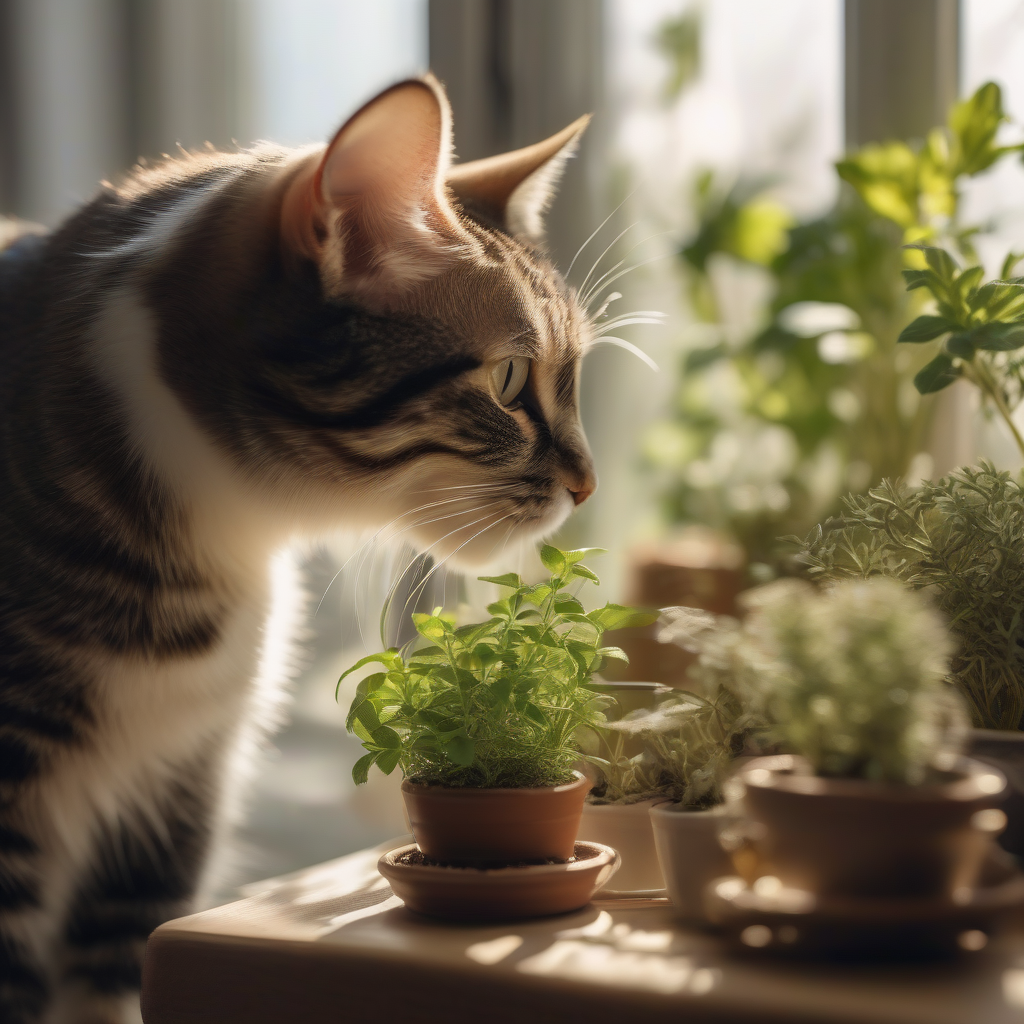
March 2026's Mysterious Scents: A Guide to Your Cat's 'Bio-Sensory Scent Exploration' for Mental Stimulation
In March 2026, innovative trends continue to rise in the world of pets, especially for cats. This month's prominent viral movement is the 'Bio-Sensory Scent Exploration' revolution, which targets cats' complex sense of smell and offers them enriching experiences. This trend aims to support not only the physical but also the mental well-being of our furry friends. So, how can you bring this new trend to life in your home and illuminate your cat's world with mysterious scents?
Why is 'Bio-Sensory Scent Exploration' So Important?
Cats perceive the world largely through scent. Their sense of smell is many times greater than humans', giving them unique abilities to understand their environment, gather information, and even regulate their emotional states. However, modern domestic life can prevent cats from fully utilizing these natural instincts. 'Bio-Sensory Scent Exploration' aims to fill this gap.
7 Viral Ways to Awaken Your Feline Friend's Mind:
Here are 7 innovative and viral methods to integrate 'Bio-Sensory Scent Exploration', one of this month's most discussed topics, into your home:
1. Create a DIY 'Scent Garden'
You can create your own 'scent garden' by placing different natural plants in an area accessible to your cat but safe. For instance, catnip, lavender (used sparingly and carefully), mint, and even some safe herbs (like thyme) can offer appealing scents for cats. Plants with different textures will also enrich the sensory experience.
2. Exploration Time with Scent Games
Hide small kibbles or treats inside various boxes or around toys. Encourage your cat to use its sense of smell to find these hidden treasures. This offers both mental and physical activity.
3. Introduce Different Scents (Safely and Controlled)
Introduce a new safe scent source each week. This could be different types of wood pieces, natural stones (well-washed and dried), or safe essential oils lightly dabbed on a favorite toy (only those proven safe for cats, like lavender or chamomile, and in very small amounts). The goal is to present a new 'story' to your cat's nose.
4. Scent Memory Games
Use the scent of a favorite toy or blanket to comfort your cat. You can make these objects' scents more prominent by gently warming them weekly (e.g., with a hairdryer from a distance). This will provide your cat with a familiar and safe scent experience.
5. Scent Matching Games
Take two identical objects, and lightly apply a scent your cat loves to one of them (e.g., a cloth piece dabbed with catnip oil). Have your cat find the scent difference between the two objects. This can improve concentration skills.
6. 'Zero Waste' Scent Experiences
Offer materials like used but clean cardboard boxes, paper bags, or burlap sacks made from natural fibers for your cat to explore. These materials can carry their own natural scents, or you can apply favorite scents lightly to them to create an exploration area.
7. 'Aromatherapy' (With Caution and Expert Supervision)
Another theme gaining popularity in March 2026 is special scent blends used with cat-friendly diffusers. However, extreme caution is advised here, and only products proven absolutely safe for cats, recommended by your veterinarian or a feline behaviorist, should be used. Some scents, like lavender, can have a calming effect when used in the correct amount and safely.
'Bio-Sensory Scent Garden' Safe Plant Options
When creating a scent garden for your cat, safety must be the top priority in plant selection. Here are some plants that are popular in March 2026 and considered safe for cats:
Most Loved Scent Sources for Cats:
- Catnip (Nepeta cataria): A classic option that creates euphoric effects in almost all cats.
- Valerian Root (Valeriana officinalis): Like catnip, it can have a stimulating effect on some cats.
- Lavender (Lavandula angustifolia): Can be calming when used in small amounts. Your cat may play with its leaves or stems.
- Mint (Mentha spp.): Some cats enjoy the scent of mint and interact with its leaves.
- Chamomile (Matricaria chamomilla): Thought to have mild calming effects.
- Cilantro (Coriandrum sativum): Some cats enjoy the smell of cilantro.
Points to Consider:
- Avoid Toxic Plants: Plants like lilies, dieffenbachia, and oleander are extremely toxic to cats, and such plants should be strictly avoided.
- Dosage is Important: Some plants (e.g., lavender) can cause discomfort in cats if used in excess. Use in small amounts and under observation.
- Every Cat is Different: Each cat has different scent preferences and sensitivities. Observe your cat's reactions carefully and discover what works best for them.
Strengthen Your Bond with 'Bio-Sensory Scent Exploration'
Sharing these types of sensory experiences with your cat is a great way to strengthen your bond. Discovering new scents together, playing games, and trying to understand their world deepens the trust and love between you. This innovative trend of March 2026 will add excitement and richness to both your life and your furry friend's life.
Remember, every cat has individual needs. While these guides offer general trends and ideas, you can learn about your cat's specific requirements by consulting your veterinarian or a feline behaviorist. Get ready to explore your furry friend's world with mysterious and enriching scents!