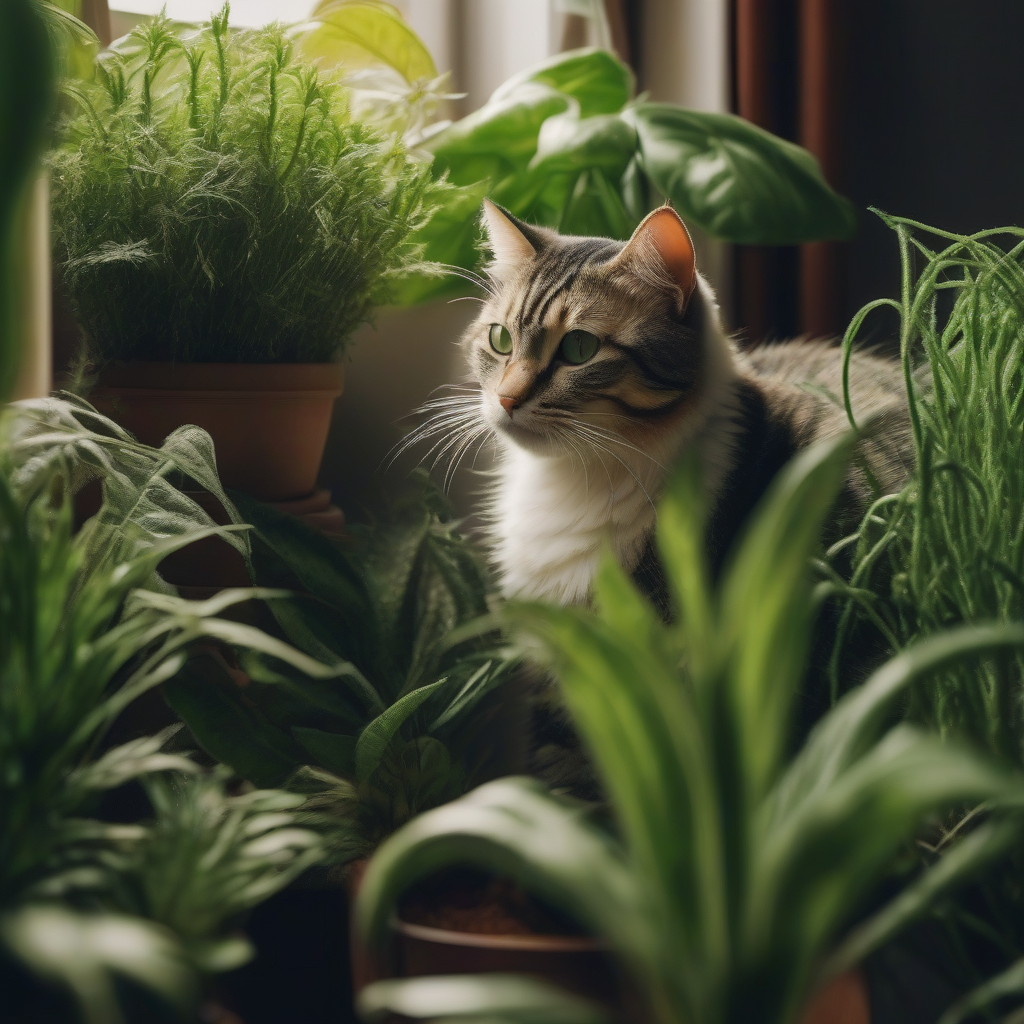
March 2026's Viral Meows: Elevate Your Cat's Mood with a 'Bio-Sensory Garden'!
March 2026 is set to witness trends that are both innovative and rich in sensory experiences for pets. One of the standout movements this year is the 'Bio-Sensory Garden' concept, designed to cater to cats' natural curiosity and sensory needs. These special areas, integrated into our furry companions' living spaces, enhance their physical and mental well-being, boosting overall happiness levels. In this guide, we'll explore step-by-step how you can create your cat's own bio-sensory garden and offer the most effective, viral scent experiences.
Why is a 'Bio-Sensory Garden' Important for Cats?
Cats are naturally highly sensitive creatures. Their sense of smell is thousands of times more acute than ours and plays the most crucial role in how they perceive their environment. A bio-sensory garden offers them a safe, stimulating, and natural environment by:
- Reducing Stress: New and rich scents help cats relax and feel secure.
- Providing Mental Stimulation: Constantly changing and natural scents trigger cats' hunting instincts, keeping them mentally active.
- Encouraging Sensory Exploration: Cats explore, learn, and interact with the world through scents.
- Supporting Natural Behaviors: It creates an environment that encourages natural behaviors like scratching, hiding, and playing.
March 2026's Viral 'Bio-Sensory Garden' Setup Secrets (In 7 Steps)
Follow these steps to create an unforgettable scent experience for your cat with a bio-sensory garden:
1. Safe and Natural Plant Selection
This is the cornerstone of a bio-sensory garden. Choosing plants that are non-toxic to cats and naturally emit pleasant scents is vital. Some popular choices for March 2026 include:
- Catnip: Remains a perennial favorite, inducing a moment of euphoria and relaxation that enlivens playtime.
- Valerian Root: Effective for some cats, similar to catnip, and can have a calming effect.
- Lavender (in small quantities): Its mild and calming scent can promote relaxation in cats. However, it should not be overused.
- Cat Grass: Aids digestion and offers a fresh, green aroma.
- Rosemary: Its fresh and robust scent can be appealing to some cats and possesses antioxidant properties.
SEO Tip: Incorporate keywords like "safe plants for cats," "scents cats love," "catnip benefits" throughout your content.
2. Create Layered Scent Zones
Design your garden to offer different levels of olfactory richness, catering to your cat's diverse scent preferences. You can provide varied scent experiences with ground-level herbs and mints, softer scents like lavender at slightly higher levels, and even hanging plant baskets.
3. Incorporate Textures and Materials
Beyond just scents, textures also enrich your cat's sensory experience. Increase the garden's textural diversity by adding different materials like wooden pieces, natural stones, soft mosses, or cotton-filled cushions.
4. Integrate Interactive Scent Toys
To keep your cat's interest consistently piqued, add toys made from natural materials that can be filled with scents like catnip or valerian. These toys will encourage your cat to explore the garden more actively.
5. Refresh and Rotate Regularly
The best way to keep cats interested is by regularly changing the scents and plants offered. Refresh a few plants each month or add different olfactory elements. This ensures the garden always remains fresh and exciting.
6. Create 'Hidden Scent Spots'
Cats love secret, quiet areas where they can explore on their own. Create 'hidden scent spots' by adding small huts, tunnels, or natural barriers in the garden's corners. These areas allow your cat to notice surrounding scents even while resting during the day.
7. Enhance with Seasonal Aromas
March marks the beginning of spring. To celebrate this season, you can use natural scents that change seasonally. For example, the light scents of freshly bloomed flowers (safe for cats) or the vibrant aromas of newly emerged green herbs will add a wonderful touch to your garden.
Additional Tips for Viral Scent Experiences
- Natural Sprays: You can lightly spray homemade or commercially available cat-friendly essential oil blends (e.g., a mix of lavender and chamomile) diluted in water onto the plants in the garden. This helps scents linger longer.
- Scent Mapping: Place scents of varying intensity in different zones to allow your cat to create a 'scent map.' This will engage them mentally.
- Sound and Scent Harmony: Combine the scent experience with natural sounds by incorporating elements like a small water feature that creates a gentle stream effect. The sound of water will complement the cat's sensory experience.
Your cat's bio-sensory garden offers them not just a play area, but a paradise for adventure and discovery. With this innovative trend of March 2026, you can enhance your furry friend's quality of life and strengthen your bond even further. Remember, your cat's happiness is your most valuable reward!