Cats A-Z: The Chausie Cat – Wild Beauty and Energetic Spirit
Are you looking for a domestic cat companion but also admire the wild and mysterious allure of nature? Then a Chausie cat might be just for you! A hybrid of the "Jungle Cat" (Felis chaus) and a domestic cat, the Chausie brings a touch of wild spirit to your home with its exotic looks, athletic build, and exceptionally intelligent, energetic personality. In this article, we will take a closer look at the fascinating world of the Chausie cat, examining every aspect from its history and character to its care and health needs in detail. At Sen YuDo Pet, we are delighted to help you understand the unique requirements of these special companions.
History and Origin
The origins of the Chausie breed lie in efforts to domesticate wildlife. In the 1960s and 1970s, particularly in Europe, some domestic cat enthusiasts began to crossbreed the Jungle Cat (Felis chaus) with domestic cats. The aim was to retain the elegant and athletic appearance of the wild cat while combining it with the affectionate and adaptable nature of the domestic cat. The formal recognition process began in the early 1990s in the United States, and The International Cat Association (TICA) accepted it with "New Breed Provisional Status" in 1995. The name Chausie itself comes from the scientific name of the Jungle Cat, Felis chaus. These cats are generally not considered fully domestic until at least F2 (second generation) or F3 (third generation), as wild instincts can be more dominant in the initial generations (F1). This generational distinction represents a crucial step in the breed's domestication process.
Physical Characteristics
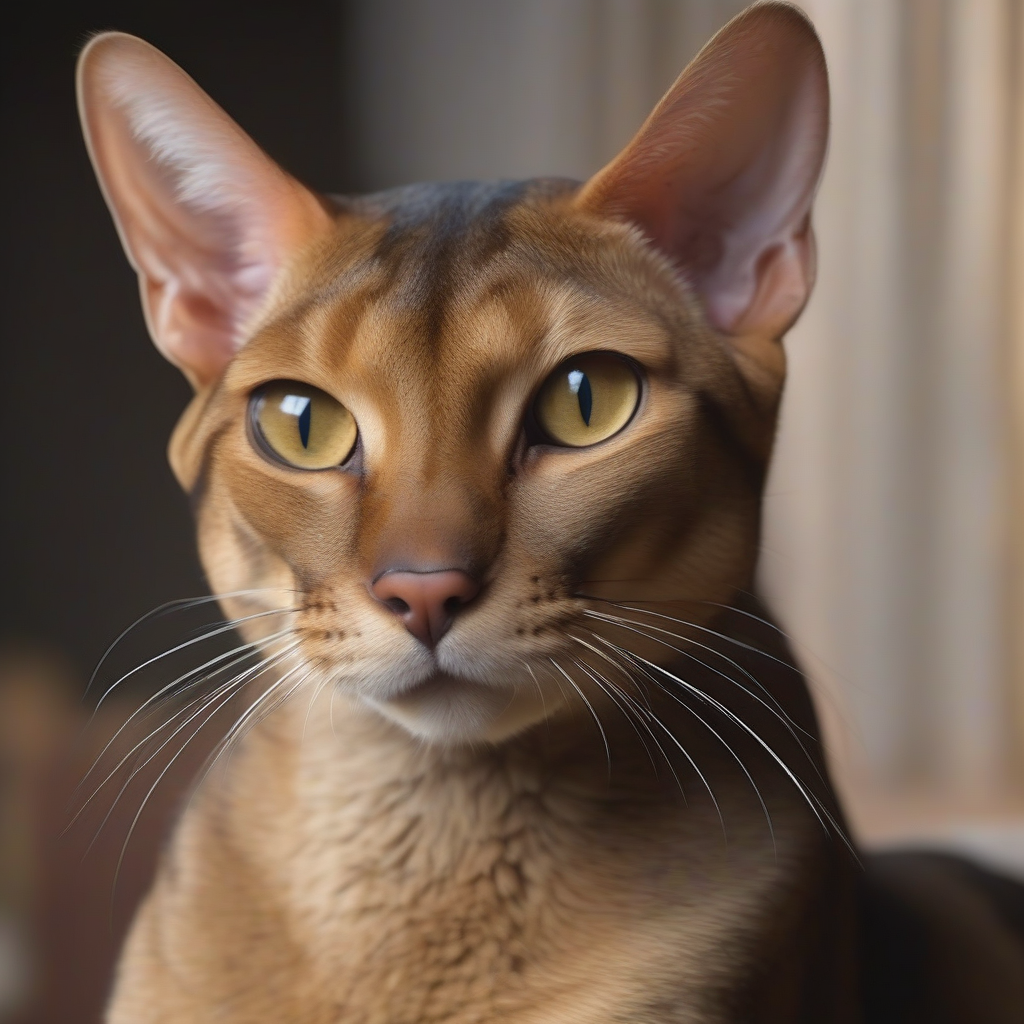
Chausie cats possess an impressive physical structure inherited from their wild ancestors. They are medium to large in size, with a long, athletic, and muscular body. Males are typically larger than females, often reaching 7 to 10 kilograms, while females usually weigh between 4 and 7 kilograms. Their heads are wedge-shaped, with high cheekbones and a strong jawline. Their ears are large and erect, sometimes featuring small tufts of hair (lynx tips) at the ends, which gives them a more wild expression. Their eyes are usually golden, green, or hazel, almond-shaped, giving their face an intelligent expression.
Their coat is short, dense, and typically features a "ticked tabby" pattern. This pattern means that each hair has multiple bands of color, giving them a natural camouflage look. There are three main color varieties: black, black grizzled ticked tabby (silver-tipped), and black ticked tabby. The texture of their fur is soft and silky, which makes grooming relatively easy. Their tails are medium in length and often black-tipped. Their overall posture is elegant and agile, an indication of their excellent hunting capabilities. Their long legs and lithe bodies distinguish them from many other domestic cats.
Temperament and Personality
Chausies stand out not only for their appearance but also for their captivating personalities. They are extremely intelligent, curious, and energetic. They are never bored at home; they love to explore new things, play, and interact with their surroundings. This makes them trainable and prone to enjoying puzzle toys. Some Chausies may even enjoy playing fetch, much like dogs.
Chausies are generally very social and bonding cats. They form strong attachments with their families and do not like to be left alone for long periods. If they are not provided with enough attention and activity, they may display restless or destructive behaviors. Rather than being lap cats, they prefer to play, accompany, and interact with their owners. They can get along well with children and other pets (especially when socialized from an early age), but due to their strong hunting instincts, it is not recommended to keep them in the same house as small rodents or birds. They can be vocal cats and may make a variety of sounds, similar to "chirping." They love to "talk" to their owners and may sometimes respond with their unique melodic meows.
Care Needs
Chausie cats have short coats, meaning their grooming needs are relatively low. Brushing once a week is usually sufficient to remove dead hair and minimize shedding. However, due to their high energy levels, their need for physical and mental stimulation is quite high.
It is vital to provide these cats with plenty of climbing areas, interactive toys, and daily play sessions to burn off their energy and keep them mentally engaged. They love to climb to high places, so cat trees and shelves are ideal for them. Some Chausies may even enjoy walking on a leash. If you live in a house with a garden, a secure and high-fenced "catio" can be a great option for them, as their jumping and climbing abilities are highly developed. Without adequate stimulation, these intelligent cats can find their own ways to entertain themselves, which might not be pleasant for household items. Additionally, routine care such as nail trimming and ear cleaning should be performed regularly.
Nutrition
As a legacy from their Jungle Cat genes, Chausie cats can sometimes have sensitive digestive systems. Therefore, it is important to feed them a high-quality, grain-free, and protein-rich diet. Some Chausies may show sensitivity to gluten or other fillers, which can lead to digestive issues. It is important to consult with your veterinarian to determine the best feeding plan suitable for your cat's age, activity level, and specific needs. High-quality wet food or a raw meat diet (with veterinary approval) is often recommended. Regular and sufficient water intake is also crucial for their overall health; therefore, they should always have access to fresh water. A water fountain can encourage them to drink more.
Health
Chausie cats are generally a robust and healthy breed. However, as with any breed, there are some genetic predispositions to be aware of. The most common concern is digestive sensitivities, particularly the risk of inflammatory bowel disease (IBD). This condition can be triggered or worsened by an inappropriate diet. Therefore, it is important to closely monitor your cat's bowel movements and overall digestive health. Regular veterinary check-ups, vaccinations, and parasite prevention treatments are essential for your Chausie to live a long and healthy life. Their average lifespan is between 12 and 15 years. Periodic check-ups are vital for early detection of potential health issues.
Who is a Chausie for?
Chausie cats are a wonderful choice for active families looking for a dynamic and interactive feline companion. They are ideal for individuals who can dedicate time, provide mental and physical stimulation, and enjoy playing. If you are often away from home for long periods or are looking for a quiet, independent cat, a Chausie might not be suitable for you. However, if you have an adventurous spirit and want to brighten your home with a wild touch, the Chausie will offer you boundless love, fun, and moments full of intelligence. Their versatility and adaptability make it possible for them to fit into various lifestyles, provided the right environment is offered.
Conclusion
The Chausie cat is truly a unique breed with its wild beauty, intelligence, and energetic temperament. They are not just pets but loyal and affectionate companions who become an integral part of their families. However, understanding and meeting the needs of this special cat is critical for it to live a happy and healthy life. At Sen YuDo Pet, we are proud to guide you on your journey with your Chausie and provide all the information you need. Remember, adopting a Chausie means adding wild joy and endless adventure to your life!