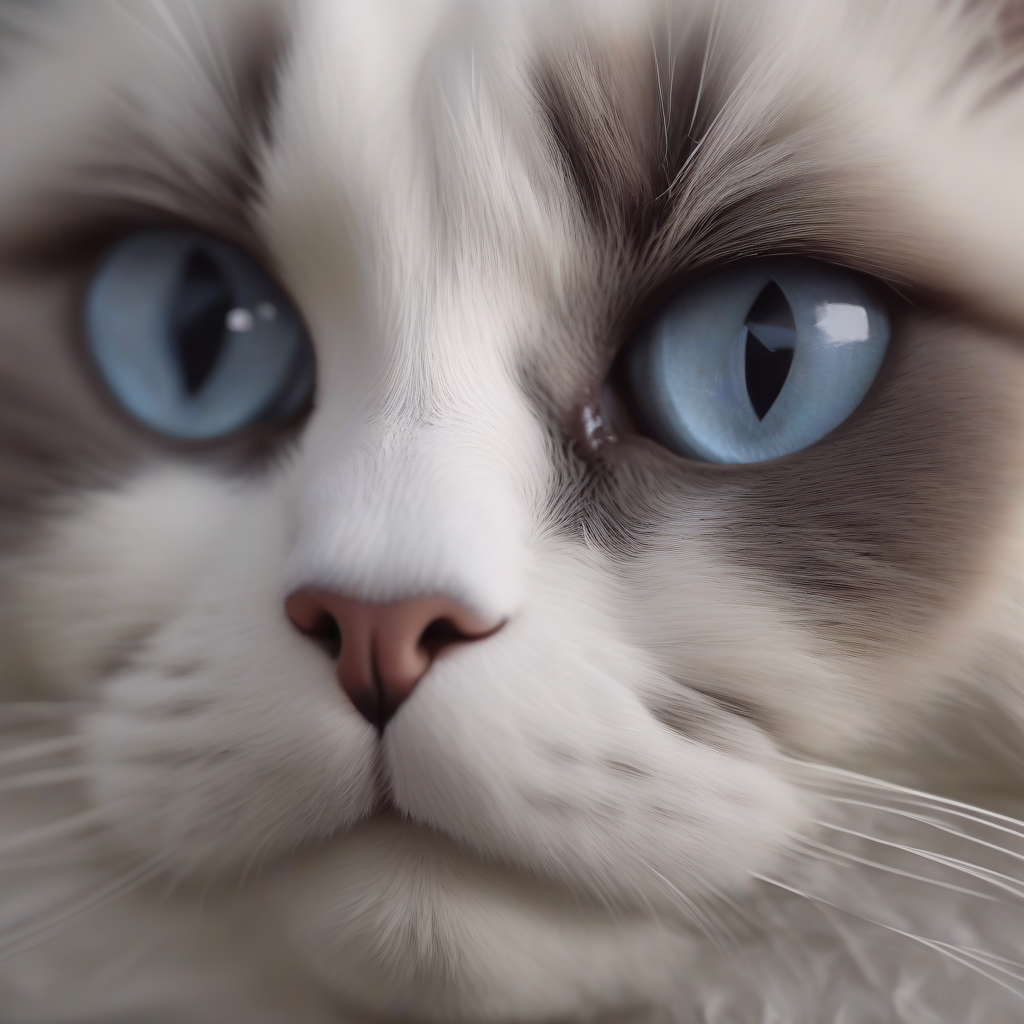
Cats A to Z: The Ragdoll Cat - A Domestic Angel
Introduction Ragdoll cats, with their striking blue eyes, silky fur, and exceptionally calm temperament, are one of the most popular and beloved cat breeds in the world. Named for their tendency to go completely limp and soft like a ragdoll when picked up, this breed is known for its devotion to its owners and its affectionate nature. In this installment of our "Cats A to Z" series from Sen YuDo Pet, we will take a closer look at the enchanting world of Ragdoll cats, detailing everything you need to know from their origins to their care, character traits, and potential health issues.
Origins and History The story of the Ragdoll breed begins in the 1960s in California with the work of a breeder named Ann Baker. The first Ragdolls are believed to have been offspring of a semi-wild, long-haired cat named Josephine. Josephine had been involved in a car accident, and the kittens born after her recovery exhibited an unusually calm and docile temperament, which caught Baker's attention. Believing these kittens possessed a special genetic mutation, Baker initiated her own selective breeding program, strengthening the unique characteristics of these cats. Baker registered the name "Ragdoll" as a trademark and played a significant role in the breed's development. However, the breed's standards and popularity evolved to their current state with the contributions of other breeders later on. Its recognition by international cat associations accelerated in the 1990s.
Physical Characteristics Ragdolls are medium to large-sized cats, with males generally being larger than females. They typically reach their full development between three to four years of age.
- Body: They possess a muscular, long, and robust build. They have a broad chest and short, strong legs. Their hind legs are slightly longer than their front legs, giving them a slight upward incline.
- Head: Medium in size, wedge-shaped with a flat top. The distance between their eyes is wide.
- Eyes: One of the most striking features of Ragdolls is their deep, clear, oval-shaped blue eyes. All Ragdolls have blue eyes; this is a distinguishing characteristic of the breed.
- Ears: Medium in size, broad at the base, and slightly rounded at the tips. They may have tufts of fur inside their ears.
- Coat: Semi-long, silky, and dense. The undercoat is not extensively developed, which reduces matting. They shed at a moderate rate. They have longer fur around their neck, forming a "ruff," and "breeches" on their hind legs.
- Color Patterns: Ragdolls are colorpoint cats, meaning they have darker coloration on the cooler parts of their body (ears, face, paws, and tail). Kittens are born entirely white, and their colors develop within the first few weeks, taking several years to fully mature. The main color patterns include:
- Colorpoint: The classic pattern, with dark points and a lighter body.
- Mitted: Similar to colorpoint, but with white "mitts" on the front paws and white "boots" on the back legs. The chin is usually white.
- Bicolor: Features a white inverted V-shape on their face, chest, and belly. Their paws and legs are also typically white.
- Lynx (Tabby) Point: In addition to the classic colorpoint pattern, striped (tabby) patterns are present on the points.
- Tortie Point: Displays tortoiseshell patterns on the points.
Character and Temperament Ragdolls are often referred to as "dog-like cats" because they may follow their owners around the house, greet them at the door, and sometimes even play fetch. Their most notable characteristics include:
- Docile and Calm: They are incredibly gentle, patient, and docile. They typically remain calm even in stressful situations.
- Affectionate and Devoted: They show deep love and devotion to their owners. They enjoy being picked up and petted, often known as "lap cats."
- Good with Children and Other Pets: Thanks to their calm and gentle nature, they are an excellent choice for families with children and households with other pets. They are not prone to rough play or scratching.
- Playful: While intelligent and curious, they are not overly energetic. They enjoy playing with puzzle toys and interactive toys.
- Quiet: They are generally not very vocal cats; their meows are soft and pleasant. They usually express their needs through gentle sounds or body language.
Care Ragdoll cats are generally easy to care for, but they require regular attention to stay healthy and happy.
- Grooming: Their semi-long fur, due to the minimal undercoat, is not highly prone to matting or tangling. Brushing them two to three times a week with a soft brush or comb is sufficient to remove dead hair, prevent tangles, and control shedding. Regular grooming also helps reduce the formation of hairballs.
- Nutrition: It is important to feed them high-quality cat food. Formulas appropriate for their age, activity level, and overall health condition should be chosen. Portion control is essential as they can be prone to weight gain. They should always have access to fresh, clean water.
- Dental and Nail Care: Regular brushing of their teeth helps prevent gum disease. Weekly or bi-weekly nail trimming is also necessary.
- Litter Box Hygiene: Regular cleaning of the litter box is crucial for the cat's hygiene and health.
- Veterinary Check-ups: Annual veterinary check-ups, vaccinations, and parasite prevention treatments should not be neglected.
Health Issues While Ragdolls are generally a healthy breed, like other purebred cats, they can be predisposed to certain genetic conditions:
- Hypertrophic Cardiomyopathy (HCM): This is the most common heart disease in cats, characterized by a thickening of the heart muscle. Early diagnosis through genetic testing and regular veterinary check-ups is important.
- Polycystic Kidney Disease (PKD): A genetic disease characterized by the formation of cysts in the kidneys.
- Urinary Tract Stones: Some Ragdolls may be prone to urinary system issues such as bladder or kidney stones.
Responsible breeders take care to produce healthy kittens by testing for such genetic diseases. When adopting a kitten, it is important to inquire about the breeder's health history and test results.
Who is a Ragdoll Cat Suitable For? Ragdolls are a wonderful choice for anyone seeking a calm and affectionate cat. They are particularly ideal for the following individuals and families:
- Families with Children: Their gentle and patient nature makes them excellent companions for children.
- Those with Other Pets: They easily get along with dogs and other cats.
- Those who Spend a Lot of Time at Home: Being devoted to their owners, they do not like to be left alone for long periods. They are great for people who spend regular time at home or work from home.
- Apartment Living: As they are not overly energetic, they adapt easily to apartment life. However, mental stimulation and play opportunities should be provided.
Conclusion Ragdoll cats are extraordinary creatures that capture hearts not only with their striking beauty but also with their charming personalities. These affectionate friends, who fully live up to their "ragdoll" nickname, promise a warm, furry, and loyal companion for those seeking a pet. With proper care and love, a Ragdoll cat will become an indispensable member of your family and bring joy into your life. As Sen YuDo Pet, we recommend all cat lovers get to know this magnificent breed more closely!