March 2026's Viral Observation: Your Cat's Mysterious Dance with Water! 7 Smart Ways to Decode and Enjoy Your Feline Friend's Relationship with Water!
Cats and water... This duo has been at the forefront of a mysterious relationship spanning centuries. On one hand, there are furry friends who avoid even touching water, disappearing at the mere mention of a bath; on the other, there are tiny water explorers who watch dripping faucets for hours, or even enjoy playing in the bathtub. In this spring air of March 2026, we are taking a closer look at this complex yet fascinating dance between cats and water, and sharing 7 smart methods to help your furry friend establish a healthier, more positive interaction with water. Understanding and making your cat's relationship with water enjoyable can be far more critical for their overall health and happiness than you might imagine. Ready? Let's begin to unravel your cat's water secrets!
Cats and the Origin of Water: An Instinctive Contradiction?
Cats' general aloofness towards water stems from the lifestyle of their ancestors before domestication. This is an observation also supported by scientific evidence.
Historical Background: Desert Animals?
Domestic cats' ancestors typically originated from the desert regions of the Middle East. In these areas, water sources were scarce, and stagnant water often harbored bacteria and parasites. Therefore, approaching water cautiously and quenching thirst from hunted animals was part of their survival strategy. This instinctive tendency persists in today's cats.
The Role of Scent: Perception of Contamination
Cats' sense of smell is incredibly developed. Compared to running water, tap water or water sitting in a bowl might carry a 'contamination' scent for cats. This smell can deter them from water. Additionally, wet fur can alter their natural scent, increasing the risk of detection by predators or other cats, which is instinctively undesirable for them.
Sense of Control: Wetness and Weight
Wet fur can be heavy and uncomfortable for cats. Staying dry is crucial for maintaining their hunting abilities and regulating their body temperature. Being submerged in water restricts a cat's freedom of movement and causes them to lose their sense of control, leading to stress and fear.
Water's Mysterious Allure: Why Do Some Cats Love It?
Not every cat is the same, and genetic predispositions, as well as early life experiences, can shape these behaviors. Some cats may be quite curious about or even fond of water.
Interest in Running Water: Hunter's Instinct and Clarity
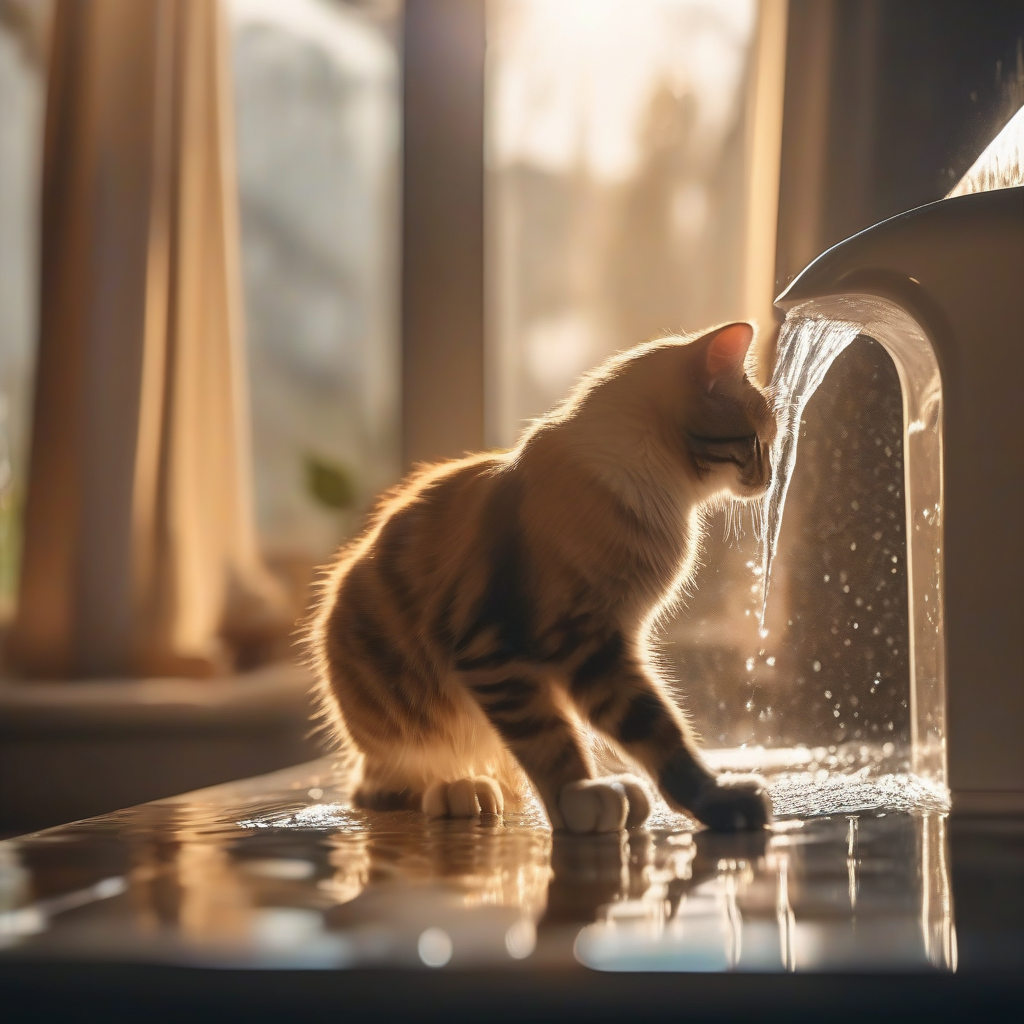
Many cats show intense interest in water flowing from a tap or bubbling from a pet fountain. Running water is perceived as fresher and safer than stagnant water. Moreover, the movement of water can trigger their hunter's instinct, causing them to see it as a 'toy' or 'potential prey.' Reflections and motion on the water's surface capture their attention.
Play and Exploration: Curious Paws
Especially young and adventurous cats may discover playing with water. Dipping their paws into water, splashing, or chasing water droplets can be an enjoyable activity for them. This is an extension of their natural curiosity and desire to explore.
Temperature Regulation: Water for Cooling Down
In warm weather, some cats may be attracted to water for cooling purposes. Wetting their paws or lying on a damp surface can help them lower their body temperature. This behavior is particularly observed in cats with thick fur or during the summer months.
7 Smart Ways to Overcome Your Cat's Water Phobia and Create Positive Experiences:
Here are viral and effective methods you can apply to help your cat be more at peace and happier with water:
1. Water Bowl Strategy: Variety and Proper Placement
To improve your cat's drinking habits, place multiple water bowls in different, quiet, and safe areas of your home. Experiment with various materials like ceramic, glass, or stainless steel, as some cats may be sensitive to the smell or taste of plastic. Choose wide, shallow bowls so their whiskers don't touch the water; this is uncomfortable for many cats.
2. Moving Water Sources: Engage Their Instincts
Capitalize on your cat's natural interest in running water. Pet fountains, designed for animals, filter the water and keep it fresh and flowing. These fountains trigger your cat's hunting instinct and make drinking water more appealing. Running water is perceived as safer and tastier than stagnant water.
3. Fun Water Games: Creative and Safe Interactions
Help your cat have positive experiences with water. Put a little water in a small bowl and add floating toys, ping-pong balls, or even ice cubes. Allow your cat to explore the water with their paws. Under supervision, letting them chase a thin stream of water from a tap can also be fun. However, keep these games short and enjoyable, and never force your cat.
4. Positive Reinforcement: Reward Every Positive Contact
When your cat interacts positively with water (drinks, plays with it), reward them immediately. Their favorite treat or a gentle stroke will help them form a positive association with water. This ensures your cat codes water-related experiences as 'good and rewarding.'
5. Transforming the Bath Experience: Slow and Calm Beginnings
If your cat needs a bath, make the experience as stress-free as possible. Use lukewarm water and place a non-slip mat at the bottom of the tub. Gradually acclimate your cat to the water, never forcing them. Reassure them with soothing words and treats. Only wash their body, wiping their face with a damp cloth. After the bath, dry them immediately and keep them warm.
6. Calm Approach if Water Phobic: Never Force It
If your cat has a pronounced phobia of water, never force them into water or get them wet. This will only increase their fear. Instead, focus on creating positive associations with water. Take time and patience to turn water from a threat into something neutral or fun. Provide a safe environment.
7. Veterinary Consultation: Professional Help for Abnormal Behaviors
For sudden significant changes in your cat's water consumption (excessive drinking or not drinking at all), or for persistent and severe phobic reactions to water, consult a veterinarian. Such situations may indicate underlying health issues or behavioral problems and may require professional intervention.
Understanding and respecting your cat's unique relationship with water is one of the most crucial steps you can take for their overall health and happiness. With these 7 smart methods, you can strengthen your furry friend's bond with water, encouraging them to live a happier and healthier life. Remember, every cat is an individual, and with patience, love, and the right approach, you can turn your cat's dance with water into a joyful melody!