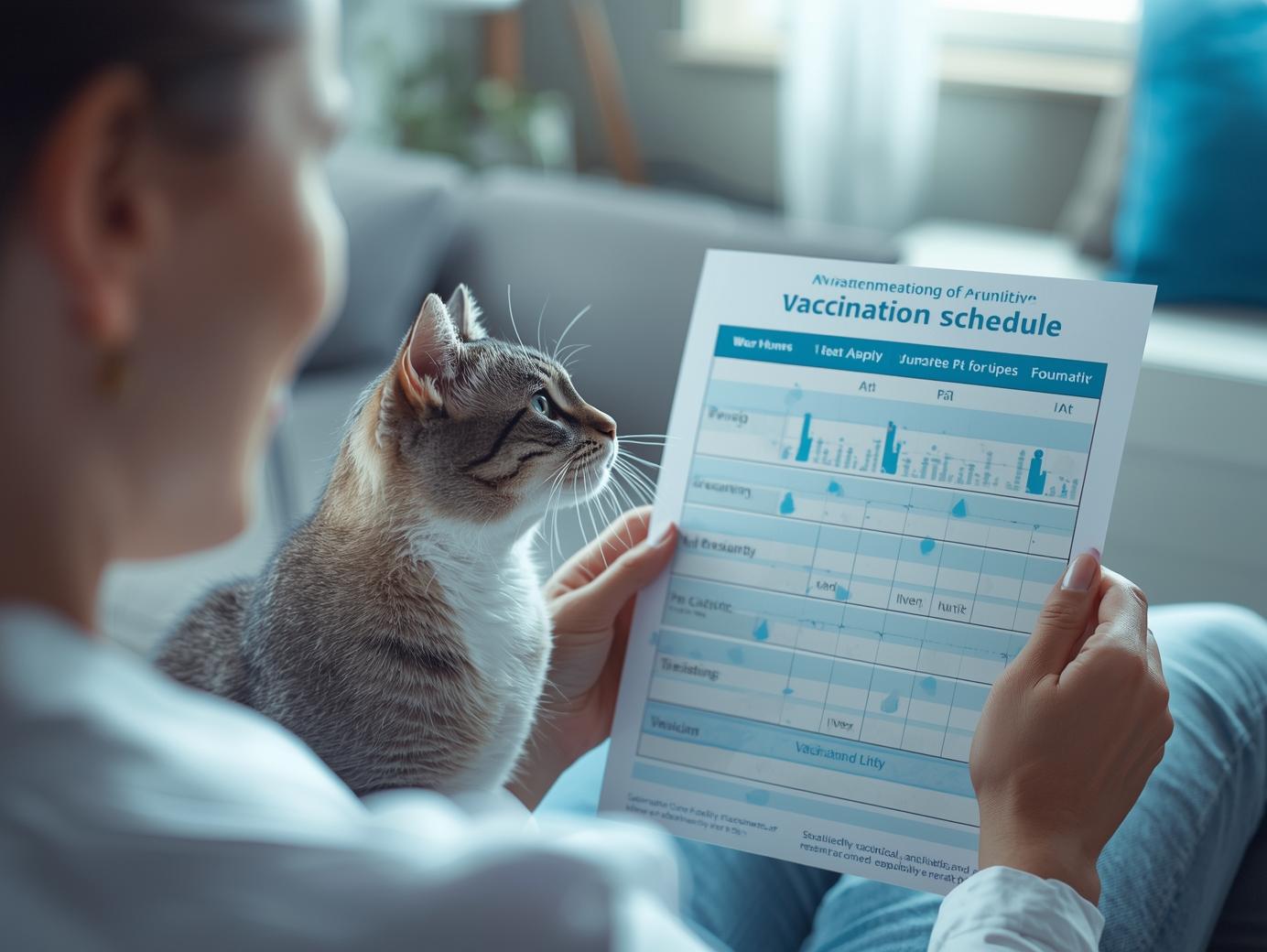
Vaccination Schedule and Importance in Cats
Vaccines play a key role in protecting your cat from contagious and fatal diseases. With a correct and complete vaccination schedule, your cat's immune system is strengthened, and both its own health and public health are protected.
Basic Vaccines and Their Scope
- Combined vaccine (FVRCP): Provides protection against fatal diseases such as Feline viral rhinotracheitis, calicivirus, and panleukopenia.
- Rabies vaccine: Mandatory for both your cat's and human health. Rabies is a fatal and contagious disease.
- Leukemia (FeLV) vaccine: Recommended especially for cats that go out or have contact with other cats.
Vaccination Schedule in Kittens and Adult Cats
- Kittens:
- First vaccines start when they are 6-8 weeks old.
- Repeat doses are made with 3-4 week intervals (combined, leukemia, rabies).
- Basic vaccines are completed until they are 16 weeks old.
- Adult cats:
- Repeat doses are required annually or every three years (varies according to vaccine type).
- Basic vaccines are repeated in adults whose vaccine history is unknown.
Things to Consider After Vaccine
- There may be mild swelling, redness, or sensitivity in the area where the vaccine was made.
- Rarely weakness, loss of appetite, or mild fever can be seen.
- Allow your cat to rest for 1-2 days after the vaccine.
- Consult your veterinarian in case of severe reaction or symptoms lasting longer than 48 hours.
Frequently Asked Questions
Why are vaccines repeated?
- Repeat doses are necessary for the immune system to remain strong and for the continuation of protection.
Are vaccines expensive?
- In the long run, vaccines are much more economical than disease treatment.
What happens if I miss the vaccination schedule?
- Apply to your veterinarian as soon as possible and update the schedule.
> Remember: Vaccines are indispensable for your cat to be healthy and long-lived. Apply the schedule without interruption and stay in contact with your veterinarian.