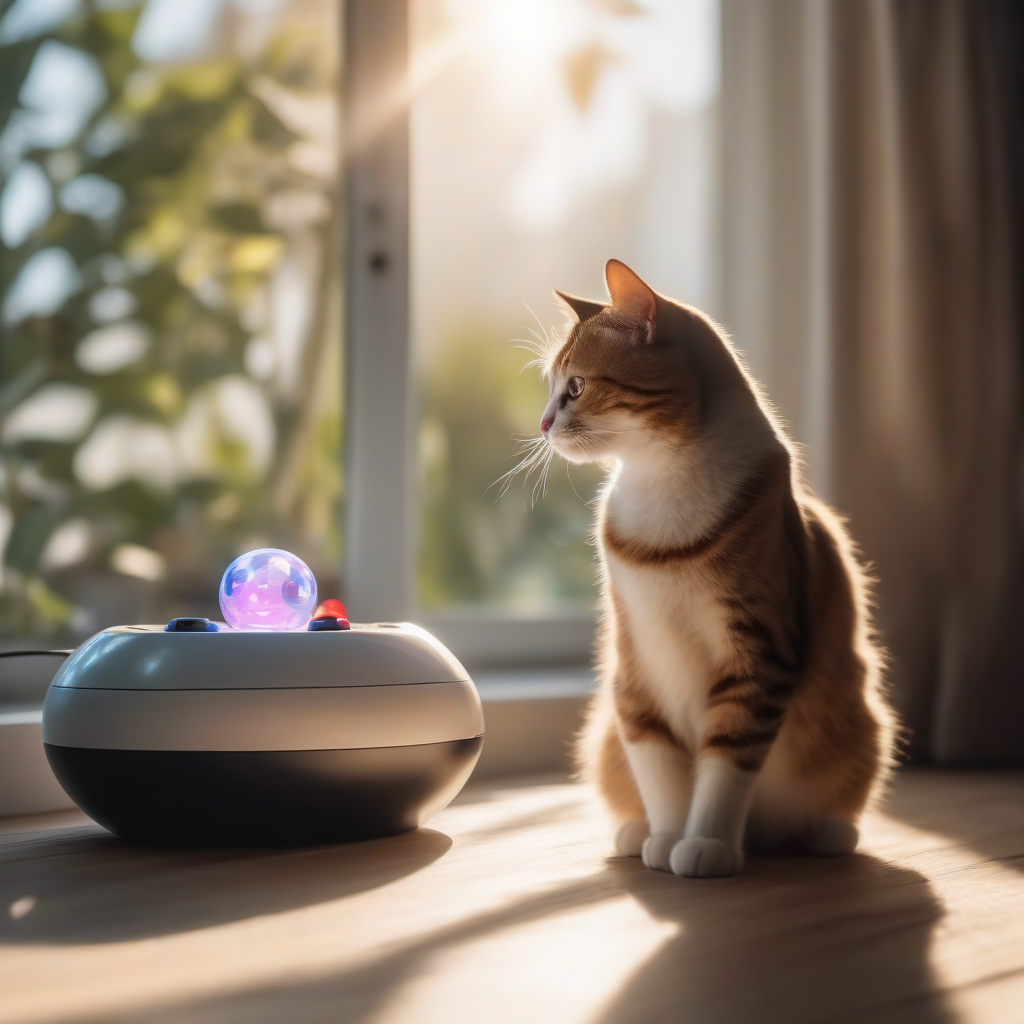
The Art of Solo Living for Your Cat: March 2026's Viral Guide – Smart Solutions to Reduce Stress and Turn Loneliness into Fun!
As of March 2026, we, as pet parents, are more focused than ever on the mental and emotional well-being of our furry friends, not just their physical health. Especially with the arrival of spring, increased travel, social activities, and changing daily routines can inevitably extend the time our cats spend alone at home. This situation can lead to separation anxiety and stress in some cats, while in others, it manifests as boredom and restlessness. So, how can we make your cat's solo time at home more enjoyable and stress-free with March 2026's latest trends and viral solutions?
In this guide, you'll discover many innovative methods, from smart technologies to home enrichment strategies, designed to reduce your cat's loneliness stress and provide mental and physical stimulation.
Why Do Cats Get Stressed When Left Alone?
While cats are often perceived as independent animals, they can form strong bonds with humans. Stress experienced in the owner's absence can manifest in various ways.
Feline Psychology and Separation Anxiety
Separation anxiety in cats, though less common than in dogs, can occur in certain situations. When you leave home, you might observe excessive meowing, destructive behavior, inappropriate urination, loss of appetite, or excessive grooming. These behaviors are signs that your cat is struggling to cope with being alone. Cats, especially those sensitive to routine changes, may react to the new arrangements brought by spring.
The Impact of Changing Routines (Spring and Holiday Season)
March is the month of awakening from winter and new beginnings. For humans, the desire to go out more, holiday plans, and increased social engagements can lead to disruptions in cats' daily feeding, play, and attention routines. Cats thrive on predictable routines, and sudden changes in these routines can become a significant stressor for them.
March 2026's Viral Solutions: Conquering Loneliness with Smart Technology
The advancement of technology makes life easier for pet parents, while also offering groundbreaking solutions to alleviate our cats' loneliness.
Smart Interactive Cameras and Two-Way Audio Systems
One of March 2026's most popular "loneliness buster" tools is advanced smart interactive pet cameras. Now, you can not only watch your cat remotely but also talk to them through two-way audio systems, and even dispense treats with some models. These AI-powered cameras can analyze your cat's movements and sounds, notifying you of potential stress signs or automatically initiating play mode. This provides peace of mind for owners and offers remote social interaction for cats.
Programmable Smart Feeders and Water Fountains
Your cat's feeding routine should remain consistent when they are alone. Smart feeders dispense pre-set amounts of food at specific times, ensuring your cat doesn't go hungry. Furthermore, some models include puzzle games that encourage cats to "work" for their food, providing mental stimulation. Water fountains guarantee your cat always has access to fresh, running water, which encourages them to drink more and supports their hydration. This duo addresses your cat's basic needs while also offering mental engagement.
Automatic Lasers and Interactive Toys
Another viral solution in March 2026 is motion-sensor and app-controlled automatic lasers and interactive toys. These toys automatically activate when your cat gets bored, or you can control them remotely from your phone. Lasers, in particular, stimulate their predatory instincts, keeping your cat engaged and physically active for extended periods. However, it's crucial to always end laser play with a "catchable" reward (like a treat) to prevent frustration.
Enriching the Home Environment: Physical and Mental Stimulation
Beyond technology, arranging your cat's home environment to keep them engaged during solo time is of paramount importance.
Utilizing Vertical Spaces: Cat Trees and Wall Shelf Systems
Cats, by nature, love to climb to high places and observe their surroundings. When left alone at home, vertical spaces offer them both a sense of security and new "territories" to explore. Tall cat trees, scratching posts, and wall-mounted shelf systems are ideal areas where your cat can expend energy, rest, and watch the outside world from a safe vantage point. This breaks the monotony of the home and contributes to your cat's mental well-being.
Hide-and-Seek Play Areas and Tunnels
Cats have strong instincts for hiding and exploration. When left alone, accessible cardboard boxes, tunnels, enclosed beds, or small tents provide them with safe havens and fun play areas. These spaces help your cat feel secure while also encouraging mental engagement. Hiding treats or toys inside can increase their motivation to explore.
Scent Enrichment: Safe Feline Pheromone Diffusers
Cats have a highly developed sense of smell, which plays a crucial role in how they interact with their environment. To cope with loneliness stress, safe feline pheromone diffusers can be used. These diffusers release synthetic versions of calming pheromones naturally produced by cats, creating a relaxing atmosphere at home. Catnip sprays or toys can also attract your cat's interest and keep them occupied for a while, but pheromones can provide a more sustained and general sense of calm.
The Power of Routines: What to Do Before and After You Leave Home
The most crucial factor supporting technology and environmental arrangements is consistent and loving routines.
Departure Routines: Calming Techniques for Your Cat
Playing a calm game or giving your cat some attention a short while before you leave can help reduce separation anxiety. Avoiding long goodbyes and leaving in a routine manner helps prevent your cat from dramatizing the situation. Leaving them with puzzle toys or a new toy can help distract them.
Return Routines: Reconnecting
When you return home, instead of immediately giving your cat excessive attention, first take care of your own tasks, then calmly engage with them. This prevents your cat from forming an extreme correlation between your absence and your return. A few minutes later, show them affection, play, or offer treats.
Preparing for Unexpected Absences (Short Practice Departures)
If you plan to be away from home for a long time, gradually accustom your cat to it with short practice departures beforehand. Start with absences of 15-30 minutes and gradually increase the duration. This helps your cat learn that they are safe at home in your absence and that you will always return.
When Is Professional Help Necessary?
If you observe extreme signs of stress in your cat and the methods above are not sufficient, seeking professional help is important.
Expert Opinion and Behavior Specialists
Your veterinarian can check if there's an underlying medical reason for your cat's stress. Behavior specialists can offer tailored strategies and training techniques to help your cat cope with separation anxiety. Thanks to the popularity of tele-veterinary services in March 2026, consulting experts from the comfort of your home is also much easier.
Conclusion
In March 2026, transforming your cat's solo living experience is possible through a combination of love, care, and smart solutions. Utilizing smart technologies for remote interaction, enriching the home environment for mental stimulation, and establishing consistent routines will ensure your furry friend remains happy, safe, and stress-free even when left alone. Understanding your cat's individual needs and creating a personalized "art of solo living" program will further strengthen your bond.