March 2026 Trend: The 'Slow Paw' Movement for Your Cat – Forge a Deeper Bond with Your Feline Friend!
In today's rapidly changing and digitized world, people are increasingly drawn to the philosophy of 'slow living.' This philosophy aims to move away from consumerism, live in the moment, make conscious choices, and slow down life's pace. So, how can this trend be applied to our furry friends, cats? The 'Slow Paw' movement, a rising trend in March 2026, suggests that our cats can also benefit from this conscious living philosophy. Discover ways to build a deeper, more meaningful bond with your cat by respecting their natural rhythm.
A Breath in the Age of Speed: What is the 'Slow Paw' Movement?
"The 'Slow Paw' movement is an adaptation of the 'slow living' philosophy for human beings, applied to our pets. It's not just about slowing down; it's also about focusing more attentively on your cat's needs, enjoying the present moment, and enhancing their quality of life. The fast pace and constant stimuli of the digital age can affect not only us but also our cats. The 'Slow Paw' movement aims to move away from this overstimulation, allowing your cat to return to their natural instincts and rhythm. The goal is to support your cat's physical and mental health with fewer possessions, less clutter, and more quality time.
Mindful Nutrition: Love and Health in Every Bite
Nutrition is one of the cornerstones of the 'Slow Paw' movement. It's essential to understand deeply what your cat eats, how they eat, and how this impacts their overall health. Moving away from fast consumption and overly processed foods can help your cat live a long and healthy life.
Focus on Quality: Beyond Industrial Cat Foods
The 'Slow Paw' philosophy prioritizes quality and naturalness in your cat's diet. This means moving beyond highly processed industrial foods and opting for fresh, nutrient-dense ingredients, preferably sourced locally. Raw meat diets, high-protein and grain-free foods, or fresh meals prepared at home with veterinary approval are a crucial part of this trend. The goal is to provide a species-appropriate, natural diet for your cat. It's important to read ingredient lists and be conscious of additives and preservatives.
Portion Control and Slow Feeding: Supporting Digestive Health
Adopting slow feeding methods is an important pillar of the 'Slow Paw' movement, preventing your cat from eating too quickly and supporting their digestive system. Slow feeder bowls, puzzle feeders, or food-dispensing toys encourage your cat to consume their food at a more leisurely pace. This prevents overeating, reduces stomach upset, and satisfies their natural foraging instincts. It also provides mental stimulation by turning each meal into an activity.
Sustainable and Minimalist Living Spaces
The environment your cat lives in should reflect their inner peace and natural behaviors, which is central to the 'Slow Paw' movement. Creating a calm and organized space, free from excessive clutter, helps your cat feel more secure and happy.
Fewer But Better Toys: Quality, Durable, Natural Materials
Embrace the principle of 'less is more' when choosing toys. Instead of hundreds of plastic toys on the market, opt for a few high-quality toys made from durable, natural materials (wood, cotton, feathers) that will engage your cat. These toys are not only more long-lasting but also reduce the risk of containing harmful chemicals. You can keep your cat's interest alive by regularly rotating toys or putting them away and reintroducing them at intervals.
Calm and Tidy Environment: A Sanctuary Away from Overstimulation
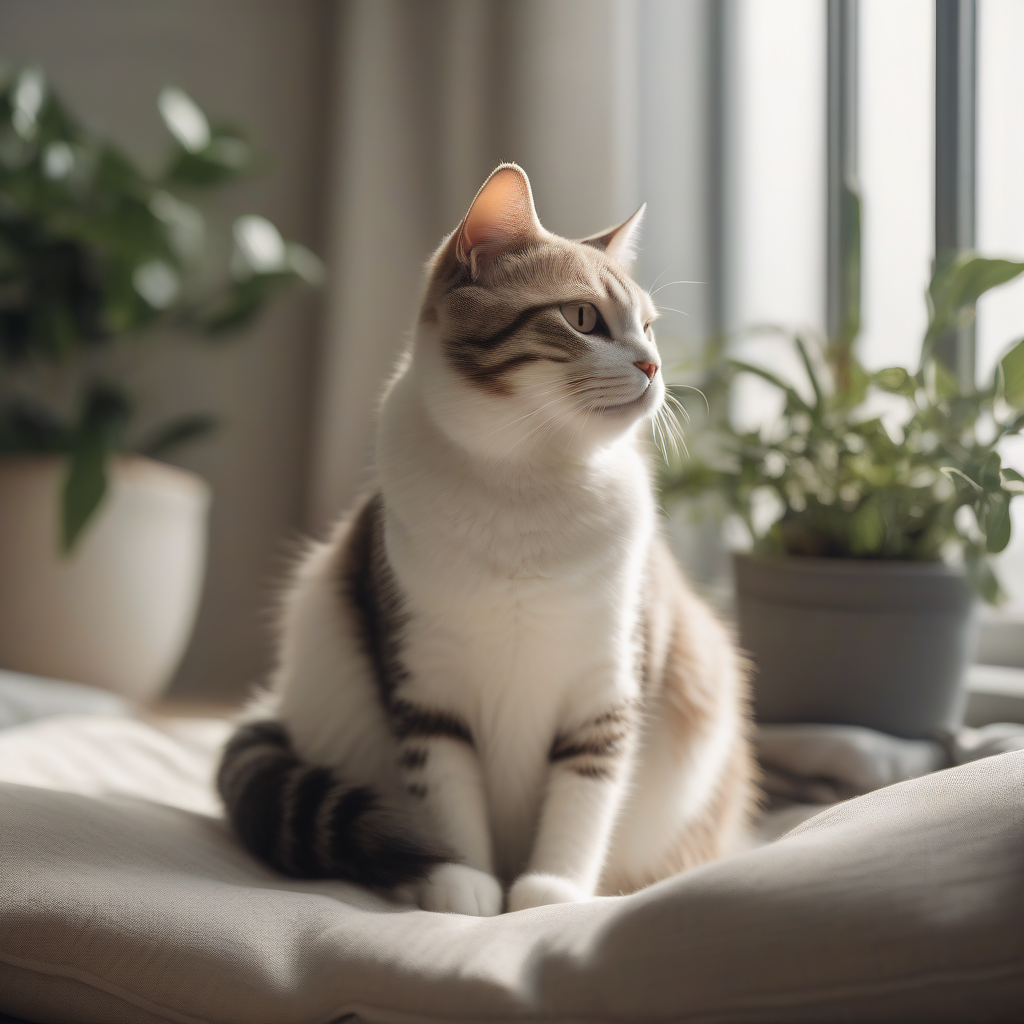
Transform your cat's living space into a sanctuary that aligns with their natural rhythm, free from excessive stimulation. Avoid too many colorful lights, loud electronic devices, or constantly changing objects. Create calm corners with natural light. Provide opportunities for climbing to high places, observation points, and comfortable sleeping areas to make your cat feel secure. Regular cleaning and ventilation also play an important role.
Quality Interaction: Live in the Moment
In the 'Slow Paw' movement, the quality of time you spend with your cat is more important than the quantity. By stepping away from your phone, enjoying the moment, and truly listening to what your cat is trying to tell you, you can build a deeper bond with them.
Mindful Play Sessions: Cat-Led Fun
Playtime is one of the most enjoyable ways to connect with your cat. During this process, follow your cat's lead. Observe which toys they respond to, when they want to stop, or what kind of hunting simulation they prefer. Put your phone aside and just live in that moment. Instead of fast-paced games like laser pointers, focus on slower, more satisfying games that mimic real hunting experiences with interactive toys like feather wands or strings.
Gentle Touches and Silent Connection: Stress-Reducing Rituals
Physical contact with your cat should also be conscious. Gentle petting, soft brushing sessions, or cat massage techniques can reduce stress for both you and your cat. Read your cat's body language; understand where and how they enjoy being touched. Sometimes, simply sitting quietly beside them can be enough to establish a deep bond. These silent moments reinforce mutual trust and a sense of peace.
Shared Moments of Silence: Simply Being Present
Sometimes, the best thing to do with your cat is nothing at all. Sitting quietly with them in the same room, reading a book, or just enjoying the view, forms the foundation of a strong bond. These moments allow your cat to feel secure in your presence and provide them with a peaceful environment.
Holistic Approach to Health
The 'Slow Paw' movement encourages a holistic approach to your cat's health, considering not only physical but also mental and emotional well-being.
Regular Vet Check-ups: The Importance of Preventive Care
As a conscious cat parent, you should never neglect regular veterinary check-ups. Preventive care and early diagnosis before illnesses emerge are critically important for your cat to live a long and healthy life. Discuss your cat's diet, activity levels, and general behavior in detail with your veterinarian.
Stress Management and Routine Establishment
Cats are creatures of habit. Regular feeding times, play times, and sleep schedules reduce your cat's stress levels and provide a sense of security. Ensure your cat is more peaceful by avoiding sudden changes or introducing changes slowly and gradually.
Connection with Nature: Fresh Air and Safe Outdoor Spaces
Allowing your cat to connect with nature is beneficial for their mental and physical health. Safely enclosed balconies, gardens, or cat patios allow your cat to get fresh air and observe the outside world securely. This satisfies their natural curiosity and allows them to exhibit instinctual behaviors.
A Happier Cat, A More Peaceful Home with the 'Slow Paw' Movement
This meaningful trend of March 2026 offers us an opportunity to re-evaluate our relationship with our cats. By moving away from speed and consumerism, you can enhance both your and your cat's quality of life through conscious nutrition, minimalist living spaces, quality interaction, and a holistic approach to health. Embrace the 'Slow Paw' movement to strengthen the bond with your feline friend and offer them a peaceful life aligned with their natural rhythm. Remember, the most valuable things are time and the moments you spend together.