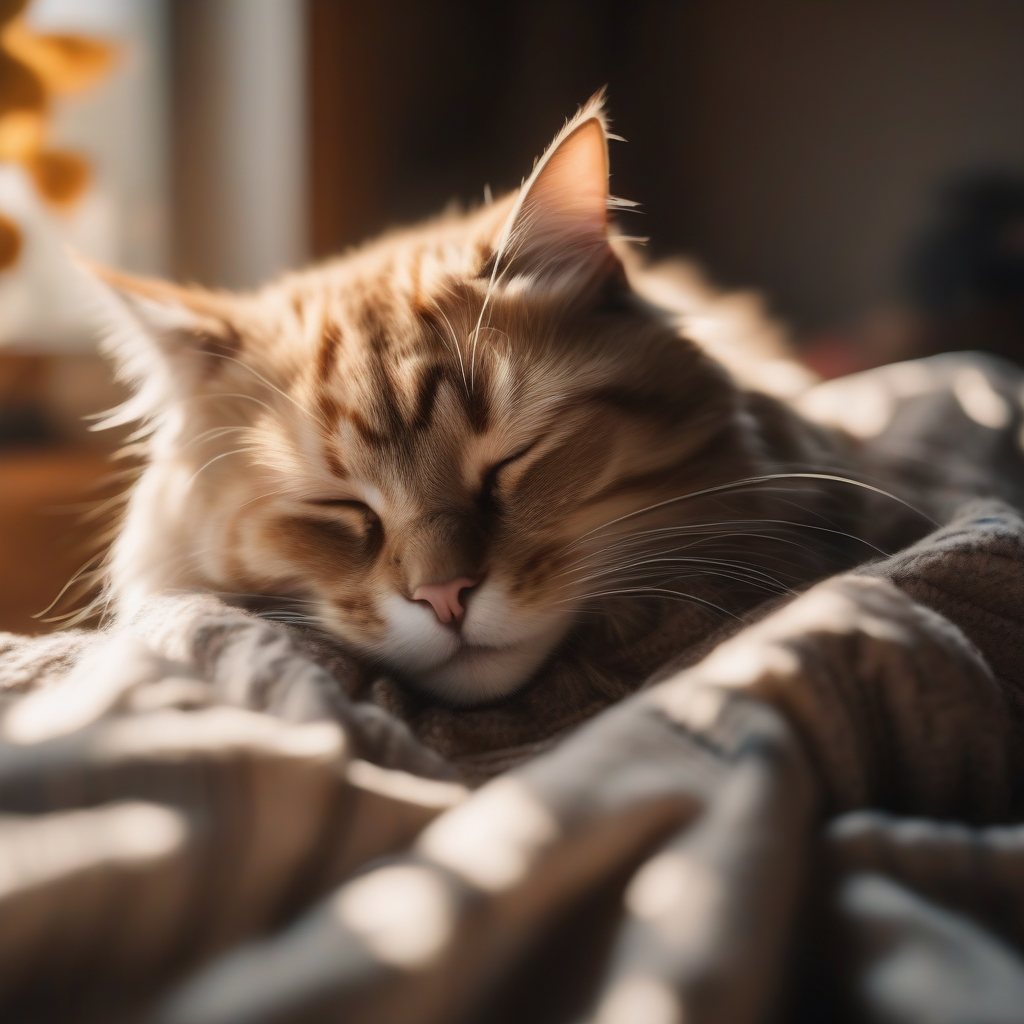
March 2026's Viral Observation: The Mysterious Sleep World of Your Cat! 7 Smart Ways to Ensure Your Feline Friend's Deep Dreams and Healthy Rest!
As we enter March 2026, as modern pet parents, we strive to understand every movement, every purr, and even every sleep position of our furry companions more deeply. Cats, basking in the sun by the window during the day and silently gliding through home corridors at night, dedicate a significant portion of their lives to sleep. But is this rest merely a sign of laziness, or are there scientific truths behind it that are vital for your cat's health and well-being? In this article, we will open the doors to the world of cat sleep, try to understand their deep dreams, and discover 7 smart ways to create the most ideal resting environment for your furry friend.
Why Do Cats Sleep So Much? A Scientific Perspective
The fact that cats spend a large part of their daily lives sleeping can sometimes surprise us. An average cat can sleep 12 to 16 hours a day, and some can even rest for up to 20 hours. The root of this habit lies in their evolutionary history and biological structure.
Evolutionary Legacy: Hunter Instinct and Energy Conservation
Cats are inherently predators. In the wild, they need high energy levels to hunt and survive. The act of hunting involves intense physical exertion such as stalking, chasing, pouncing, and catching prey. To balance this effort and store energy for the next hunt, cats prefer to sleep for long periods. This deep rest allows them to regain energy, repair their muscles, and mentally refresh themselves. Even in domestic cats, this instinctive behavior continues, as their genetic code still carries their hunter ancestors.
Sleep Stages: From Deep Dreams to Light Naps
Like humans, cats also have sleep cycles. Cats cycle between deep sleep (REM and NREM) and light sleep (napping). Typically, they start with short, light naps. In this phase, their ears and whiskers are highly sensitive to environmental sounds or movements, allowing them to react quickly in case of sudden danger. Although they may appear awake, they are actually resting.
When they enter deep sleep, their muscles completely relax, their breathing slows, and even signs of dreaming (paw twitching, whisker movements) can be observed. REM sleep is critical for a cat's learning and memory consolidation. This complex sleep structure not only ensures their rest but also helps regulate brain functions and process information acquired during the day.
Effects of Sleep Quality on Your Cat's Health
Your cat's sleep quality has a direct impact on their overall health, mood, and quality of life. Insufficient or poor-quality sleep, just like in humans, can lead to numerous health problems.
Physical Renewal and Immune System Boost
Adequate and quality sleep is essential for your cat's body to physically rejuvenate. During sleep, cell repair accelerates, hormones are balanced, and the immune system strengthens. This makes your cat more resilient to diseases and infections. Chronic sleep deprivation can weaken the immune system, causing your cat to get sick more often.
Mental Sharpness and Emotional Balance
Sleep also plays a critical role in your cat's cognitive functions. The brain processes information acquired during the day, reinforces learning, and strengthens memory during sleep. A cat that doesn't get enough sleep may become irritable, have difficulty focusing, or even exhibit aggressive behaviors. Quality rest helps maintain your cat's emotional balance, reduces stress levels, and increases overall happiness.
7 Smart Ways to Create the Perfect Sleep Environment for Your Furry Friend
Providing a suitable environment for your cat to enjoy healthy and peaceful sleep is vital. Discover 7 smart ways to elevate your cat's sleep quality to its peak with the latest approaches of March 2026:
1. Choosing a Comfortable and Supportive Bed
Selecting a comfortable bed that suits your cat's body structure is fundamental for quality sleep. Orthopedic beds are ideal for older cats or those with joint issues. The bed's material should be breathable, hypoallergenic, and easy to clean. Cats generally love warm and soft places, so fleece or plush surfaces can be preferred.
2. Designating a Safe and Quiet Corner
Cats sleep more deeply in areas where they feel secure. Designate a quiet corner of the house, away from heavy human traffic and direct pathways, as their sleep area. A high position (like a shelf or cat tree) can also make your cat feel safe by allowing them to survey their surroundings.
3. Ensuring Ideal Temperature and Air Quality
Cats do not like environments that are too hot or too cold. Ensure the room temperature is stable and comfortable. Additionally, it's important that the sleep area is well-ventilated, providing fresh air circulation. Air purifiers can reduce allergens and dust, offering a healthier sleep environment.
4. Light Management: Following Natural Cycles
To support your cat's circadian rhythms, mimic natural light cycles. Provide an environment that receives soft, natural light during the day and is completely dark or dimly lit at night. Automatic curtain systems or smart lighting can assist with this.
5. Strategies to Reduce Noise Pollution
Sudden and loud noises can disturb your cat's sleep and create stress. Avoid televisions, music, or loud conversations near the sleep area. If necessary, white noise machines or calming cat music can mask external noise, creating a more peaceful environment.
6. Offering Multi-Layered Sleep Areas
Cats may prefer different sleep areas at different times. A sunny bed by the window, a cozy spot at the top of a cat tree, a box covered with blankets, or a soft couch shared with their owner... Offering multiple options ensures your cat can find a place to rest according to their current needs.
7. Establishing Routine and Maintaining Flexibility
Cats love routines. Feeding and playing at specific times help regulate their biological clocks. However, it's also important to be flexible. Allow your cat to sleep according to their internal rhythms and avoid forcing them awake.
Changes in Sleep Patterns: When to Worry?
Sudden or significant changes in your cat's sleep pattern can be a sign of an underlying health issue.
Sleep Needs According to Age
Kittens and older cats sleep more than adult cats. Kittens need more rest to develop, while older cats need more rest to cope with reduced energy and increased aches. This is normal.
Potential Health Problems and Symptoms
If your cat has started sleeping much less or much more than usual, appears to be struggling during sleep, feels lethargic when awake, or shows signs of pain in their sleep positions, it is important to consult a veterinarian. Many health conditions such as thyroid problems, arthritis, diabetes, and kidney diseases can affect sleep patterns. Early diagnosis and treatment will improve your cat's quality of life.
Understanding your cat's mysterious sleep world and providing them with a suitable resting environment is crucial not only for their health but also for strengthening the bond between you. With these viral insights from March 2026, you can appreciate every purring moment of your furry friend's sleep more consciously.