March 2026's Mysterious Meows: 7 Viral Aroma Therapy Secrets to Revolutionize Your Cat's 'Scent Sensors'!
In March 2026, the pet world is buzzing with innovative trends focusing on cats' sensory experiences. Particularly, scent therapy methods that stimulate their extraordinary sense of smell and enhance their mental and emotional well-being are going viral. To better understand the mysterious world of our furry companions and offer them a richer life, we've compiled 7 viral scent therapy secrets that are making waves in this field.
The Foundation of a Cat's Mindset: The Sense of Smell
For cats, smell is one of the most crucial ways they perceive the world. Their sense of smell is, on average, 14 times more developed than that of humans, playing a critical role in understanding their surroundings, sensing danger, forming social bonds, and even establishing their identity. The March 2026 trends aim to elevate their quality of life by more consciously utilizing this superior ability.
1. The 'Mysterious Spring Breeze' Scent Garden: Nature's Signature
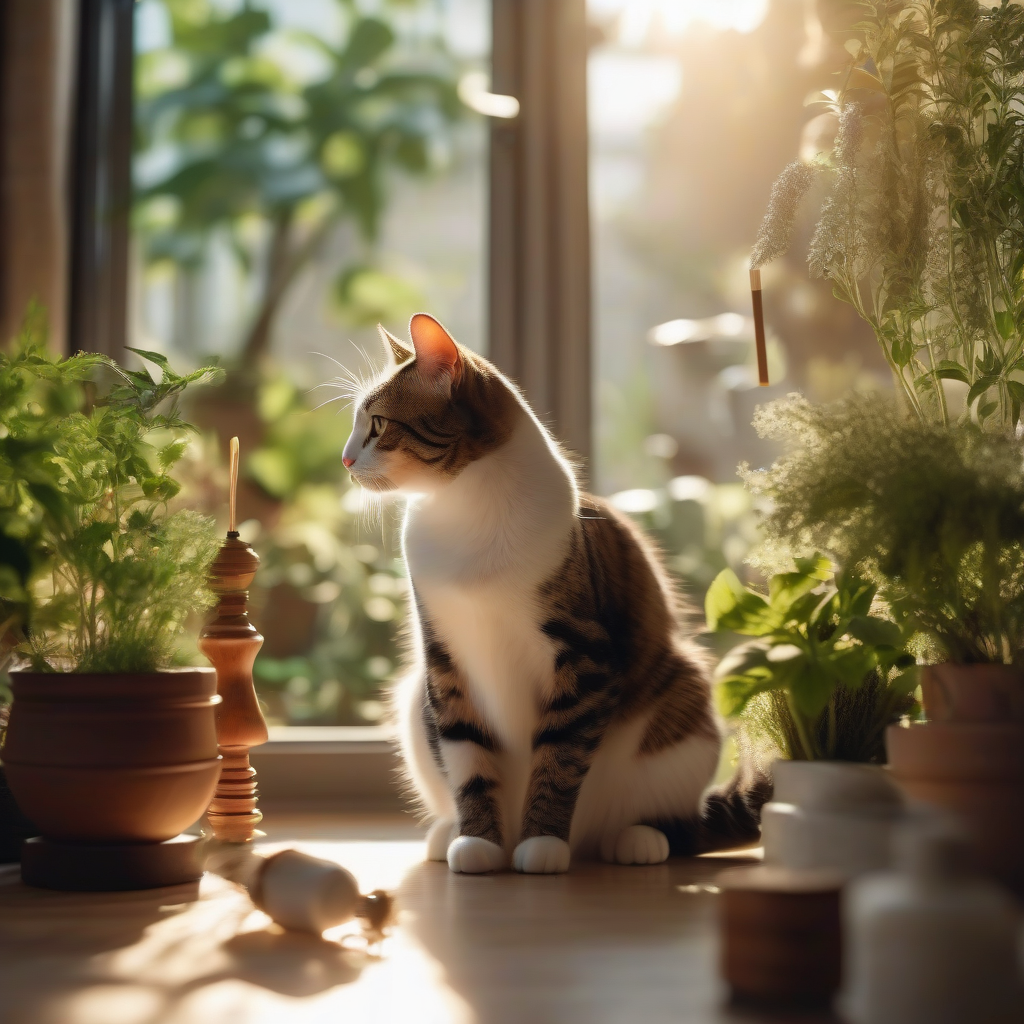
With the arrival of March and nature's awakening, cats are also increasingly captivated. This viral trend involves creating a 'scent garden' specifically designed for your cats, composed of safe and natural plants. A balanced mix of plants that calm and stimulate cats, such as catnip, valerian root, and chamomile, nourishes their natural instincts.
Key Considerations When Creating This Space:
- Safety First: Ensure all plants used are non-toxic to cats.
- Variety: Increase sensory diversity by choosing plants with different textures and scents.
- Accessibility: Provide an area that is easily accessible for your cat, yet also offers places to hide.
2. 'Meow-Aromatic Mind Map': Enhancing Memory Through Scent
This innovative approach utilizes the potential of specific scents to trigger cats' memories and emotional states. Safe and mild aromas associated with your cat's positive memories (e.g., a cloth with your distinct scent or the faint smell of a favorite toy) are used to support their mental health.
Application Recommendations:
- Personalized Scents: Natural essences (e.g., lavender oil - highly diluted and confirmed safe) lightly sprayed into the air during your cat's happiest moments (like playtime or cuddles).
- Routine Building: Associating specific scents with particular routines (e.g., feeding time or before sleep) strengthens the cat's mental predictability.
3. 'Scent Wall Art': Architectural and Olfactory Balance
Cats also 'mark' their environment through scent. This trend focuses on creating aesthetically pleasing spaces within the home where a cat can comfortably leave its own scent. Specially designed scent-marking spots allow the cat to leave its 'signature,' reinforcing a sense of belonging.
Design Tips:
- High Vantage Points: Elevated and accessible areas where cats feel secure.
- Natural Materials: Surfaces made from natural materials like wood and sisal, which cats can scratch and rub against.
4. 'Bio-Adaptive Scent Signature Technology': The Secret to Environmental Balance
This advanced concept analyzes cats' scent signatures to understand how they react to environmental changes. Situations like external weather shifts, the introduction of a new item into the home, or the presence of another animal leave distinct traces in a cat's sense of smell. This trend suggests monitoring these scent changes to understand a cat's stress levels or comfort.
Observation Methods:
- Periodic Scent Assessment: Evaluate the scents in different corners of the house at specific intervals to observe the cat's reaction.
- Behavioral Correlation: Establish the relationship between scent changes and your cat's behavior to identify potential stressors.
5. 'Emotional Resonance Aromas': Elevating Your Cat's Mood
A cat's sense of smell directly affects its emotional state. This trend explores how certain natural aromas can either calm or invigorate cats. For instance, calming scents like lavender or chamomile are recommended for stressed cats, while mild citrus or mint scents (in safe, diluted forms) might be suggested for more energetic and playful cats.
Safe Aroma Selection:
- Essential Oils: If used, only 100% pure and organic essential oils proven safe for cats should be employed, and highly diluted. Instead of diffusers, it's preferable to add a few drops to a cloth and place it in an inaccessible area for the cat.
- Plant-Based Products: Natural options like catnip sprays or dried herb sachets are safer.
6. 'Mysterious Scent Games': Mental Stimulation and Fun
Scent games that trigger a cat's predatory instincts are among the most effective ways to provide mental stimulation. This trend revolves around interactive feeders or toys made from various scents and textures, used to hide food or treats.
Game Ideas:
- Scent Mazes: Creating a maze in a small, safe area by applying scents your cat loves (e.g., food scent).
- Hidden Treasures: Hiding your cat's favorite small toys or treats in different parts of the house, encouraging them to find them by scent.
7. 'Vet Anxiety-Reducing Scent Protocols': Home-Based Therapy
Veterinary visits can be stressful for many cats. This viral movement includes scent protocols to help calm your cat before a vet appointment. For example, one might use safe, mild scents that mimic those at the vet's clinic (if approved by your veterinarian) or carry the scent of your cat's most secure home area, infused into a carrier, to the clinic.
Home Preparation:
- Familiar Scent Carriers: Bringing an item with your cat's own scent from its bed or favorite blanket to the vet visit.
- Calming Scents: Discussing the possibility of bringing a safe scent medication, to which your cat is accustomed and finds calming at home, into the carrier or clinic with your veterinarian.
These viral scent therapy secrets will enable cat owners in March 2026 to strengthen their bonds with their furry friends and noticeably enhance their quality of life. Remember, the language that best describes your cat's world is often scent!