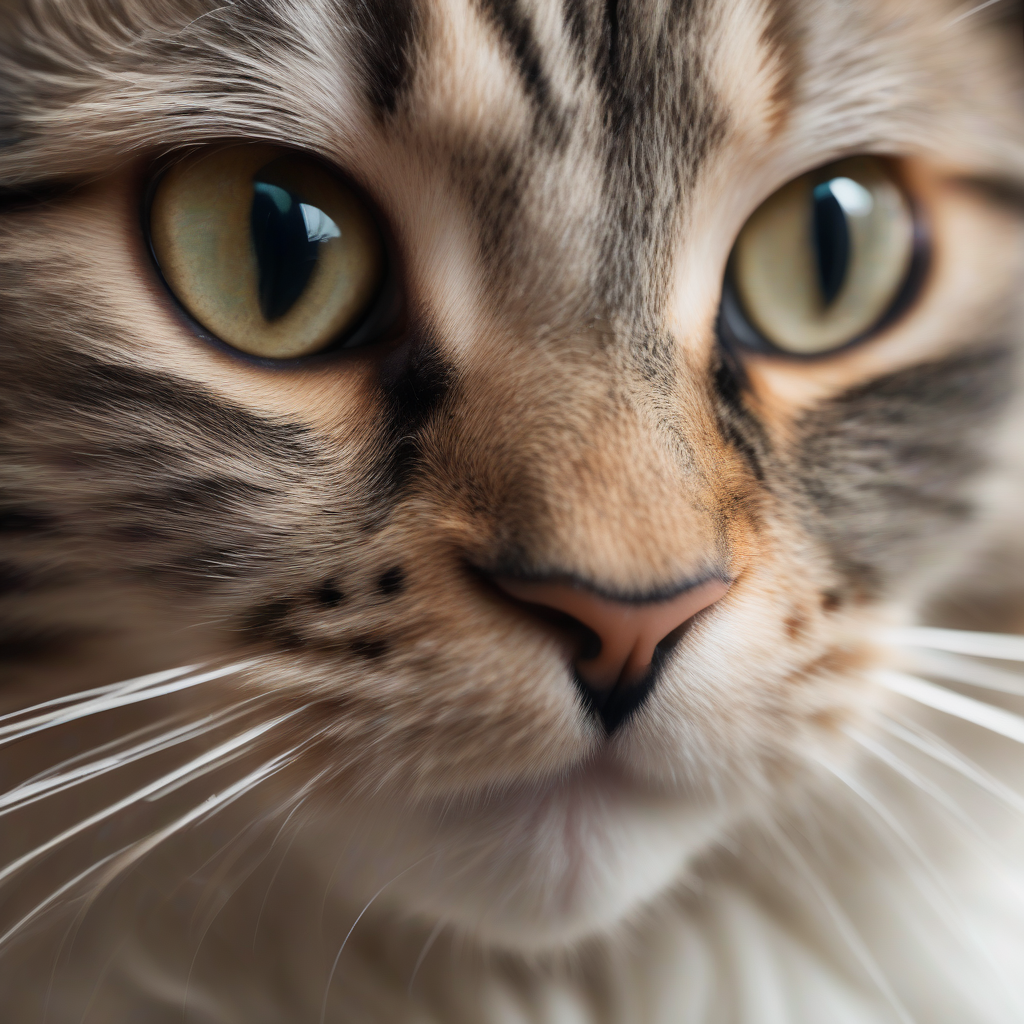
March 2026 Communication Revolution: Unravel Your Cat's 7 Secret Micro-Communication Cues! Strengthen Your Bond Scientifically
Cats are known as mysterious and elegant creatures. Although they have lived closely with humans for centuries, fully understanding their complex communication language remains a challenge for many of us. Beyond overt signals like 'meows,' 'hisses,' or distinct tail flicks, there's another layer of communication cats masterfully employ: Micro-Communication. As of March 2026, the discovery and interpretation of this subtle language has become one of the most exciting and bond-strengthening trends spreading among pet owners. At YuDo Pet, we're here to lead this communication revolution and help you further solidify the invisible bond with your cat through scientific methods.
What is Cat Micro-Communication and Why Is It So Important?
Cat micro-communication refers to a set of small, fleeting, and often hard-to-spot physical cues. These can include muscle twitches, millisecond changes in pupil size, very slight shifts in whisker position, or almost imperceptible ear tremors. These subtle details, often overlooked by traditional body language analyses, are key to understanding your cat's instantaneous mood, emotional state, and intentions.
Deciphering these hidden cues not only helps you understand what your cat is feeling but also:
- Fosters a Deeper Bond: Allows you to be more attuned to your cat's needs and discomforts.
- Provides Early Warning Signs: Enables you to detect potential issues like stress, pain, or unease before they escalate into significant behavioral problems.
- Enhances Interaction Quality: Makes playtime more rewarding, petting sessions more enjoyable, and improves mutual understanding.
Thanks to technological advancements and progress in behavioral science in March 2026, we can now interpret these micro-communication signals with greater precision. Here are 7 secret cues your cat whispers to you:
Your Cat's 7 Secret Micro-Communication Cues
1. The Instantaneous Twitch of the Tail Tip: When your cat's tail is generally upright and still, a slight twitch of just the tip often signals positive arousal, excitement, or mild contentment. You might observe this when they're anticipating their favorite food or spotting a bird from the window. This is a more internal and gentle emotional response than a full tail wag.
2. Millisecond Changes in Pupil Size: Beyond reacting to light, a cat's pupils can also momentarily dilate or constrict based on their emotional state. For instance, suddenly dilated pupils can indicate fear, surprise, or a desire to play (hunting mode), while slightly constricted pupils might signal focus or mild discomfort. These changes can be so rapid they require careful observation to notice.
3. The Micro-Tension and Direction of Whiskers: Whiskers play a critical role in how cats perceive their environment, but they are also a significant communication tool. Whiskers slightly tensed forward can indicate curiosity and a desire to explore, whereas whiskers tightly pulled back might suggest fear or feeling threatened. A relaxed cat's whiskers typically rest loosely to the side. The 'micro' difference here is the level of tension in each individual whisker, rather than just the general position.
4. The Subtle 'Figure-Eight' Ear Movement: Your cat's ears are constantly scanning their surroundings. However, sometimes you might notice both ears making a momentary, slight movement outwards and slightly backwards, almost drawing a 'figure eight.' This often indicates indecision, evaluating an environmental sound or situation, or mild unease. This is more nuanced than ears completely flattened or turned fully backward.
5. Slight Curling or Flexing of Paw Tips: When your cat is resting or interacting with you, you might notice them very slightly curling their paw tips inwards and releasing them again, or minimally flexing their claws (distinct from full 'kneading'). This is often a sign of deep relaxation, feeling secure, and comfort. Your cat might be whispering its trust and contentment through this subtle action.
6. Instantaneous Skin Ripples or Twitches on the Back: You might observe very rapid and short-lived muscle contractions or ripples in your cat's skin, especially from the shoulder area towards the base of the tail. If this isn't a reaction to an itch or discomfort, it typically indicates slight nervous tension, overstimulation, or momentary unease. This can be a silent indicator of internal restlessness.
7. Slow Head Turn and Gaze Aversion: If your cat, after making eye contact with you, slowly turns its head away and averts its gaze, this is a sign of trust and relaxation. While direct eye contact is often perceived as a challenge in dogs, prolonged direct staring can be unsettling for cats. By turning their head, they communicate with a 'calming' signal that they feel safe with you and don't perceive you as a threat.
Putting Micro-Communication into Practice
Noticing these subtle cues requires patience and careful observation. Spend calm moments with your cat, watching them closely while they play, rest, or eat. Taking notes can even be helpful to understand correlations between different situations and reactions. Remember, every cat is an individual, and the intensity or frequency of these cues can vary from cat to cat.
Conclusion
March 2026's cat communication trends allow us to deepen our bond with our feline companions like never before. By deciphering your cat's micro-communication secrets, you can build a richer, more understanding, and mutually respectful relationship. This will not only enhance their quality of life but also open up an invaluable window into your cat's mysterious world. At YuDo Pet, we are with you on this exciting journey of discovery. Start listening to your cat's whispers, and see for yourself how your bond strengthens!