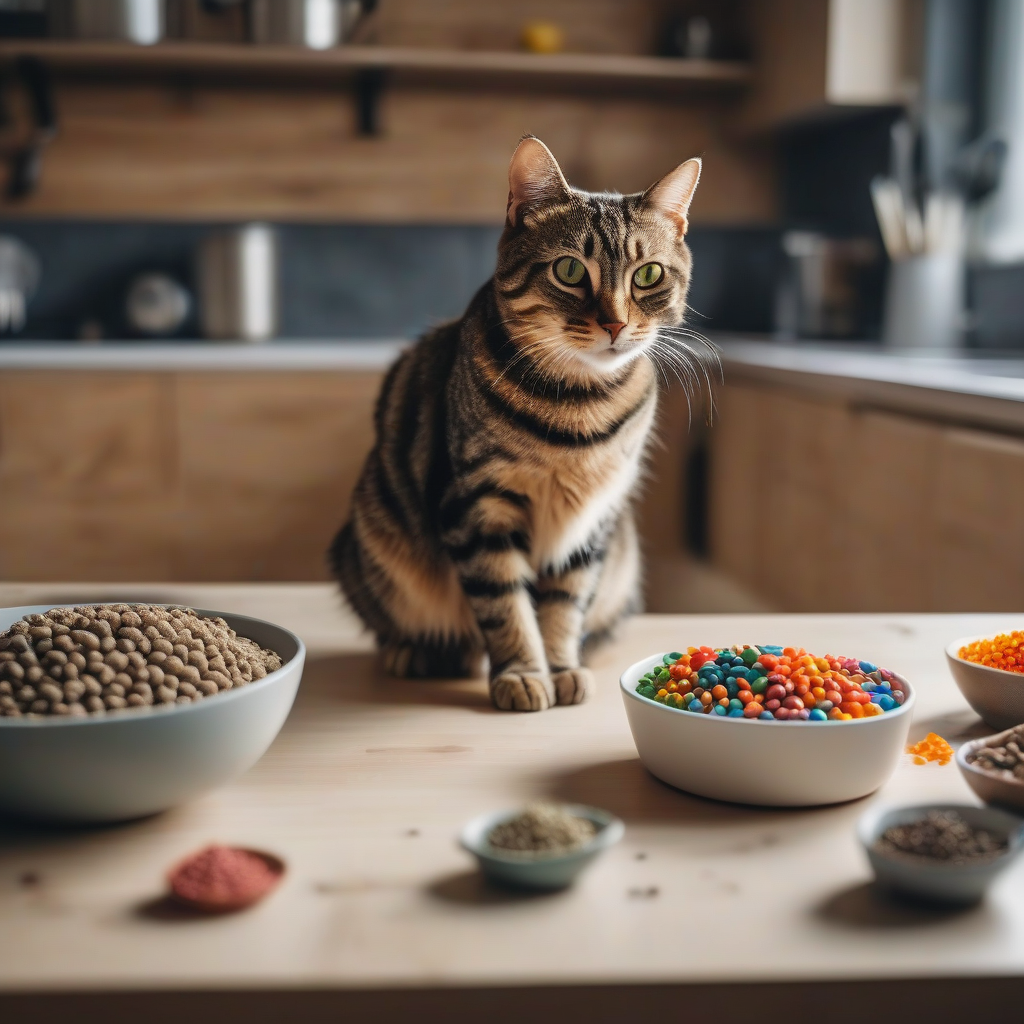
March 2026 Cat Health Revolution: Boost Your Feline Friend's Energy with 'Bio-Adaptive Nutrition'!
As of March 2026, a revolution is underway among pet owners focused on optimizing the health and well-being of their furry companions. Especially for cats, feeding approaches that can adapt to individual needs and current lifestyles are coming to the forefront. The name of this next-generation approach is: Bio-Adaptive Nutrition. Moving beyond standard food formulas, this strategy prioritizes a feeding approach that considers a multitude of factors, from your cat's genetic makeup to its activity level and even seasonal changes. As Sen YuDo Pet, we are bringing this exciting development under the spotlight for you.
What is Bio-Adaptive Nutrition and Why is it Going Viral?
Bio-Adaptive Nutrition is a feeding plan designed to be most suitable for your cat's unique biological profile and environmental factors. This approach aims to combine specific ingredients that support your cat's digestive system, optimize energy levels, and improve overall health. There are several key reasons behind this trend becoming so popular in March 2026:
- Personalized Health: Every cat is unique. Bio-adaptive nutrition moves away from a standard 'one-size-fits-all' approach and focuses on your cat's specific needs.
- Seasonal Adaptation: With the arrival of spring, cats' energy levels and metabolisms can change. Bio-adaptive nutrition optimizes nutrient supplements and food content to facilitate these transitional periods.
- Conscious Ownership: Today, pet owners are becoming more knowledgeable and conscious about their furry friends' health. This leads them to seek solutions tailored to individual needs.
- Scientific Advancements: Scientific progress in veterinary medicine and pet nutrition provides deeper insights into cats' nutritional requirements, forming the basis of bio-adaptive nutrition.
Key Components of Bio-Adaptive Nutrition: March 2026 Updates
As of March 2026, the prominent components of bio-adaptive nutrition include:
H3: High Bioavailability Protein Sources
Cats are obligate carnivores and have high protein requirements. Bio-adaptive nutrition focuses on fresh, high-quality protein sources. Proteins that are easily digestible and rich in amino acid profiles, such as lamb, turkey, and salmon, are prioritized. Particularly in new trends that have gone viral in March 2026, there is an emphasis on fish raised in stress-free environments and those rich in omega-3 fatty acids. This not only enhances protein quality but also contributes to your cat's lustrous coat.
H3: Probiotics and Prebiotics to Support Gut Microbiome
A healthy digestive system in cats is crucial for overall health and immune function. In March 2026, there has been a significant increase in the use of probiotics and prebiotics aimed at balancing the gut microbiome. These components regulate your cat's digestion, enhance nutrient absorption, and prevent the proliferation of harmful bacteria. Notably, next-generation cat foods have begun to include special fiber blends and live probiotic cultures focused on digestive health.
H3: Smart Carbohydrates and Fats for Energy and Mental Clarity
Cats' energy needs vary according to their lifestyle and activity levels. Bio-adaptive nutrition prefers complex carbohydrates with a low glycemic index (e.g., sweet potato, peas) and healthy fats (e.g., coconut oil, fish oil) to meet your cat's energy requirements. Another point of attention in March 2026 is the increased use of omega-3 fatty acids like DHA, which support brain function and enhance cognitive health.
H3: Vitamin and Mineral Balance: Tailored to Age and Health Status
The vitamin and mineral requirements of cats of all age groups differ. Kittens need specific vitamins for growth and development, while senior cats may require supplements like glucosamine and chondroitin to support joint health. Bio-adaptive nutrition offers optimized vitamin and mineral profiles based on your cat's age, overall health status (e.g., kidney disease, allergies), and activity level. In March 2026, interest in vitamins like C and E, and minerals like zinc, which strengthen the immune system, has particularly increased.
DIY Bio-Adaptive Cat Treats: March 2026 Viral Recipes
In addition to commercial foods, preparing your own bio-adaptive cat treats at home is a great way to contribute to your furry friend's diet. Here are a few practical and healthy recipes that have gone viral in March 2026:
H3: 'Spring Energy Boost' Chicken and Pumpkin Mini Bites
Ingredients:
- 1 cup cooked and shredded chicken breast
- 1/2 cup pumpkin puree (unsweetened)
- 1 tablespoon ground flaxseed
- 1 teaspoon carrot juice (optional, for Vitamin A)
Instructions: Mix all ingredients thoroughly in a bowl. Roll into small balls and place on a baking sheet lined with parchment paper. Let them firm up in the refrigerator for at least 30 minutes. Can be stored in an airtight container in the refrigerator for 3-4 days.
H3: 'Sensory Discovery' Salmon and Dill Fresh Biscuits
Ingredients:
- 1/2 cup salmon fillet (cooked and deboned)
- 1/4 cup whole wheat flour
- 1/4 cup rolled oats
- 1 tablespoon fresh dill (finely chopped)
- 1 egg
Instructions: Mash the salmon with a fork. Mix all ingredients to form a soft dough. Roll out the dough not too thinly and cut into small squares using cat-shaped cookie cutters or a knife. Bake in a preheated oven at 180°C (350°F) for 10-12 minutes, or until lightly golden. Store in an airtight container after cooling.
Conclusion: The Best for Your Feline Friend
In March 2026, bio-adaptive nutrition offers a powerful tool for maximizing your cat's health and happiness. Understanding your cat's individual needs, choosing the right nutrients, and translating this knowledge into practical recipes will contribute to a more energetic, healthier, and longer life for them. Remember, your furry friend's happiness is in your hands!