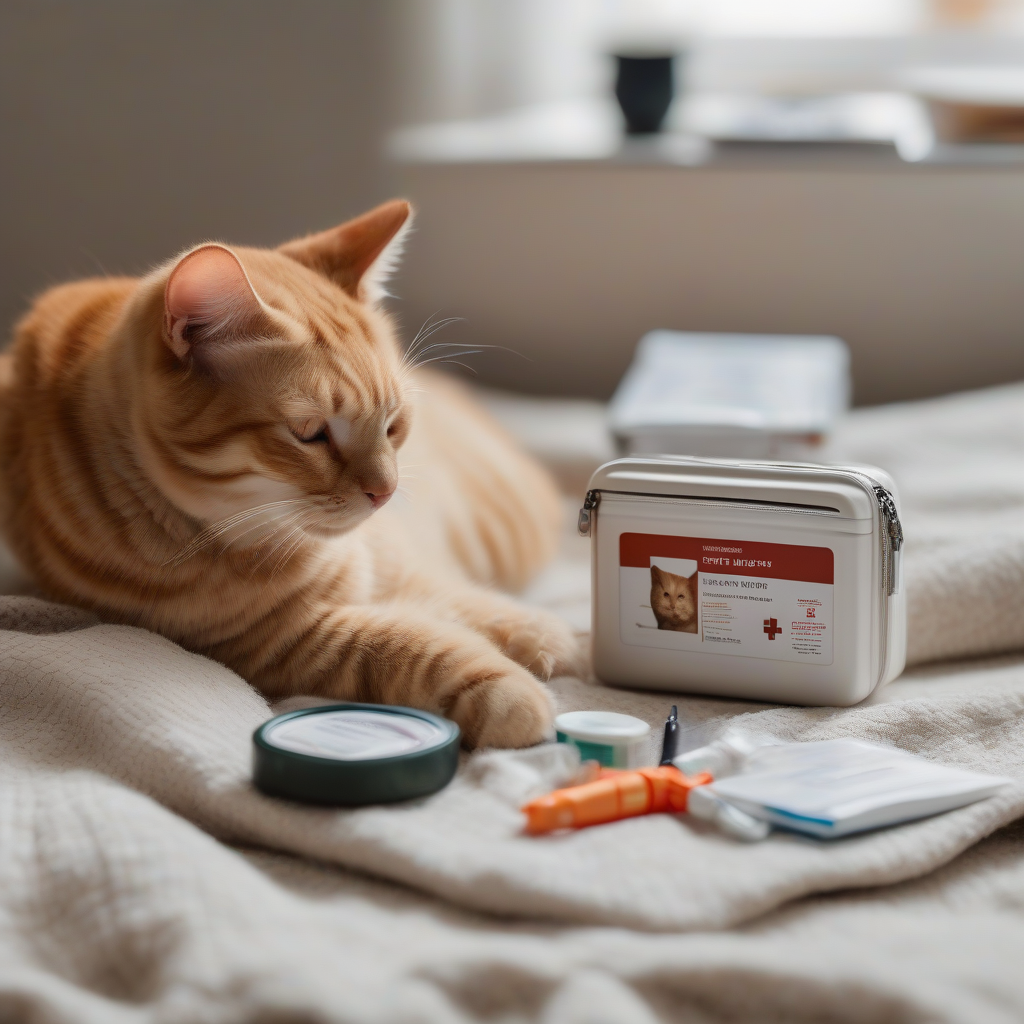
March 2026's Lifesaving Trend: Prepare Your Cat's Emergency Kit! 7 Critical First Aid Secrets Every Cat Owner Must Know
Cats enrich our lives with joy and tranquility, embodying mysterious and independent spirits. Their health and safety are paramount for every cat owner. However, no matter how careful we are, unexpected emergencies can sometimes be unavoidable. This is precisely where March 2026's rising and lifesaving trend comes into play: Preparing Your Cat's Emergency Kit and Acquiring Basic First Aid Knowledge.
This content goes beyond just a guide; it offers a comprehensive roadmap to empower you to be proactive against sudden health issues your cat might face. Being prepared for potential future dangers will enhance the quality of life for both you and your furry friend, helping you make the right decisions in critical moments. At YuDo Pet, we strongly recommend that every cat owner acquires this knowledge and takes the necessary precautions.
Why Should You Have a Cat Emergency Kit?
A cat emergency kit enables you to provide immediate intervention for your cat during unexpected health problems, accidents, or natural disasters. In the time it takes to reach a veterinarian, proper first aid applications can save your cat's life or prevent the situation from worsening. This kit serves as a shield not only for accidents but also against certain risks that increase during seasonal transitions (e.g., insect bites or plant poisonings that emerge in spring).
7 Critical First Aid Secrets That Can Save Your Cat's Life
Secret 1: Fully Prepare Your Essential First Aid Supplies
The core items that should form the backbone of your emergency kit include:
- Sterile Gauze and Bandages: For cuts and wounds.
- Antiseptic Wipes or Solution: To clean wounds (veterinarian-approved).
- Scissors: To cut bandages.
- Veterinary Thermometer: For temperature measurement.
- Latex Gloves: For hygiene and protection.
- Tweezers: To remove ticks or embedded objects.
- Your Veterinarian's Contact Information and Emergency Vet Numbers: One of the most important!
Secret 2: Be Proactive About Poisoning Situations
Cats are curious creatures, and many household plants, cleaning products, or medications can be toxic to them.
- Activated Charcoal: A small amount can be kept for use as directed by your veterinarian.
- List of Toxic Substances: Make a list of all substances in your home that could be toxic to cats and store them in secure places.
- Emergency Vet Phone Numbers: Always have numbers readily available to call immediately if poisoning is suspected.
Secret 3: Respond to Injuries Promptly and Correctly
Small cuts, scrapes, or torn nails can occur frequently.
- Bleeding Control: Apply direct pressure with a clean cloth or gauze.
- Wound Cleaning: Gently clean with a veterinarian-recommended antiseptic solution. Never use human antiseptics.
- Simple Bandaging: Can help stop bleeding or reduce the risk of infection. However, avoid wrapping too tightly and seek professional help.
Secret 4: Recognize Choking and Suffocation Hazards
Cats can swallow small objects while playing or eating, leading to a risk of choking.
- Symptoms: Excessive coughing, pawing at the mouth, difficulty breathing, bluish gums.
- Intervention: If your cat is still breathing or coughing, monitor them and contact your vet. If they are not breathing or lose consciousness, be extremely careful if you haven't received professional training and immediately contact your vet. While there are some simple maneuvers, incorrect application can cause serious harm.
Secret 5: Take Precautions Against Heatstroke and Hypothermia
Spring months are periods of rapid weather changes. Cats can also be affected by heatstroke or hypothermia.
- Heatstroke (Especially in Enclosed Vehicles): Symptoms include excessive panting, drooling, weakness, vomiting. Immediately move them to a cool place, cool their body with wet towels, and contact your veterinarian.
- Hypothermia (Affected by Extreme Cold): Shivering, lethargy, drop in body temperature. Slowly warm them (blanket, warm water bag) and contact your veterinarian.
Secret 6: Emergency Transport and Safe Handling
In an emergency, safely transporting your cat to the vet is vital.
- Secure Carrier: Always have one readily available. Placing a blanket or T-shirt with a familiar scent inside can reduce your cat's stress.
- Gentle and Supportive Handling: Be very careful when carrying an injured cat; hold them as supportively as possible to avoid increasing their pain.
Secret 7: Communication and Follow-up with Your Veterinarian
In any emergency, your veterinarian should be the first person you call.
- Provide Detailed Information: Clearly and concisely describe the situation, symptoms, and any first aid interventions you've performed.
- Follow Instructions: Adhere strictly to your veterinarian's directions.
- Follow-up Appointments: Even after the situation improves, go to follow-up appointments to ensure your cat has fully recovered.
Preparing your cat's emergency kit and having basic first aid knowledge is one of the most critical ways to protect your furry friend's life in March 2026. By taking these steps, you can be prepared for any unexpected situation and provide your cat with a long, healthy, and happy life. Remember, knowledge and preparation are indispensable parts of cat ownership.