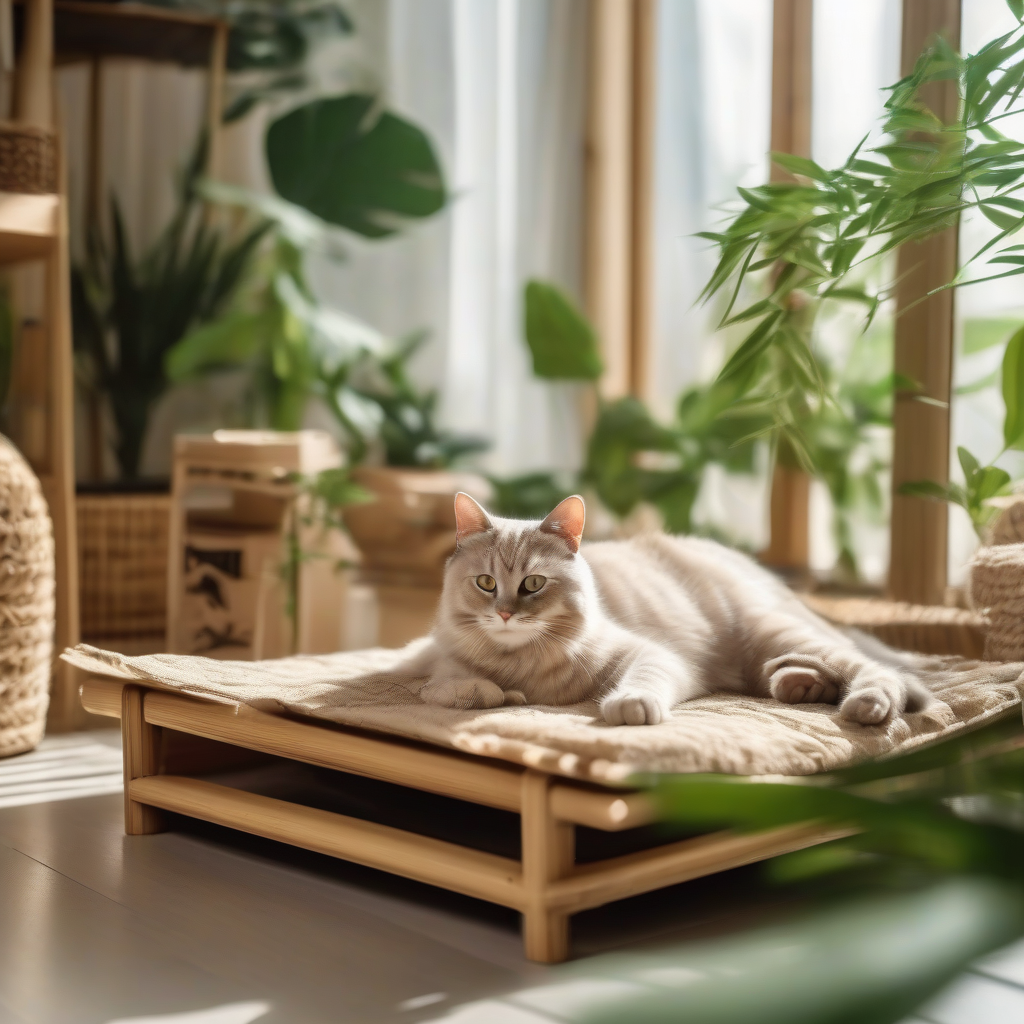
March 2026's Meow-Sustainability Revolution: 7 Smart Steps for Your Cat's 'Eco-Friendly Living Space'!
As we enter March 2026, sustainability and environmental consciousness are increasingly prevalent among pet owners. It is now more important than ever to fulfill our responsibilities towards our planet while enhancing the quality of life for our furry companions. In line with this, the trend of creating 'eco-friendly living spaces' for our cats is on the rise. So, what can you do to ensure your cat lives a healthy and environmentally conscious life? Here are 7 smart steps, blended with the innovations brought by March 2026:
1. Toys and Scratching Posts Made from Recycled Materials
Cats' need for play and scratching is indispensable. However, it is crucial not to overlook the environmental impact of the materials used to meet these needs. As of March 2026, innovative cat toys and scratching posts made from recycled cardboard, ropes, fabrics, and even plastic bottles are becoming popular. These products not only satisfy your cat's natural instincts but also help reduce waste.
- Why It Matters: Natural materials are safer for your cat's health, and recycled products prevent the depletion of new resources.
- Trend Alert: Beyond boring and monotonous designs, recycled toys that mimic natural forms (like tree branches, leaves) are taking center stage.
2. Organic and Natural Cat Beds
It is vital for your cat to have a comfortable and safe sleeping area. In March 2026, cat beds made from materials such as organic cotton, bamboo fibers, recycled textiles, and natural latex are coming to the forefront. These materials, free from chemical dyes and unprocessed fibers, are gentle on your cat's skin and have a lesser environmental impact in their production processes.
- Harmony with Sense of Smell: Cats have a very sensitive sense of smell. Beds made from natural materials help your cat feel more comfortable due to the absence of synthetic odors.
- Ease of Care: Organic materials are generally hypoallergenic and easy to wash.
3. Create Your Own Play Area: DIY Eco-Friendly Scratching Stations
Instead of investing in ready-made products, you can create your own eco-friendly scratching stations using household waste materials. By combining old carpet scraps, cardboard boxes, and jute ropes, you can produce both budget-friendly and creative solutions. This is a great way to bond with your cat and increase its physical activity.
- Creativity is Key: Keep your cat's interest alive by creating scratching surfaces of different heights and shapes.
- Safety: Be sure to use natural binders and materials that do not contain adhesives or toxic substances.
4. Biodegradable Cat Litter and Hygiene Products
Cat litter is a significant waste item in the pet industry. As of March 2026, plant-based, biodegradable cat litters made from corn, wheat, sawdust, or coconut fiber are becoming increasingly popular. Similarly, cleaning products made from natural materials that easily decompose in nature should also be preferred.
- Health Benefits: Some synthetic cat litters can cause respiratory problems. Biodegradable options are generally more natural.
- Environmental Impact: Biodegradable cat litters decompose much faster and more harmlessly in nature compared to traditional litters.
5. Natural Play and Exploration Areas with Indoor Plants
Some indoor plants are safe and even beneficial for cats. In March 2026, creating small 'mini gardens' with plants known to be safe for cats (such as catnip, mint, parsley) is becoming a trend to stimulate their minds and nurture their natural exploratory instincts. These plants activate your cat's sense of smell and taste, offering them a natural play area.
- Safety Check: Before adding any plant to your cat's living space, it is vital to ensure it is not toxic to your cat.
- Mental Stimulation: Natural plants gently stimulate your cat's hunting and exploration instincts, preventing boredom.
6. Energy Efficiency and Natural Lighting
When designing your cat's living space, energy efficiency should also be taken into consideration. Maximizing the use of natural light helps regulate your cat's circadian rhythm. In times when daylight is insufficient, low-energy LED lighting that is kind to cats' eye health can be preferred. As of March 2026, solar-powered or automatic sensor lighting solutions are reaching more users.
- Circadian Rhythm: Natural light cycles positively affect your cat's sleep-wake cycle.
- Environmental Responsibility: Reducing energy consumption helps shrink the carbon footprint.
7. Sustainable Food and Water Bowl Options
Your cat's feeding habits can also be aligned with our sustainability approach. Food and water bowls made from materials such as bamboo, recycled glass, or stainless steel are an effective way to reduce plastic usage. Additionally, smart water fountains that filter water, providing both healthier and less waste, are also increasing in popularity in March 2026.
- Hygiene and Health: Stainless steel and glass bowls facilitate cleaning and reduce bacterial growth.
- Longevity: These materials are generally more durable and can be used for many years.
In March 2026, it is everyone's responsibility to act with the awareness of doing the best for our planet while wanting the best for our cats. Creating an eco-friendly living space will not only enhance your cat's happiness and health but will also be a small yet meaningful step towards a greener future.