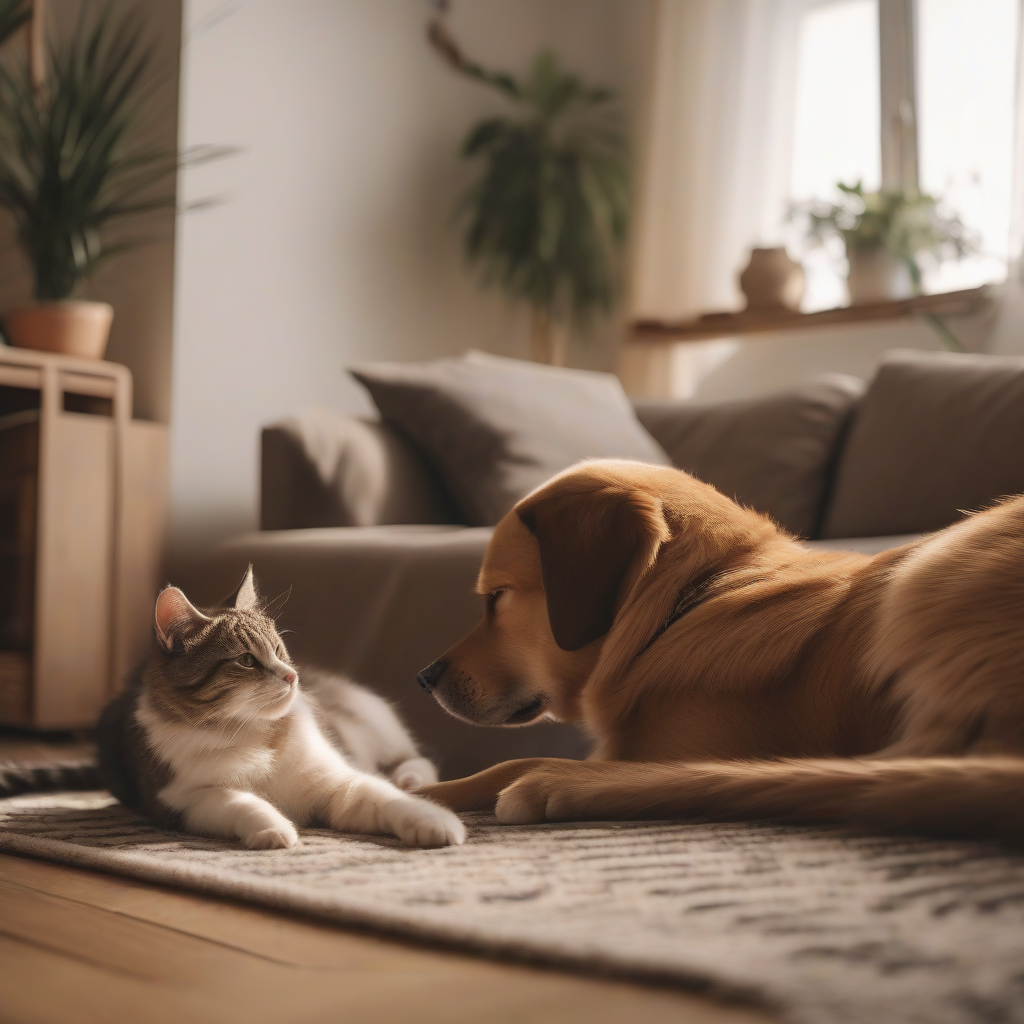
March 2026's Viral Secret: The Mysterious 'Peace Protocol' Between Your Cat and Dog! 7 Smart Ways to Help Your Furry Friends Live in Harmony!
Adopting pets is one of the most beautiful ways to bring joy and unconditional love into our lives. However, having both a cat and a dog in your home, contrary to popular belief, may not always be easy. The cliché "cats and dogs hate each other" unfortunately forces many potential pet families to choose one type over the other. Yet, as of March 2026, the 'Peace Protocol' philosophy spreading in the pet world is shattering these old beliefs, showing that your furry friends can live in harmony, even becoming each other's best companions. As Sen YuDo Pet, we follow this viral trend and offer you 7 smart ways to establish a lasting bond of peace and friendship between your cat and dog.
It is vital for your pets' physical and mental health that they not only live under the same roof but also interact positively with each other. Moreover, it reduces stress levels at home, creating a more peaceful environment for you as well. So, how can we implement this "Peace Protocol"? Here is your step-by-step guide:
Why is Harmony Between Furry Friends Important?
A harmonious relationship between cats and dogs benefits everyone in the household. Pets experience less stress, becoming happier and more balanced. This reduces unexpected behavioral problems and enhances their overall quality of life. Furthermore, witnessing their special bond brings great joy and pride to you as a pet owner. This highly regarded trend of March 2026 offers a holistic perspective on pet welfare.
7 Smart Peace Protocol Strategies for Your Cat and Dog
1. Early and Proper Introduction: Don't Rush, Build a Foundation
When a new pet arrives home, it might be tempting to introduce both animals immediately, but this can be a big mistake. The foundation of a successful "Peace Protocol" is a slow and controlled introduction. Initially, keep the animals in separate rooms, allowing them to get used to each other's scents. Let them smell each other under the door. Then, start with short, supervised visual contacts, ensuring both animals are comfortable. This process can take weeks, even months; patience is key.
2. Separate Spaces and Safe Zones: Every Creature Needs Its Own Space
Every cat and dog needs its own personal space. Cats often prefer high places, while dogs may see their beds or blankets as their safe havens. Ensure your cat has high escape routes like climbing towers, shelves, or windowsills where the dog cannot reach. For your dog, a comfortable bed or crate will serve as its own private sanctuary. These areas should be places where both animals can destress and be alone.
3. Scent-Based Integration: Building Sensory Bridges
The world of cats and dogs is largely built on scents. Getting them accustomed to each other's smells is one of the most effective ways to soften the introduction process. Initially, place one animal's blanket or toy near the other's to allow for scent exchange. Also, petting both animals without washing your hands after each is a way to consciously mix their scents. Pheromone diffusers can also be helpful in this process.
4. Positive Reinforcement and Rewards: Encourage Good Behavior
Reward every positive behavior your animals display towards each other. Every moment, such as a calm gaze, indifference towards each other, or simply being comfortable in the same room, should be reinforced with a treat, praise, or petting. This makes good interactions enjoyable and rewarding, so positive behaviors increase over time. Never force or punish; this will only worsen the situation.
5. Supervised Interactions: Keep Control
All interactions during the initial introduction and acclimation phases must be supervised. It's important that your dog is on a leash or your cat is in an area where it can easily escape. If you notice any signs of tension (raised fur, hissing, growling, ears flattened), gently separate the animals and calm the environment. Start with short, positive interactions and gradually increase the duration.
6. Energy Management and Exercise: Tired Friends Are Calmer Friends
An overly energetic dog or a bored cat can exhibit more tense or uncontrolled behaviors towards the other pet. Ensure your dog gets regular and sufficient exercise. Also, provide your cat with games and interactions that stimulate it mentally and physically. Tired and happy pets tend to be calmer and more harmonious with each other.
7. Professional Help and Patience: Remember, It Takes Time
Sometimes, despite all your efforts, you may not achieve the desired harmony between your animals. In such cases, seeking help from a veterinarian or a certified animal behaviorist can be very beneficial. Experts can offer personalized strategies tailored to your animals' specific needs. Most importantly, be patient. Every animal's acclimation process is different and can take time. With a consistent and loving approach, you can ensure your furry friends become each other's best companions.
With this 'Peace Protocol' guide for March 2026, you will witness the legendary animosity between cats and dogs in your home give way to a true friendship. Remember, every pet is an individual, and the effort you put into their happiness will return to you manifold.