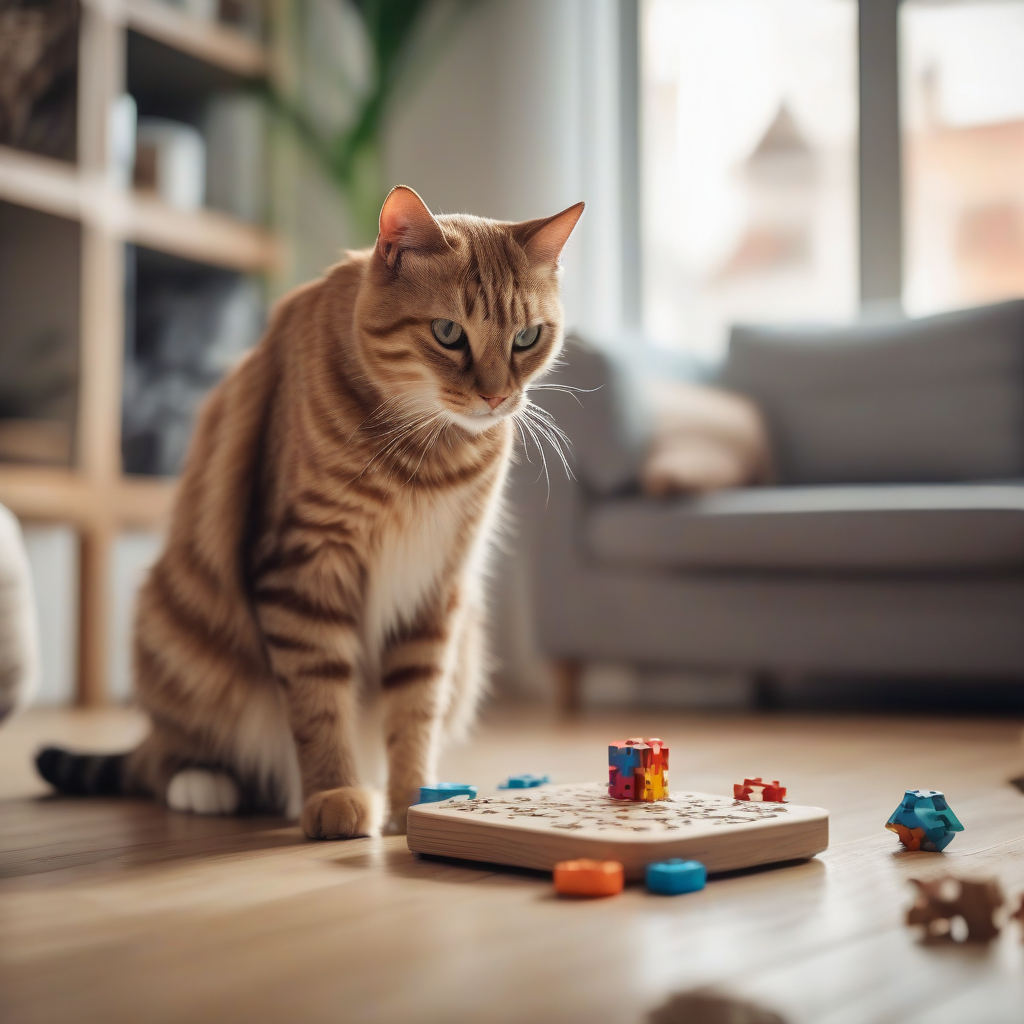
Introduction: It's Time to Preserve Your Cat's Mental Youth!
As we reach March 2026, our awareness of pet health and well-being is higher than ever. The impact of our furry friends' mental health, not just physical, on their quality of life is now an undeniable truth. Cognitive decline in cats is a common but often overlooked condition in aging felines. But don't worry! Thanks to current scientific data and innovative approaches, there are many smart ways to protect and even enhance your cat's brain health.
In this guide, we will share 7 effective strategies that blend March 2026's most notable trends and expert opinions to support your cat's cognitive functions and extend their mental youth. Get ready, we are embarking on a journey to secure your cat's future 'meow-mories'!
Cognitive Decline in Cats: Symptoms and Risk Factors
Feline Cognitive Dysfunction Syndrome (CDS), much like Alzheimer's disease in humans, refers to a series of cognitive and behavioral changes that occur with age. Although typically observed in cats over 10 years old, symptoms can begin around 7-8 years of age. So, what are the symptoms of this condition, and what risk factors affect your cat?
Why is Early Diagnosis Crucial?
Recognizing the early signs of CDS increases your chances of intervention and significantly improves your cat's quality of life. Some common signs to look out for include:
- Disorientation: Getting lost in the house, inability to find familiar places, staring at walls.
- Changes in Social Interaction: Seeking more or less attention, withdrawing from people or other pets.
- Disruptions in Sleep-Wake Cycle: Sleeping during the day and being active at night, meowing without reason.
- Litter Box Issues: Urinating or defecating outside the litter box, accidents.
- Changes in Activity and Behavior: Less play, lack of motivation, repetitive behaviors.
Risk factors include genetic predisposition, inadequate environmental enrichment, poor quality nutrition, and chronic stress. Fortunately, most of these risks can be managed or mitigated.
Elevate Brain Health with March 2026's 7 Smart Methods
Here are the most current and effective strategies you can implement to support your cat's mental vitality:
1. Neuro-Supportive Nutritional Protocols
Nutrition is fundamental to brain health. March 2026 trends highlight brain-friendly nutrients specifically formulated for cats. Foods rich in high-quality proteins, medium-chain triglycerides (MCTs), B vitamins, folic acid, and arginine can support the health and function of nerve cells. Some brands offer specialized foods with prebiotics and probiotics aimed at enhancing cognitive function. Consult your veterinarian to create a neuro-supportive feeding plan appropriate for your cat's age, breed, and health status.
2. Cognitive Stimulating Games and Environmental Enrichment
Keeping your cat's mind active is one of the most enjoyable ways to delay cognitive decline. Interactive puzzle toys, food dispensers, and hidden treat games engage your cat's problem-solving skills. Increasing vertical spaces (cat trees, shelves), safe window perches, and varying play routines provide environmental enrichment. Rotating toys weekly prevents boredom and keeps their curiosity alive.
3. Antioxidant and Omega-3 Supplements
Oxidative stress caused by free radicals can damage brain cells. Potent antioxidants like Vitamin C, Vitamin E, and selenium help reduce this damage. Furthermore, Omega-3 fatty acids like DHA (docosahexaenoic acid) and EPA (eicosapentaenoic acid), derived from fish oil, play a critical role in the health of brain cell membranes and inflammation reduction. With your veterinarian's recommendation, you can add appropriate doses of supplements to their diet.
4. Regular Physical Activity
Physical activity is indispensable not only for physical health but also for brain health. Regular exercise increases blood flow, delivering more oxygen and nutrients to the brain. Organize daily play sessions with tools like laser pointers (ensure safe termination), feather wands, automatic toys, or a safely designed cat treadmill (cat wheel) like tools. Activity also helps maintain your cat's ideal weight, reducing secondary cognitive risk factors like diabetes.
5. Social Interaction and Routines
Cats, contrary to popular belief, are social creatures, and regular human interaction is crucial for mental stimulation. Petting, purring, talking, and gentle play sessions strengthen your cat's social bonds and reduce feelings of loneliness. Establishing a predictable daily routine (meal times, play times, resting areas) helps your cat feel secure and reduces anxiety, which positively reflects on cognitive health.
6. Stress Management and Calming Approaches
Chronic stress can negatively impact a cat's cognitive functions. Providing a calm and peaceful living environment is essential. Products such as pheromone diffusers, calming herbal supplements (with veterinary approval), soothing music, or specially designed cat beds can help lower your cat's stress levels. Especially for older cats, it's important to avoid sudden changes and provide them with their own 'safe havens'.
7. Biotechnological Supports and Future Trends
As of March 2026, biotechnological advancements in feline cognitive health show great promise. Veterinarians can now utilize genetic marker tests or precise blood biomarker analyses for early diagnosis of cognitive decline. Furthermore, research continues on specially designed neuro-peptide supplements or treatments that support cellular regeneration. While not yet widespread, these innovative approaches could revolutionize the future of your cat's brain health. Don't forget to inquire with your veterinarian about such advanced treatment options.
Conclusion: A Long and Mentally Vibrant Life with Your Furry Friend
Protecting your cat's cognitive health is key to providing them with a long, happy, and high-quality life. With these smart methods brought by March 2026, you can support your cat in many areas, from nutrition to environmental enrichment, from activity to stress management. Remember, early intervention and proactive approaches are the most effective ways to preserve your furry friend's mental youth. Incorporate these strategies into your life to make every moment spent with your cat more meaningful and help them maintain that sparkle in their eyes for many years to come!