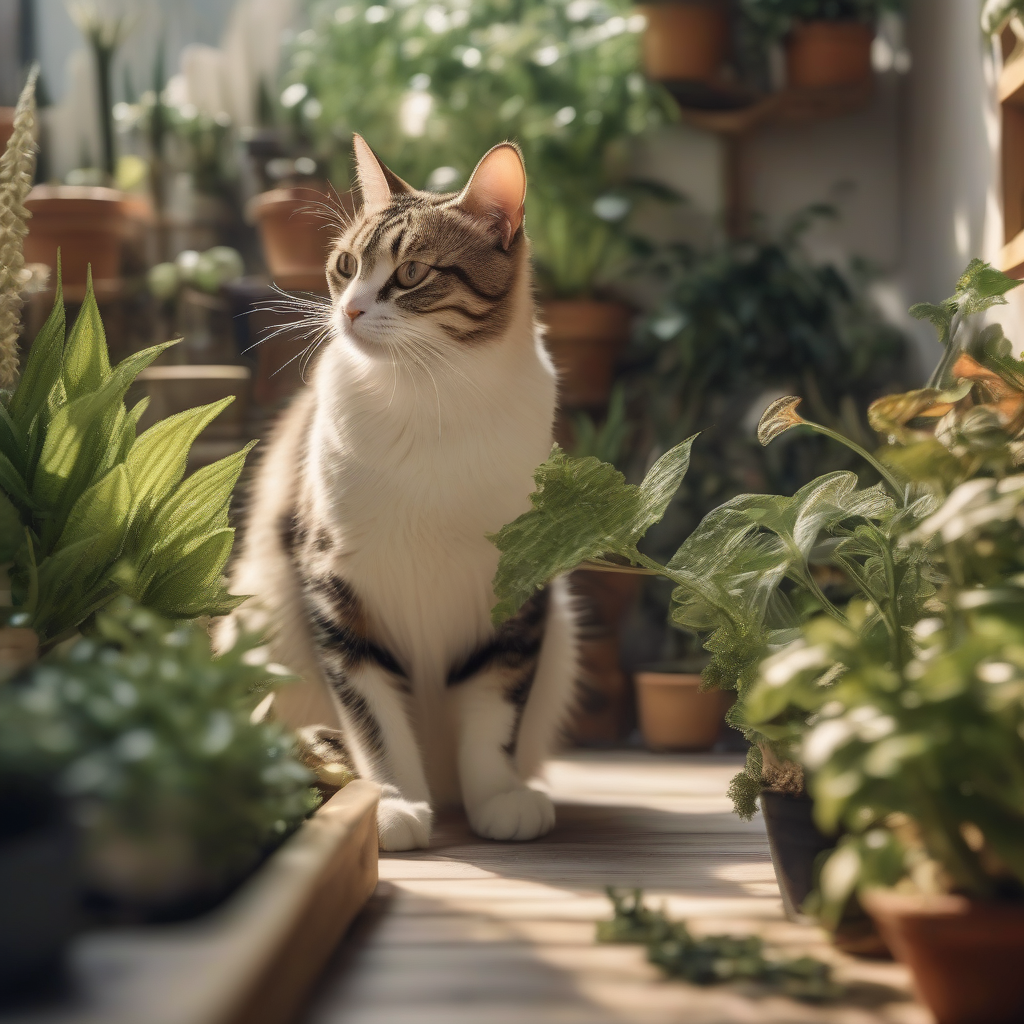
March 2026 Viral Discovery: Ignite Your Cat's Senses with a 'Bio-Sensory Scent Garden'!
March 2026 is witnessing rapidly evolving trends in the pet world, with innovative experiences for cats gaining significant attention. One of the most exciting trends emerging during this period is the 'Bio-Sensory Scent Garden,' designed to engage a cat's natural senses. Our feline companions no longer settle for just food and water bowls; they require spaces that support their mental and physical development, making their environment richer and more stimulating. In this comprehensive guide, we will explain how to create a 'Bio-Sensory Scent Garden' for your cat at home, its benefits, and how to bring this wonderful experience to life step-by-step.
Why Create a Bio-Sensory Scent Garden for Your Cat?
Cats, by nature, are curious and eager to explore. Indoor cats often miss out on many of the stimuli the outside world offers. This can lead to boredom, stressed behaviors, and even physical inactivity over time. A 'Bio-Sensory Scent Garden' aims to bridge this gap by offering cats new scents, textures, and visual stimuli in a safe environment.
Benefits of a Bio-Sensory Scent Garden:
- Mental Stimulation: New and intriguing scents keep your cat's brain active, enhance their learning ability, and support cognitive health.
- Stress Reduction: A safe and explorable space helps cats lower their stress levels. Different scents can create calming effects.
- Supporting Natural Instincts: Scent is one of the most crucial senses for cats. This garden allows them to satisfy their natural predatory instincts and desire for exploration.
- Increased Physical Activity: Plants and structural elements at different levels encourage your cat to move, climb, and explore.
- Sensory Development: Visual, olfactory, and tactile stimuli enhance your cat's sensory perception and contribute to more balanced development.
Guide to Creating a Bio-Sensory Scent Garden for Your Cat: 7 Steps
Creating this unique experience for your cat is easier than you might think. Here's a step-by-step guide:
Step 1: Identify and Prepare a Safe Area
Choose a quiet, safe corner of your garden or home that doesn't receive direct sunlight. It's important for it to be a calm environment where your cat feels secure. Clean the ground and prepare a safe base for your cat (e.g., natural wood chips or a washable mat).
Step 2: Select Cat-Safe Plants
This is one of the most critical steps. Not all plants are safe for cats. Absolutely avoid toxic plants. Some popular cat-safe plants include:
- Catnip: Highly attractive and stimulating for many cats.
- Valerian Root: Can have a similar effect to catnip.
- Catmint: Has a milder effect than catnip.
- Chamomile: Can have a calming effect.
- Rosemary: Beneficial in certain amounts, avoid overuse.
- Parsley and Dill: Both safe and flavorful.
- Mint Varieties: Different types of mint can be appealing to cats.
- Lavender: Has a calming scent, loved by some cats.
Using these plants in pots can help prevent your cat from digging in the soil.
Step 3: Add Various Scent Sources
Besides plants, you can also add natural scent sources that will attract your cat:
- Dried Fresh Herbs: You can present dried herbs like Valerian or Catnip in small sachets.
- Natural Wood Pieces: Some cats enjoy the scent of certain wood types. You can add small, safe wood pieces.
- Dried Flowers: Dried flowers like lavender can also add a pleasant aroma.
Step 4: Create Tactile Richness
Different textures enhance your cat's sensory experience. You can add elements like the following to your garden:
- Stones and Rocks of Various Sizes: Safe and smooth stones that your cat can climb on or walk around.
- Natural Wood Logs: Can be used as climbing and resting areas.
- Washable Surfaces: Cushions or straw mats with different textures for your cat to lie on.
Step 5: Incorporate Visual Stimuli
Visual elements that capture your cat's attention and pique their curiosity are also important:
- Moving Elements: Gently swaying feathers (securely attached), wind chimes (producing light and harmless sounds).
- Different Levels: Platforms or raised areas where your cat can jump and observe the surroundings from different angles.
- Reflective or Shiny Objects: Small, safe, and secured objects that can attract a cat's attention without startling them.
Step 6: Safety and Supervision
Always prioritize your cat's safety. Ensure there are no toxic houseplants or chemicals in your garden. Be cautious about the risk of swallowing small pieces. Observe your cat carefully when introducing them to a new area. Initially, introduce this space through short supervised visits.
Step 7: Regular Maintenance and Refreshment
Regular maintenance is essential to keep your bio-sensory scent garden vibrant and appealing. Replace dead plants, refresh scents, and update the garden periodically by adding new elements to keep your cat interested.
March 2026 Viral Tips: Strengthen Your Bond with Your Cat
Watching your cat spend time in this bio-sensory scent garden will help you better understand their natural behaviors. This experience will be enjoyable not only for your cat but for you as well. Remember, the strong bond you share with your cat forms the foundation of their overall well-being. With this innovative trend of March 2026, add more joy, exploration, and sensory richness to your furry friend's life!