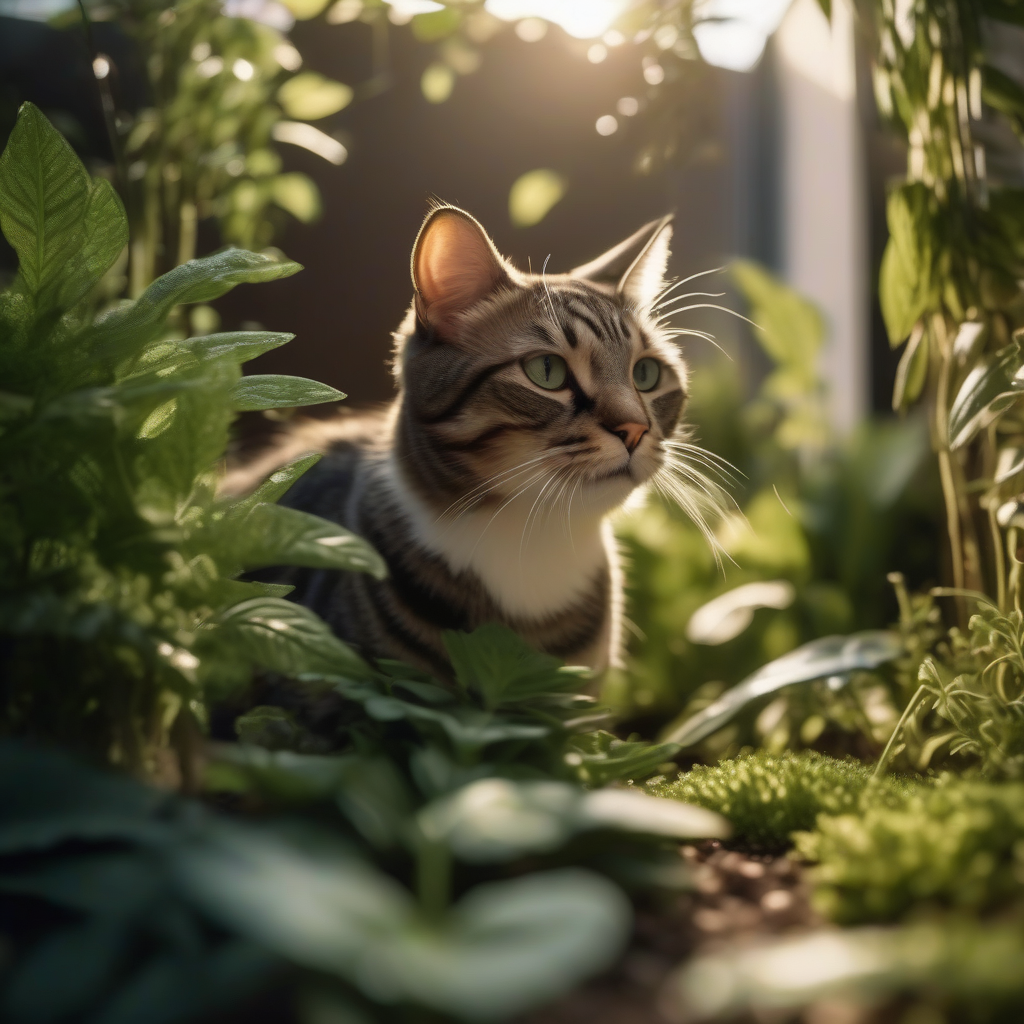
March 2026's Viral Evolution: Ignite Your Cat's Senses with a 'Bio-Sensory Scent Garden'! 7 Steps to an Unforgettable Aroma Experience
March 2026 marks the dawn of a new wave in the pet world: maximizing cats' sensory experiences! 'Bio-Sensory Scent Gardens,' specifically targeting cats' advanced sense of smell, are emerging as one of the most innovative ways to enhance your furry friend's mental and emotional well-being. In this guide, we'll walk you through 7 steps to create an unforgettable aroma experience, helping your cat build its own sensory paradise at home.
Why is a 'Bio-Sensory Scent Garden' Important for Cats?
Cats perceive the world primarily through scent. Their noses are exponentially more sensitive than humans', capable of distinguishing thousands of different smells. This incredible sensory ability allows them to explore their environment, communicate, and even understand their emotional states. However, domestic environments, especially for indoor cats, can be limited and monotonous in terms of scent. This can lead to stress, boredom, and even behavioral issues.
The 'Bio-Sensory Scent Garden,' a viral trend for March 2026, aims to address this deficiency. By creating a safe, nature-inspired space that activates cats' natural scent-discovery instincts, it enhances their mental stimulation and overall happiness.
Creating a 'Bio-Sensory Scent Garden' for Your Cat: 7 Viral Steps
1. Choosing a Safe and Inviting Location
The first step is to identify a spot where your cat will feel secure and frequently visit. Window perches, a quiet corner, or a semi-enclosed balcony can be ideal. High and calm places make cats feel safe. Adding different levels and hiding spots will make the garden more appealing.
2. Selecting Cat-Friendly Plants: Safety First!
Choosing plants that are safe for cats and also rich in aroma is crucial. Some popular choices gaining traction in March 2026 include:
- Catnip: Induces euphoria and relaxation in most cats. However, it can be overstimulating for some, so use it in moderation.
- Valerian Root: Has a similar effect to catnip and may be more potent for certain cats.
- Lavender: Possesses a calming aroma and can help reduce stress in cats. Use in small amounts.
- Fresh Herbs (Parsley, Dill): Their fresh and mild scents can pique a cat's interest. They are also beneficial for the digestive system when consumed fresh.
- Passionflower: Known for its calming properties, it can help cats feel more peaceful.
Important Note: Ensure all plants are safe for cats. Absolutely keep toxic plants away from your garden. Consulting your veterinarian is the best course of action.
3. Offering Different Textures and Surfaces
To enrich the scent experience, incorporate not just plants but also various textures. Areas of soft grass for rolling, natural wood pieces for scratching, or stones to explore can make the garden more engaging.
4. Crafting Your 'Scent Signature': Introducing Natural Aromas
You can add natural aromas that will pique your cat's interest. For example, small amounts of dried chamomile or nettle might stimulate curiosity. Additionally, place your cat's favorite toys or blankets in the garden, reflecting their existing scents.
5. Incorporating Water Elements (Optional but Effective)
A small water feature can add a different sensory dimension to the garden. The sound and scent, released as water evaporates, create a new area of exploration for cats. However, observe how your cat interacts with water and ensure its safety.
6. Creating Play and Exploration Zones
The scent garden shouldn't be limited to just smells. Add elements focused on play, such as hiding spots, climbing structures, and even small tunnels. This will increase your cat's physical activity while turning scent exploration into a game.
7. Continuous Observation and Updates
Observing how your cat uses the garden is a crucial step for development. Which plants do they show more interest in? Which areas do they prefer? These observations will help you adapt the garden over time to your cat's needs and preferences. You can add new plants, swap some out, or rearrange existing elements.
A New Era in Pet Care in March 2026
Innovative approaches like the 'Bio-Sensory Scent Garden' in March 2026 emphasize the importance of meeting not just the physical needs of our pets, but also their mental and emotional ones. This specialized area targeting your cat's sense of smell will enhance their quality of life and strengthen your bond. With this guide, you will take the first step towards creating an unforgettable sensory adventure for your furry friend!