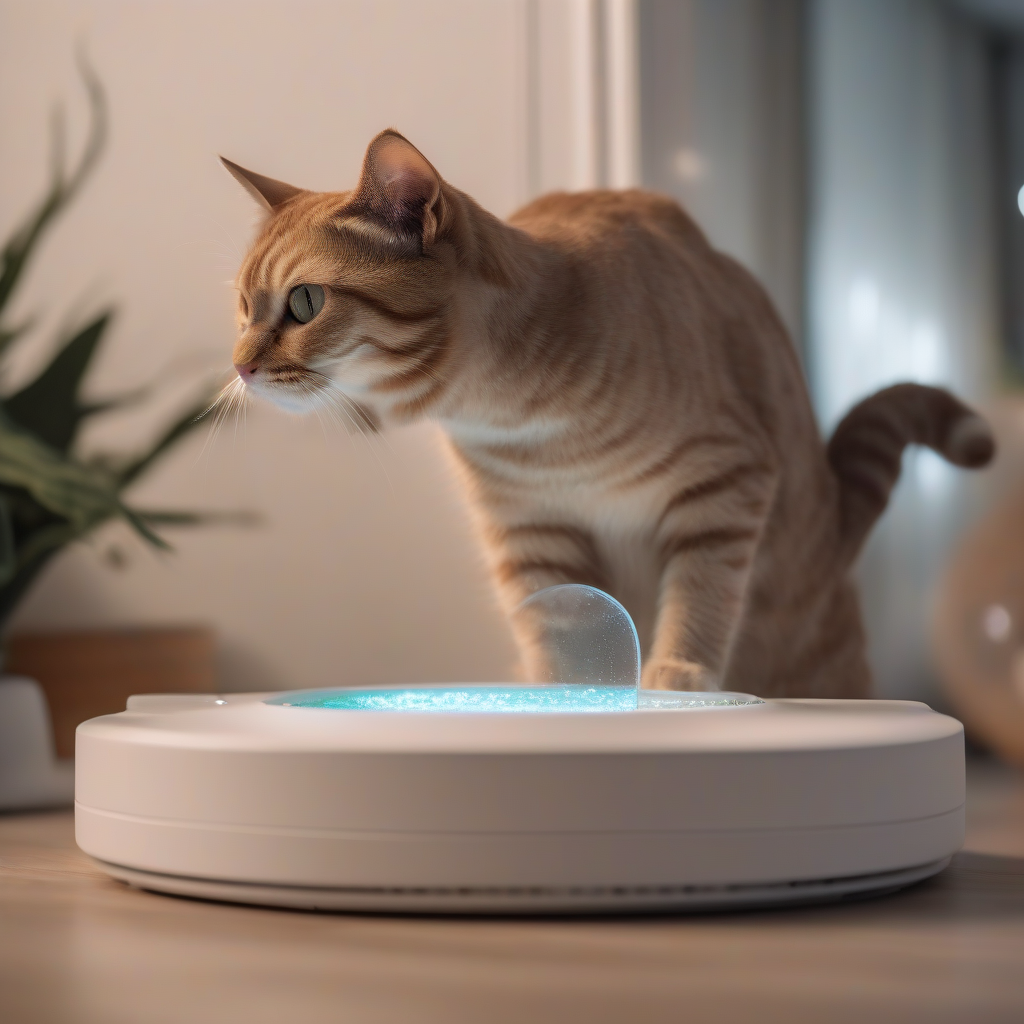
March 2026 Cat Trends: A Sensory Feast for Your Feline Friend with the 'Bio-Sensory Feeding Zone'!
March 2026 brings a revolution in pet technology and feeding habits, with cats at the forefront of these innovations. The 'Bio-Sensory Feeding Zone' concept, in particular, is gaining attention by aiming to satisfy not only the physical but also the sensory needs of our feline companions. This trend, going beyond traditional food bowls, transforms the cat's eating experience into a feast.
What is a Bio-Sensory Feeding Zone?
A bio-sensory feeding zone is a specialized feeding and water consumption area designed to mimic a cat's natural hunting and eating instincts, equipped with sensory stimuli. These zones are designed to activate the cat's sense of smell, touch, and even sight. The goal is to transform the cat's feeding moment from a routine into a mentally stimulating and enjoyable experience.
7 Secrets to Create or Discover a Bio-Sensory Feeding Zone:
1. Scent Tunnels and Aroma Compartments:
Considering cats' keen sense of smell, small aroma compartments placed around the food bowls allow the cat to 'smell' and 'explore' the food before starting to eat. These compartments can be filled with natural and safe aromas (e.g., dry herb extracts or mild plant scents). This triggers the cat's hunting instinct and ensures a more motivated feeding.
2. Varied Texture Surfaces:
The surfaces beneath or around the food bowls can alter the texture that the cat's paws come into contact with. For example, using different materials such as a smooth surface, a slightly textured one, or a soft silicone pad allows the cat to experience sensory diversity while eating. This helps the cat feel comfortable and find the feeding area more appealing.
3. Tactile and Visual Patterns:
The food bowls themselves can feature slight raised patterns, grooves, or distinct designs that the cat can easily interact with using its paws. This allows the cat to eat more controllably while also visually engaging them. Some designs may even include mechanisms that encourage slightly wobbling or vibrating kibble.
4. Water Walls and Flow Systems:
Not just solid food, but water consumption can also be turned into a sensory experience. Smart water dispensers allow water to flow gently, attracting the cat's interest. Some advanced systems can adjust the water flow rate or level according to the cat's preferences. This encourages the cat to drink more water and reduces the risk of dehydration.
5. Sound Waves and Frequencies:
Low-frequency, calming sound waves or specific frequencies known to be pleasing to cats can be integrated near the feeding area. This helps the cat relax and feed without stress. The inspiration for these sounds from natural environments (e.g., gentle wind or water sounds) can be more effective.
6. Smart Food Dispensing Systems:
Bio-sensory feeding zones can be integrated with smart dispensing systems that adjust the food portion based on the cat's weight, activity level, and eating speed. These systems serve the cat's food in small portions at specific intervals, better mimicking hunting and eating instincts. Some systems may also include mini-games that require the cat to 'work' for its next meal.
7. Personalized 'Sensory Profile' Creation:
One of the most innovative features in this area is the ability to personalize the feeding zone according to the cat's individual preferences. Via smart devices and apps, the cat's preferred scents, textures, and sounds are recorded, and the feeding zone is automatically adjusted accordingly. This ensures the cat has a unique and satisfying experience at every meal.
Why is This Trend Important in March 2026?
With the arrival of spring in March 2026, a desire for renewal and revitalization increases in both cats and humans. Bio-sensory feeding zones allow cats to fully experience this spring energy. Mental stimulation helps reduce problems like obesity, boredom, and behavioral issues in cats, while also strengthening their bond with their owners. These innovative approaches, which nourish not only the stomach but also the mind of your feline friend, are becoming indispensable for cat owners in March 2026.