March 2026's Viral Trend: The Revolution of Your Cat's 'Bio-Sensor Olfactory Lab'! 7 Steps to Sensory Discovery and Mental Wellness!
March 2026 is witnessing exciting innovations in pet technology and enrichment. This year's most prominent viral trend is the 'Bio-Sensor Olfactory Lab' concept, which focuses on deeply understanding cats' worlds through their sense of smell. This revolutionary approach is designed to comprehend the complex sensory perceptions of our feline companions and to stimulate them mentally. Here are 7 steps to help you bring this innovative trend into your home:
Why is Scent Important for Cats?
Cats perceive the world very differently from us. Their sense of smell is exponentially more developed than ours and serves as a fundamental tool for them to explore their environment, engage in social interactions, and even determine their emotional states. In March 2026, we are understanding this fact more deeply and emphasizing the importance of nurturing our cats' powerful sense of smell.
1. Introduce the Bio-Sensor Olfactory Test Kit
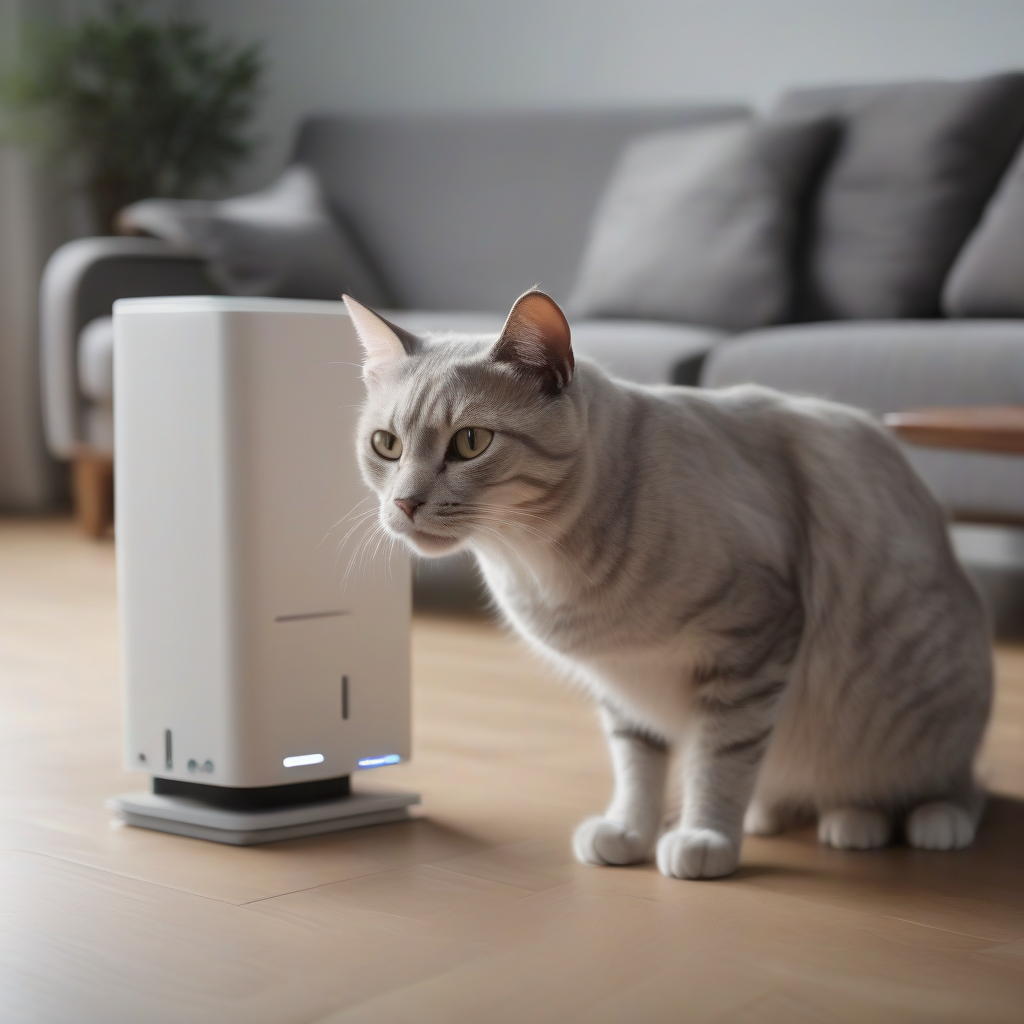
At the core of this trend are smart bio-sensors that monitor your cat's response to various scents. These kits collect data such as heart rate, breathing patterns, and even subtle physical reactions when your cat is exposed to specific aromas. This data is used to understand which scents relax them, which excite them, or which pique their interest.
2. Creating an Olfactory Profile: Unraveling Your Cat's 'Scent Signature'
By analyzing the data obtained from the bio-sensors, a unique 'olfactory profile' is created for each cat. This profile encompasses everything from your cat's favorite aromas to the scents they actively avoid. This personalized approach aims to meet your cat's sensory needs at the highest level.
3. Selecting Safe and Natural Aromas
One of the most crucial aspects of the trend is the exclusive use of essential oils and botanical extracts derived solely from sources safe for cats. While some scents like mint, chamomile, and lavender are generally well-tolerated by cats, others such as citrus or pine are among those to be avoided. Bio-sensors play a critical role in determining which scents are best for your cat.
4. Creating Scent Enrichment Zones
Design 'scent enrichment zones' within your home where your cat can spend enjoyable time. These areas are safe and controlled environments where your cat can explore and interact with scents. For instance, you can create a corner decorated with different natural materials (dried leaves, safe branches) and lightly scented with aromas specifically chosen for your cat.
5. Scent-Based Games and Exploration Activities
Design scent-based games to enhance your cat's mental stimulation. Games involving finding hidden treats, interacting with scent-releasing toys, or specially designed 'scent mazes' improve your cat's problem-solving skills and prevent boredom.
6. Aromatherapy for 'Meow-Therapy'
The concept of 'meow-therapy' is also on the rise in March 2026. This is a form of aromatherapy performed through controlled scent exposure to help cats relax when they are stressed or anxious. This method can be particularly effective before vet visits or during significant changes in the household.
7. Continuous Improvement Through Observation and Adjustments
Most importantly, constantly observe your cat's reactions. While bio-sensors provide you with data, understanding your cat's body language and behavior is also essential. By adjusting the scent palette and enrichment zones over time based on their responses, you can optimize your 'Bio-Sensor Olfactory Lab.'
This trend is a fantastic way to strengthen our bond with our cats and offer them a richer, more fulfilling life. March 2026 could be the beginning of this exciting journey into your cat's sensory world!