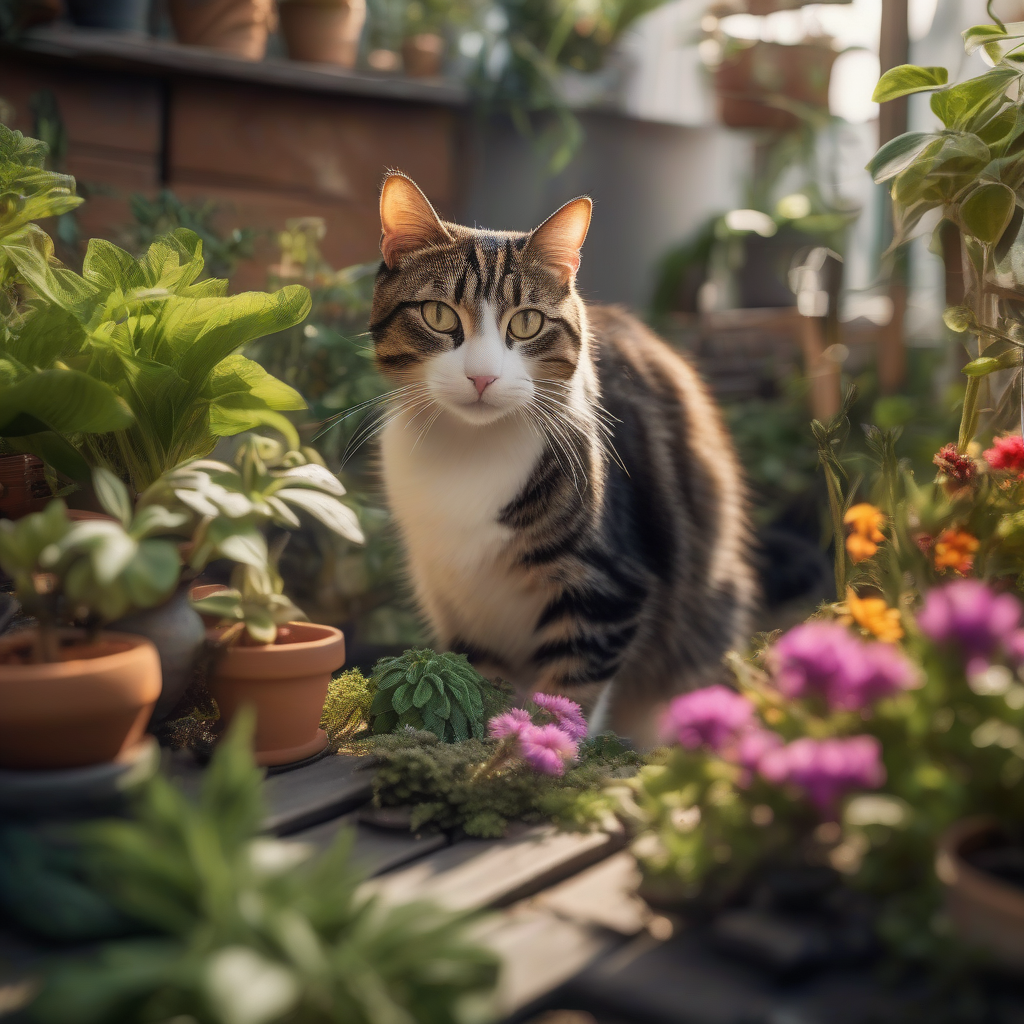
The Viral Trend of March 2026: Your Cat's Olfactory Journey with a 'Bio-Scent Garden'!
As of March 2026, innovative approaches to enhancing the quality of life for our furry companions are gaining increasing importance. Particularly, efforts to understand and enrich the complex sensory world of cats are forming the basis of the latest viral trend: the 'Bio-Scent Garden'. This concept offers a rewarding experience not only for cats but also for their owners. It's now possible to provide mental stimulation, reduce stress, and improve overall well-being by utilizing your cat's innate sense of smell. In this guide, we will delve into this exciting trend and explain, step-by-step, 7 smart ways to make your cat a happy scent explorer.
Why Create a 'Bio-Scent Garden' for Your Cat?
Cats perceive the world largely through scents. Their olfactory system offers a richer repository of information than even their sight or hearing. A 'Bio-Scent Garden' nurtures these natural instincts by offering your cat the opportunity to discover new scents in a safe and controlled environment. This is especially vital for indoor cats, who are deprived of the rich variety of scents the outside world offers. Novel and natural scents provide mental stimulation for your cat, prevent boredom, and contribute to a calmer disposition.
7 Smart Steps to Make Your Cat Happy with a 'Bio-Scent Garden':
Creating a 'Bio-Scent Garden' doesn't require expensive equipment or expertise. With the materials you have and a little creativity, you can create wonders for your furry friend.
1. Choose Natural and Safe Plants
Plants that are safe for cats will form the foundation of your scent garden. Herbs like catnip, valerian root, basil, parsley, and lemon balm emit scents that cats enjoy and are generally safe. You can plant these herbs in small pots or directly in a suitable corner of your garden (if you have one). Important Note: If you have outdoor cats, be sure to avoid any plants that might be toxic.
2. Use Different Textures and Heights
A scent garden isn't just about smells. You can enrich your cat's sensory experience by incorporating materials with different textures. For example, soft grassy areas, firm plant stems, smooth stones, or natural wood pieces to climb on. Planting at different heights will trigger your cat's exploration instincts and offer them different perspectives.
3. Safe Toys and Exploration Elements
Certain safe toys can be integrated into the scent garden to make the experience even more engaging. For instance, small fabric pouches filled with catnip, wooden balls made from natural materials, or wicker toys onto which you can spray safe scent sprays (specifically made for cats). These items encourage your cat to explore through both smell and play.
4. Place 'Hidden Treasures'
Occasionally hide objects that your cat loves or finds intriguing within the scent garden. This will activate your cat's hunting instincts. For example, you could hide their favorite small toy mouse or a special scented cloth among the plants. This 'hunting' activity helps keep your cat mentally active.
5. Integrate Seasonal Changes
With the arrival of spring in March 2026, you can add seasonal touches to your scent garden. Freshly budding plants, fallen leaves (safe varieties), or even safe and natural spring-scented sprays can be used. This helps your cat adapt to natural cycles and ensures there's always something new to discover.
6. Create 'Scent Stations'
Establish areas in different parts of your garden with distinct scent profiles. For example, a calming lavender scent in one corner and an invigorating mint scent in another. By observing which scents your cat responds to most, you can optimize these 'scent stations' over time.
7. Observe and Adapt
Most importantly, carefully observe your cat's reactions. Which scents do they like, and which do they avoid? In which areas do they spend more time? These observations will allow you to tailor the scent garden to your cat's preferences. You can continuously improve this garden according to your cat's individual needs and personality traits.
Viral Cat Trends and the 'Bio-Scent Garden'
In March 2026, trends focusing on cats' mental and emotional well-being are reaching their peak. The 'Bio-Scent Garden' is a natural extension of this broader trend. Its potential to help cats cope with stress, prevent boredom, and increase overall life satisfaction is rapidly popularizing it. This approach also aligns with scientific advancements aimed at understanding the complex sensory world of cats.
Conclusion
Allowing your cat to embark on a sensory exploration journey with a 'Bio-Scent Garden' is one of the most valuable gifts you can give them. With this simple yet effective method, you can enhance your furry friend's quality of life, making them a happier, healthier, and more balanced cat. Embrace this trend, which is breaking new ground in cat care in March 2026, and further strengthen your bond with your cat.