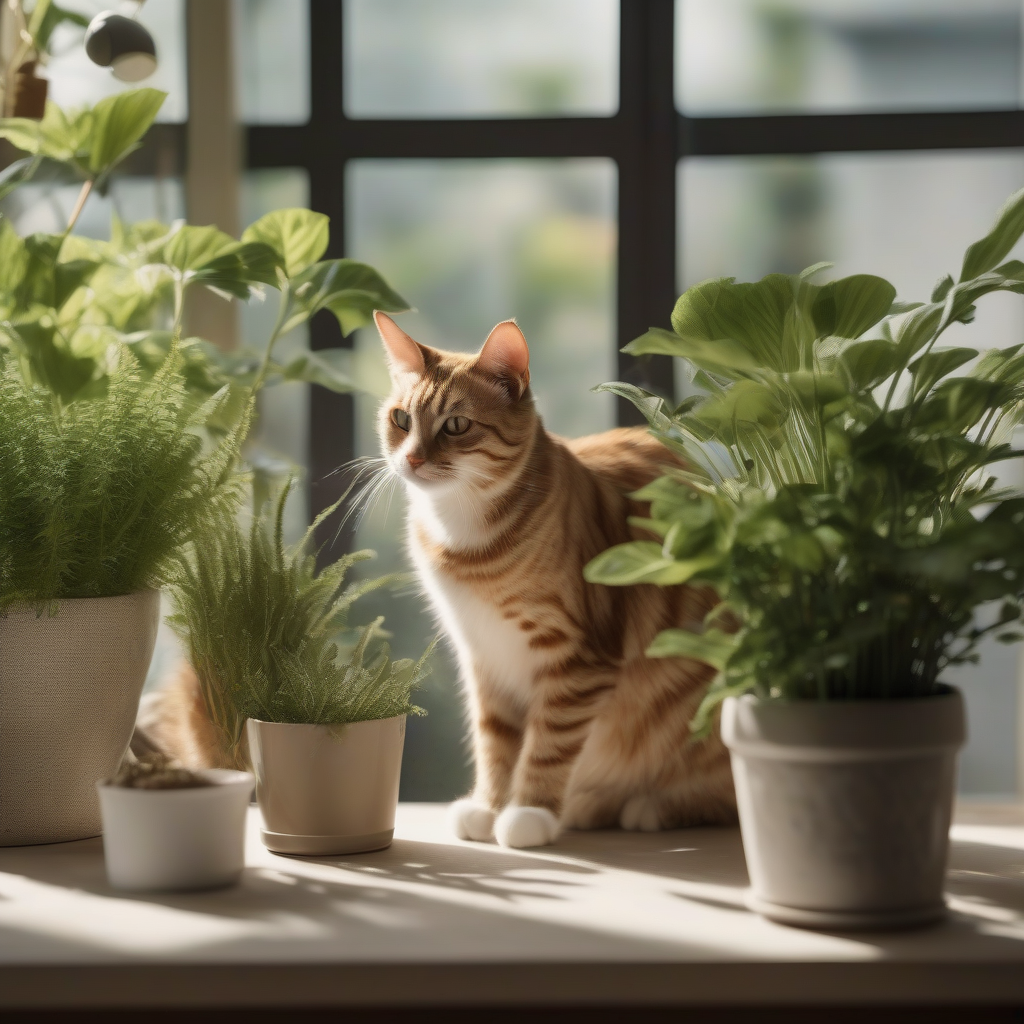
March 2026's Viral Trend: Your Cat's 'Bio-Ritual Scent Garden' for a Sensory Discovery Journey
March 2026 marks a new era in the pet world, with cats pushing the boundaries in sensory enrichment. Following previous years' topics like "Bio-Dynamic Sleep" and "AI Nutrition Plans," this spring season is turning all attention to nurturing cats' innate sense of smell. The "Bio-Ritual Scent Garden" trend offers an innovative approach that supports the mental and physical health of our furry companions, guides them towards their natural behaviors, and makes their indoor life more enjoyable. In this guide, we explain step-by-step how you can create your own "Bio-Ritual Scent Garden" where your cat can explore nature, sharpen its senses, and fully experience the spring energy, even indoors.
Why is a 'Bio-Ritual Scent Garden' Necessary for Cats?
Cats rely on their powerful sense of smell to explore and understand their environment. In their natural habitats, they constantly encounter new scents, which are the foundation of how they perceive the world and form memories. However, domestic cats can be deprived of this natural stimulation. The March 2026 "Bio-Ritual Scent Garden" trend aims to fill this gap. This special area creates an environment that supports both your cat's mental and physical health, reduces stress, and satisfies their instinctive behaviors.
Why is Enriching Cats' Sensory World Important?
- Mental Stimulation: New and varied scents keep your cat's brain active, prevent boredom, and support cognitive health.
- Stress Reduction: Natural and familiar scents have a calming effect on cats, reducing anxiety.
- Encouraging Natural Behaviors: Sniffing and exploring are natural cat behaviors. A scent garden allows them to satisfy these instincts.
- Bonding: Preparing and exploring the scent garden together strengthens the bond between you and your cat.
7 Steps to Creating a Viral 'Bio-Ritual Scent Garden' for Your Cat
This spring, roll up your sleeves to transform your cat's living space! Here's your step-by-step guide to creating one of the most popular cat trends of March 2026, the "Bio-Ritual Scent Garden":
Step 1: Location Selection – Your Cat's Secret Sanctuary
Choosing the most suitable location for the scent garden is critical for your cat to feel safe and comfortable. A quiet corner where they can explore independently but also see you is ideal. An area near windows, with natural light, or leading to a balcony can be a great starting point. If it's a place your cat has frequented or loved before, it's also a plus.
Step 2: Safe and Non-Toxic Plants – Building the Scent Palette
Selecting plants that are safe for cats is the most crucial step. Many houseplants can be toxic to cats, so only use approved plants. Some safe and fragrant plants that are viral in March 2026 include:
- Catnip: A well-known and loved option. It creates temporary euphoria and relaxation in cats.
- Valerian Root: Affects some cats similarly to catnip and has a calming effect.
- Rosemary: Emits a mild scent and is generally considered safe by cats. It has antioxidant properties.
- Lavender: Known for its calming scent, but should be used in moderation.
- Basil: Its sweet and refreshing scent can attract cats.
- Parsley: While more common for dogs, it can be tolerated and is beneficial for some cats.
Important Note: Each cat's reaction to plants can vary. Always introduce a new plant in small quantities and under supervision.
Step 3: Tactile Richness – Exploring Different Textures
Texture, as well as scent, is important for cats. Make the experience richer by adding different textures to your scent garden:
- Wooden Materials: Small logs, branches, or natural wooden pots.
- Natural Stones: Smooth stones of various sizes and shapes.
- Dried Grasses or Straw: Creates a relaxing and natural environment.
- Natural Fiber Rugs or Mats: Surfaces your cat can climb on and lie down on.
Step 4: Interactive Elements – Hidden Treasures and Games
Add some interactive elements to your garden to keep your cat's curiosity alive:
- Hidden Toys: Small mouse toys or feather balls can be hidden among the plants.
- Scent Clues: Strategically place your cat's favorite treats or toys in specific spots.
- Climbing Opportunities: You can add small tree branches or natural-looking climbing platforms.
Step 5: Water Feature – A Refreshing Touch
Another prominent trend in March 2026 is encouraging cats' interaction with water. A small tabletop fountain or waterfall will add a calming sound and a refreshing element to your scent garden. Many cats prefer drinking running water, and this is a great way to increase their hydration.
Step 6: Regular Maintenance and Refreshment – Freshness is Key
Regular maintenance is essential to keep your scent garden attractive and functional. Water the plants, clean off wilted leaves, and add new plants or scented elements at specific intervals to maintain the freshness of the scents. Time and again, rearrange toys and treats to keep your cat's interest alive.
Step 7: Observation and Adaptation – Listen to Your Cat's Needs
Every cat is different. After creating your scent garden, carefully observe your cat's reactions. Which plants does it show more interest in? Which textures does it love? Which play elements does it prefer? These observations will help you further adapt the garden to your cat's individual tastes and needs. Perhaps the next viral trend will be "Bio-Ritual Scent Gardens" personalized to your cat's unique scent profile!
Conclusion: Make Your Furry Friend Happy with a Sensory Revolution
The March 2026 "Bio-Ritual Scent Garden" trend offers a fantastic opportunity to enhance your cat's quality of life. With this simple yet effective practice, you can enrich your furry companion's sensory world, reduce its stress, and create a delightful space where it can exhibit its natural behaviors. By creating your own scent garden, you can both have fun with your cat and make a significant contribution to its health and happiness. Remember, every small step can be a source of great joy for your furry friend!