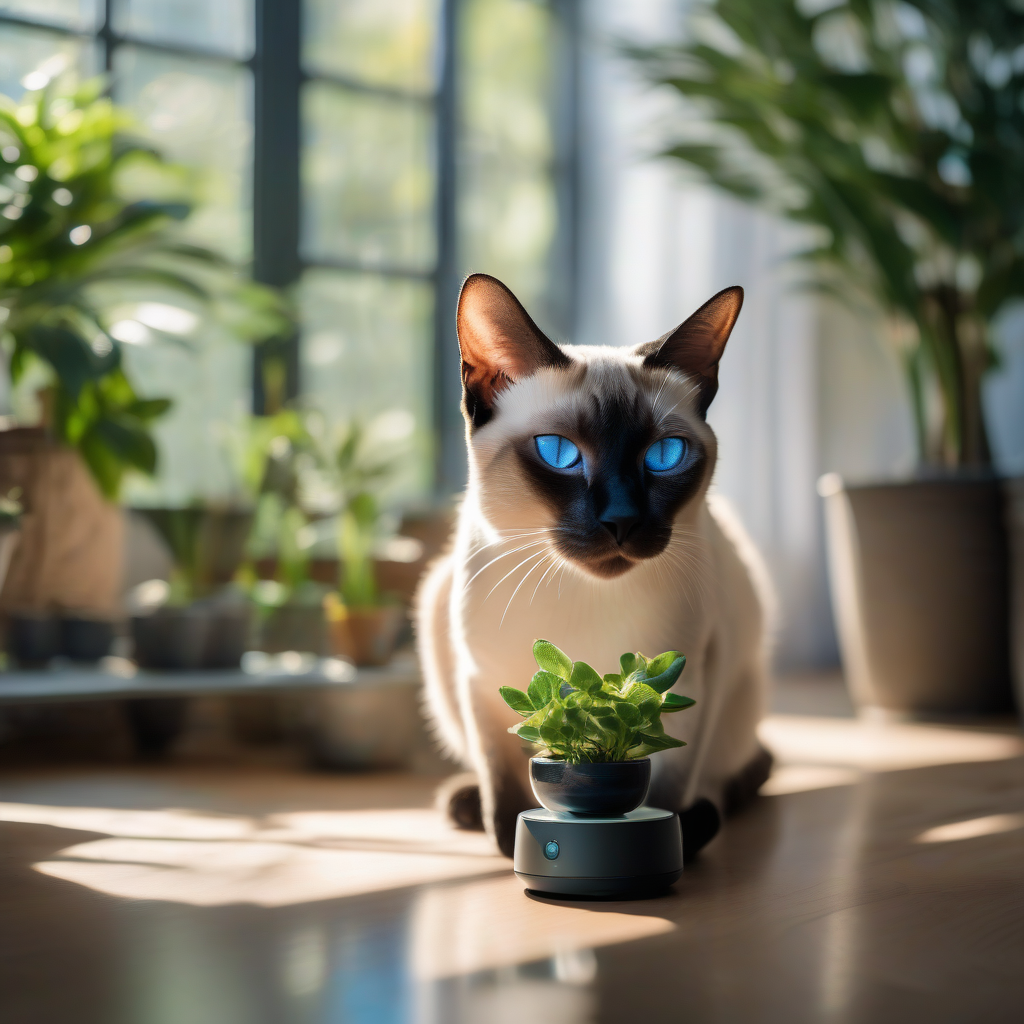
March 2026's Innovative Meow-Trend: Your Cat's Sensory Paradise with 'Bio-Harmonic Scent Therapy'!
As we step into March 2026, technology and scientific innovation are at the forefront of the pet world more than ever. Particularly cats are drawing attention with journeys into the depths of their sensory worlds. This spring, one of the most exciting trends aimed at enhancing the mental and physical well-being of our feline friends is 'Bio-Harmonic Scent Therapy'. This innovative approach aims to reduce stress, stimulate curiosity, and increase overall happiness by utilizing cats' sense of smell.
What is Bio-Harmonic Scent Therapy?
Simply put, Bio-Harmonic Scent Therapy is the art of offering specially designed scent blends to cats, leveraging their natural olfactory abilities. This term refers to biologically compatible and harmonic scents that adapt to the cats' physiology, psychology, and even their current moods, rather than using random odors. In March 2026, this therapy is becoming even more personalized through advanced algorithms and sensory analyses.
Why is it Important in March 2026?
Spring is a time of awakening and renewal for both humans and animals. In cats, an increased energy and desire for exploration are observed due to seasonal changes. During this period, external changes can sometimes be overwhelming for cats. Bio-Harmonic Scent Therapy facilitates this transition by providing cats with a safe and familiar sensory environment. Furthermore, the increasing stress levels and concerns about social isolation observed in the cat population in March 2026 make such holistic approaches even more valuable.
7 Smart Steps to Enrich Your Cat's Sensory World:
Creating a 'Bio-Harmonic Scent Garden' for your cat or enriching their existing spaces with this therapy is easier than it looks. Here are 7 smart steps to guide you on this journey:
1. Understand Scent Chemistry: The Miracle of Your Cat's Nose
Cats' sense of smell is many times more developed than that of humans. For them, scent is not just a stimulus but a way of perceiving the world. When creating your own 'Bio-Harmonic Scent Garden,' it's important to choose scents that naturally attract your cat, are refreshing, and provide a sense of security. Avoid chemical-based perfumes or artificial scents.
2. 'Bio-Inspired' Plant Selection: Nature's Secret Aromas
Plants that cats love and that are good for them are a great starting point for scent therapy. For example, lavender (calming), chamomile (relaxing), mint (invigorating), and catnip (fun and stimulating) can be used safely. Place these plants in pots at a height that your cat can easily reach but not chew.
3. Create 'Sensory Scent Mazes'
To keep your cat's curiosity alive, design small 'sensory mazes' that combine different scent notes. This can be done by strategically placing a few different scent sources (e.g., small sachets of dried lavender, small pieces of cloth dabbed with a few drops of catnip oil, safe and edible plant leaves).
4. 'Bio-Adaptive Diffusers' and Essential Oils (Use with Caution!)
One of the technological products highlighted in March 2026 is specially designed 'Bio-Adaptive Diffusers' for cats. These devices release scents in a controlled manner, taking into account the cat's sensory sensitivity. However, one must be extremely cautious with essential oils. Only high-quality, diluted oils known to be safe for cats (e.g., chamomile, lavender) should be used. Oils that can be toxic (like citrus, tea tree) must be strictly avoided.
5. 'Scent Breaks' and Relaxation Areas
Scent therapy does not mean your cat is constantly stimulated. Just like humans, they need rest. Alongside areas where you apply scent therapy, create completely calm, scent-free, and peaceful resting corners for your cat. This helps your cat balance their sensory experiences.
6. 'Social Scent Sharing' and Play Integration
If you have multiple cats, scent therapy can strengthen the bond between them. Sharing toys or items with their own scent marks encourages social interaction. You can make play sessions even more interesting by adding safe scents to toys.
7. 'Observation and Adjustment': The Art of Understanding Your Cat's Reactions
Every cat is unique. Carefully observe how your cat reacts to certain scents. If it shows signs of discomfort (hissing, running away, fur bristling), move away from that scent. If it shows interest, appears peaceful and curious, then this scent is suitable for it.
Conclusion: The Scent of Spring, Your Cat's Happiness
In March 2026, Bio-Harmonic Scent Therapy offers cat owners an elegant and effective way to improve their feline companions' quality of life. This trend, which combines the power of nature with science, will enable you to provide your cat with a happier, more balanced, and more peaceful life by enriching their sensory world. This spring, embark on an unforgettable sensory journey guided by your cat's nose!