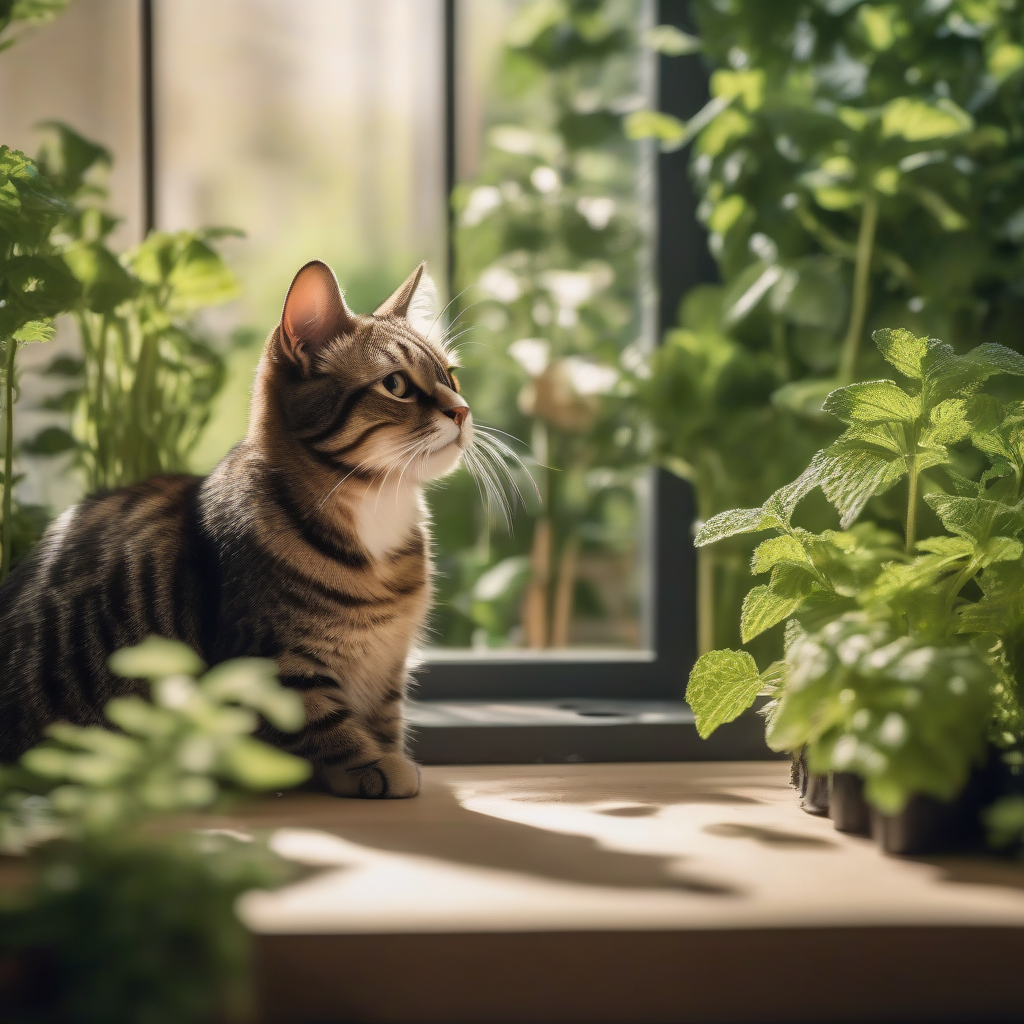
March 2026's Viral Discovery: Treat Your Cat to a Sensory Feast with a 'Bio-Aromatic Scent Garden'!
March 2026 marks a period of continuous innovation in the pet world. This month's standout viral trend is the "Bio-Aromatic Scent Garden," designed to elevate cats' sensory experiences. This innovative approach, aiming to fulfill our felines' instinctive needs and provide them with both mentally and physically satisfying spaces, has quickly captured the attention of millions of cat owners.
Why is a Bio-Aromatic Scent Garden So Important?
Cats perceive their environment primarily through scent. Smell forms the foundation of how they understand the world, communicate, and develop a sense of security. In today's modern living conditions, many cats are confined indoors, leading to a deprivation of natural olfactory stimuli. The "Bio-Aromatic Scent Garden" aims to rectify this deficit. By combining natural, cat-safe plants, essential oils (when used in the correct dosage and type), and specially designed scent diffusers, these gardens offer your cat a "sensory adventure course."
7 Smart Steps to Create Your Garden:
Creating an unforgettable scent experience for your cat doesn't have to be complex. Here are 7 steps to guide you:
1. Choose Safe and Cat-Appropriate Plants:
The cornerstone of a Bio-Aromatic Scent Garden is plants that are non-toxic to cats. Herbs like mint, catnip, fennel, and lemon balm naturally attract cats and offer them pleasant scents. When selecting these plants, start with small amounts and observe for any potential allergic reactions.
2. Integrate Natural Scent Sources:
Don't limit yourself to just plants. You can also add natural materials with gentle scents, such as dried lavender and chamomile, to your garden. The key is to avoid intense and synthetic fragrances, as your cat's sensitive nose is susceptible to irritating chemicals.
3. Create Different Textures and Heights:
Cats interact with their environment not only through scent but also through texture. Combine different textures in your garden, such as soft mosses, smooth stones, and natural wood pieces. Additionally, remember that cats love to climb and observe their surroundings from above. Creating different levels will make the garden more engaging.
4. Establish a Quiet and Calm Corner:
The Bio-Aromatic Scent Garden is not just a play and exploration area; it should also be a sanctuary where your cat can rest, hide, and feel secure. Quiet corners will serve as spaces where your cat can de-stress and find peace.
5. Balance Sunny and Shady Areas:
Cats enjoy basking in the sun but also dislike overheating. Create both sunny and shaded areas in your garden, offering your cat places where it can rest according to its preference.
6. Tech Integration for Bio-Synergy (Optional):
Inspired by March 2026's technology-focused trends, you can use smart scent diffusers or bio-sensor scent emitters. These devices can detect your cat's presence and release natural, safe aromas in a controlled manner, enhancing the sensory experience. However, when using such technologies, always adhere to the highest standards of safety and naturalness.
7. Observe and Adjust:
Every cat is an individual. After creating your garden, carefully observe your cat's reactions. Which plants does it show more interest in? Which areas does it use more frequently? Make necessary adjustments to your garden based on these observations to create the most suitable and satisfying experience for your cat.
The Impact of Viral Scent Trends on Cats:
The "Bio-Aromatic Scent Garden" trend is more than just a fun novelty; it's a conscious step towards improving cats' quality of life. Such sensory enrichments reduce stress levels in cats, decrease obsessive behaviors, and enhance their overall well-being. The rapid spread of this trend in March 2026 indicates that cat owners are placing greater importance on their felines' mental and emotional needs.
Frequently Asked Questions (FAQ):
- Which plants are definitely harmful to cats? Lilies, plants from the lily family, poinsettias, and dieffenbachia are toxic to cats and should be strictly avoided.
- Can I use essential oils? Only use oils known to be safe for cats (e.g., 100% pure and diluted lavender or chamomile oil) and in very small quantities, placed where the cat cannot directly contact them. Some oils, like tea tree oil, are extremely toxic to cats.
- Does catnip affect all cats the same way? No, approximately 70-80% of cats react to catnip. Some cats may not show any reaction.
This March 2026, strengthen your bond with your cat by offering it this sensory feast and nurture its passion for exploring its world. Remember, their happiness is your happiness!