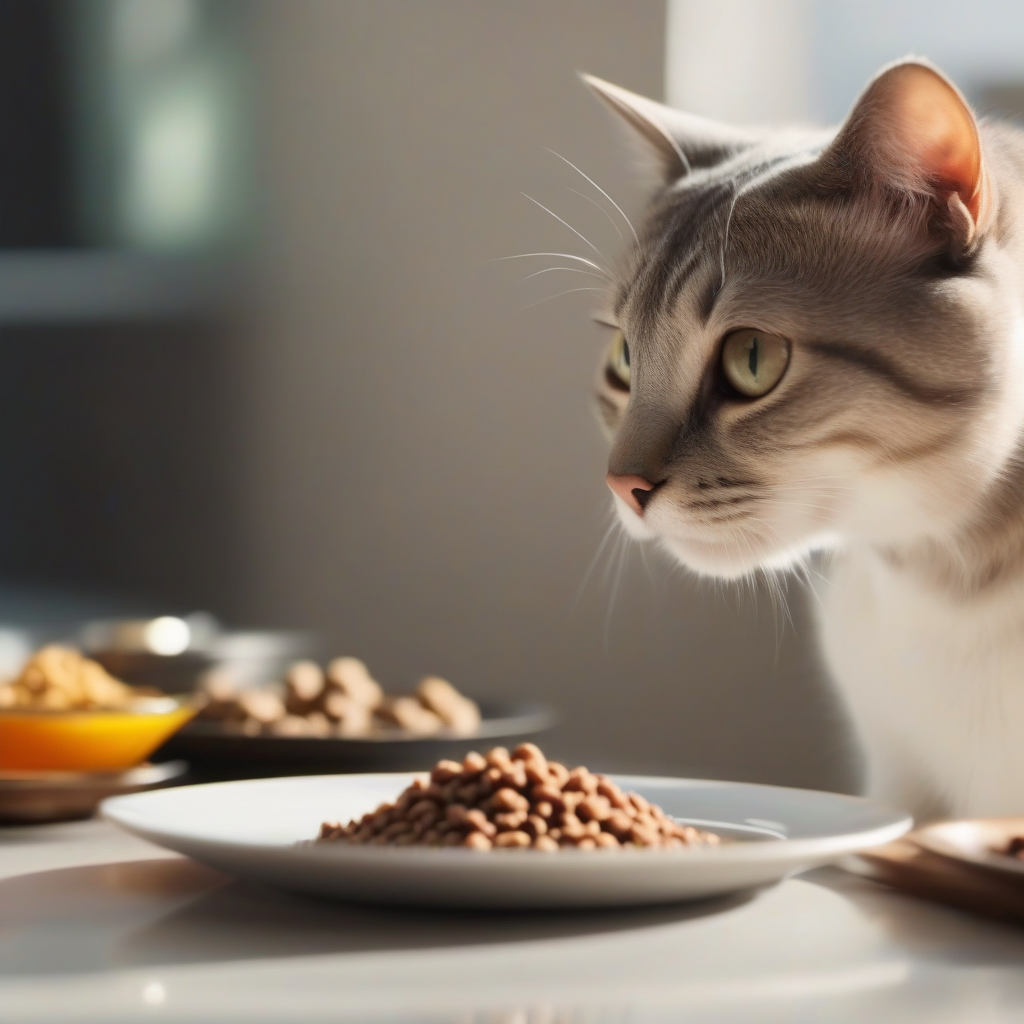
March 2026's Meow-Gourmet Revolution: Discover Your Cat's 'Bio-Aromatic Flavor Profile'! Create Personalized Gourmet Experiences for Your Feline Friend in 7 Steps!
March 2026 marks a groundbreaking shift in feline dietary habits. Moving beyond mere sustenance, the focus is now on 'bio-aromatic flavor profiles' that cater to our furry companions' unique genetic makeup, sensory preferences, and even their daily moods. This revolutionary approach aims to provide a gourmet experience that not only satisfies their hunger but also stimulates their senses and enhances their overall well-being.
What is Your Cat's Bio-Aromatic Flavor Profile?
Every cat possesses a distinct set of taste, smell, and texture perceptions. A bio-aromatic flavor profile is a guide created by scientifically combining these individual feline preferences. By analyzing your cat's responses to specific tastes, smells, and food textures, this profile helps determine the most appealing and easily digestible nutritional options for them.
A 7-Step Guide to Creating Personalized Gourmet Experiences for Your Cat:
In this section, we will explore the nuances of unlocking your cat's bio-aromatic flavor profile and offering them a world rich in flavor:
Step 1: Comprehensive Observation and Record-Keeping
The initial step involves meticulously observing your cat's current eating habits. Which foods do they approach with more enthusiasm? Which ones do they reject? What are their reactions while eating? By keeping a feeding journal, you can record details such as the type of food, the amount consumed, the aroma of the meal, and your cat's behavior. This data will provide valuable insights in the subsequent steps.
Step 2: Understanding the Role of Olfaction
Cats' sense of smell accounts for approximately 70% of their sense of taste. Therefore, the aroma of the food is one of the most significant factors triggering your cat's appetite. Test how different protein sources (chicken, fish, lamb, salmon, etc.) and herbal essences (like cat-safe rosemary or mint) capture your cat's interest. Experimenting with small quantities of various scents will help you understand their olfactory preferences.
Step 3: Experiments on Taste Perception
Cats' taste buds differ from humans', and they generally do not perceive sweetness. However, they can have varying sensitivities to umami (savory tastes), bitterness, and saltiness. Discover their taste preferences by offering small amounts of different protein-based wet foods or safe food items (such as plain boiled chicken broth). The way your cat licks, chews, and reacts after swallowing can offer clues about their taste perception.
Step 4: The Importance of Texture and Consistency
Cats place great importance on texture in their dining experience. Some cats prefer pureed foods, while others may favor chunks or more granular textures. By trying out different textural options offered by various brands and products, you can determine which consistencies elicit a more positive response from your cat. This applies to both dry and wet foods.
Step 5: Exploring Bio-Adaptive Food Options
In March 2026, 'bio-adaptive' foods that can be customized according to cats' lifestyles and health conditions are gaining popularity. These foods are formulated considering your cat's age, activity level, allergies, and even seasonal needs. Consult with your veterinarian to evaluate bio-adaptive food options for your cat.
Step 6: Personalized Treats and Rewards
In addition to daily nutrition, specially prepared or selected treats for your cat strengthen your bond and make the feeding experience more enjoyable. Opt for treats with flavors and textures your cat loves, but that have healthy ingredients. You can prepare completely natural treats tailored to your cat's palate using DIY recipes.
Step 7: Continuous Communication with Your Veterinarian
It is crucial to maintain close contact with your veterinarian while establishing your cat's bio-aromatic flavor profile and regulating their feeding habits. Your veterinarian will assess your cat's overall health, identify potential allergies or dietary issues, and guide you in creating the most suitable nutritional plan. Remember, a healthy cat is a happy cat!
Conclusion:
In March 2026, cat nutrition is transforming into a field where science and love converge. Understanding your cat's 'bio-aromatic flavor profile' and offering them personalized gourmet experiences will significantly enhance not only their physical health but also their mental vitality and overall happiness. Are you ready to usher in a new flavor revolution in your furry friend's culinary world?