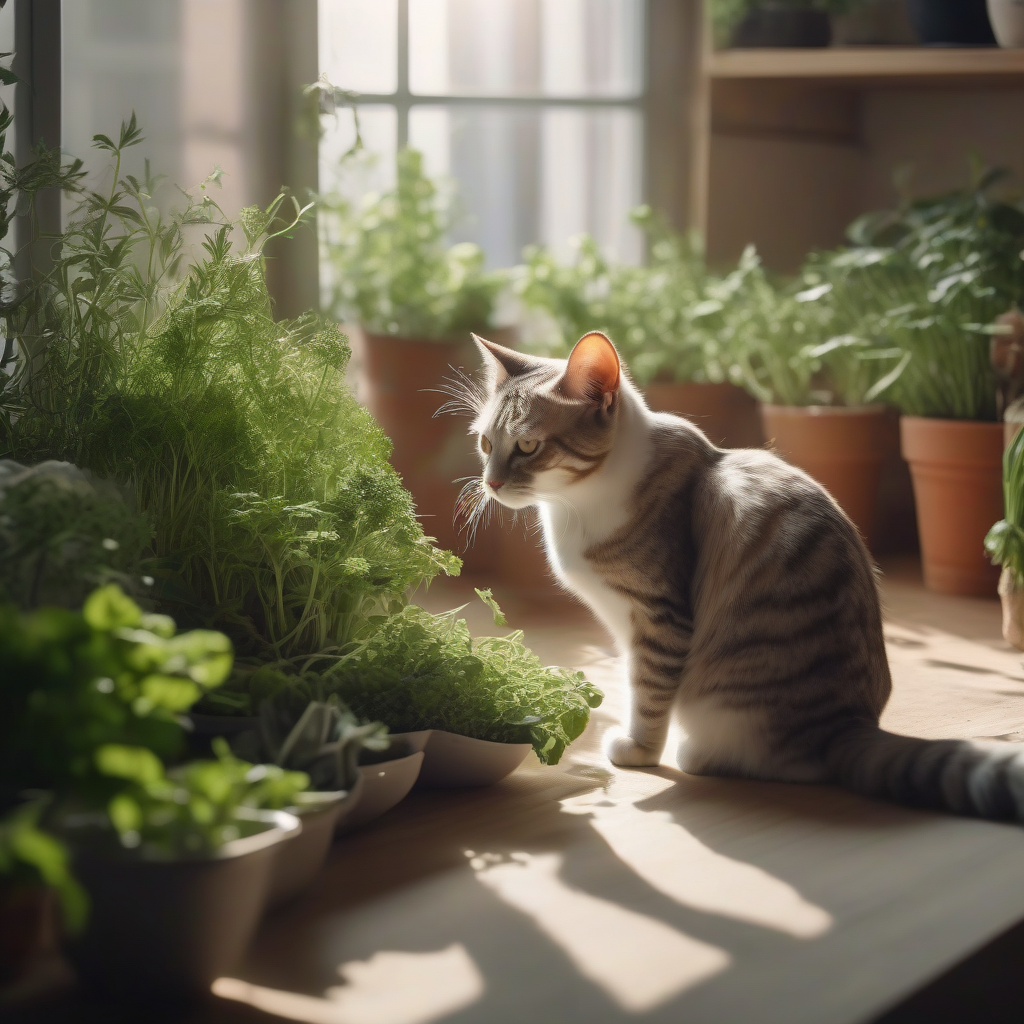
March 2026's Mysterious Meows: Your Cat's 'Bio-Adaptive Scent Garden' for a Sensory Exploration Journey
As we step into March 2026, innovative and sensory-focused approaches in pet care continue to gain momentum. The effort to understand and enrich the complex sensory world of cats is particularly highlighting the 'Bio-Adaptive Scent Garden' trend. This concept aims to create a constantly evolving scent experience zone that adapts to your cat's individual preferences and momentary needs. So, how can you create such a paradise for your furry friend?
Why is the 'Bio-Adaptive Scent Garden' the Viral Topic of March 2026?
While 'Bio-Sensory' approaches gained popularity in previous years, the 'Bio-Adaptive' feature is taking the spotlight with March 2026. This means the scent garden is moving beyond being static to adapt to your cat's mood, time of day, and even seasonal changes. Scientific research shows that cats' sense of smell has a direct impact on their mental health, stress levels, and overall well-being. Therefore, creating a 'Bio-Adaptive Scent Garden' to enhance your cat's mental stimulation and happiness is becoming one of the most significant trends of 2026.
Create a Viral 'Bio-Adaptive Scent Garden' for Your Feline Friend in 7 Steps
When creating this innovative space, it's crucial to consider your cat's unique personality and preferences. Here are 7 steps to inspire you:
1. Understanding Root Qualities: Discover Your Cat's 'Scent Palette'
Every cat has different favorite scents. Some may prefer the freshness of citrus, while others might be drawn to earthy notes or mild herbal aromas. By observing your cat's reactions to objects in its environment, you can determine its 'scent palette.' Which plants does it pause longer near? Which materials' scents pique its curiosity the most? These observations will form the foundation of your garden.
2. Plant Selection: Safety and Sensory Richness
Safety is always the top priority when choosing plants for your cat. Non-toxic plants should be preferred, and caution should be exercised with plants your cat tends to chew or eat. Plants like mint, catnip, basil, rosemary, and lavender are both safe and appealing to cats.
3. Texture and Layering: A Three-Dimensional Scent Experience
A scent garden is more than just plants. Adding surfaces with different textures (e.g., soft mosses, smooth stones, natural wood pieces) stimulates your cat's tactile senses. By placing plants and objects at different heights, you can create a vertical space for your cat to explore, satisfying its natural climbing and exploring instincts.
4. Dynamic Scents: Surprises That Change Over Time
The core of the 'Bio-Adaptive' feature lies in the ability of scents to change over time. For example, some plants' scents might be more intense in the morning, while others become more prominent in the evening. You can also add small wooden blocks or natural fabric pieces that release scent when your cat plays or rubs against them. This ensures a different experience with each visit.
5. Creating 'Scent Stations': The Art of Offering Choices
Offer your cat different scent experiences in specific areas. One corner might feature calming lavender and chamomile, while another could have energizing catnip and mint. These 'scent stations' allow your cat to choose the one that best suits its current mood, giving it a sense of control and reducing stress.
6. Scent Integration: Natural and Artificial Elements
You can also integrate existing indoor spaces into this scent garden. For instance, placing a pillow with a light mint scent near your cat's sleeping area can aid in pre-sleep relaxation. Additionally, smart scent diffusers (used safely and in low doses for cats) can be used to release specific aromas in a controlled manner.
7. Observation and Adaptation: Continuous Evolution
The most crucial step is to continuously observe your cat's reactions. Which scents does it prefer, and which does it reject? In which areas does it spend more time? Adapt your scent garden based on these feedback. This dynamic approach ensures you create an environment that always captivates your cat and keeps it mentally stimulated.
Conclusion: A Sensory Revolution for Your Feline Friend
In March 2026, the 'Bio-Adaptive Scent Garden' trend for cats offers innovative and personalized solutions to enhance the quality of life for our feline companions. Investing in this area will directly contribute to your cat's physical and mental health, further strengthening your bond. Remember, a happy cat means a happier home!