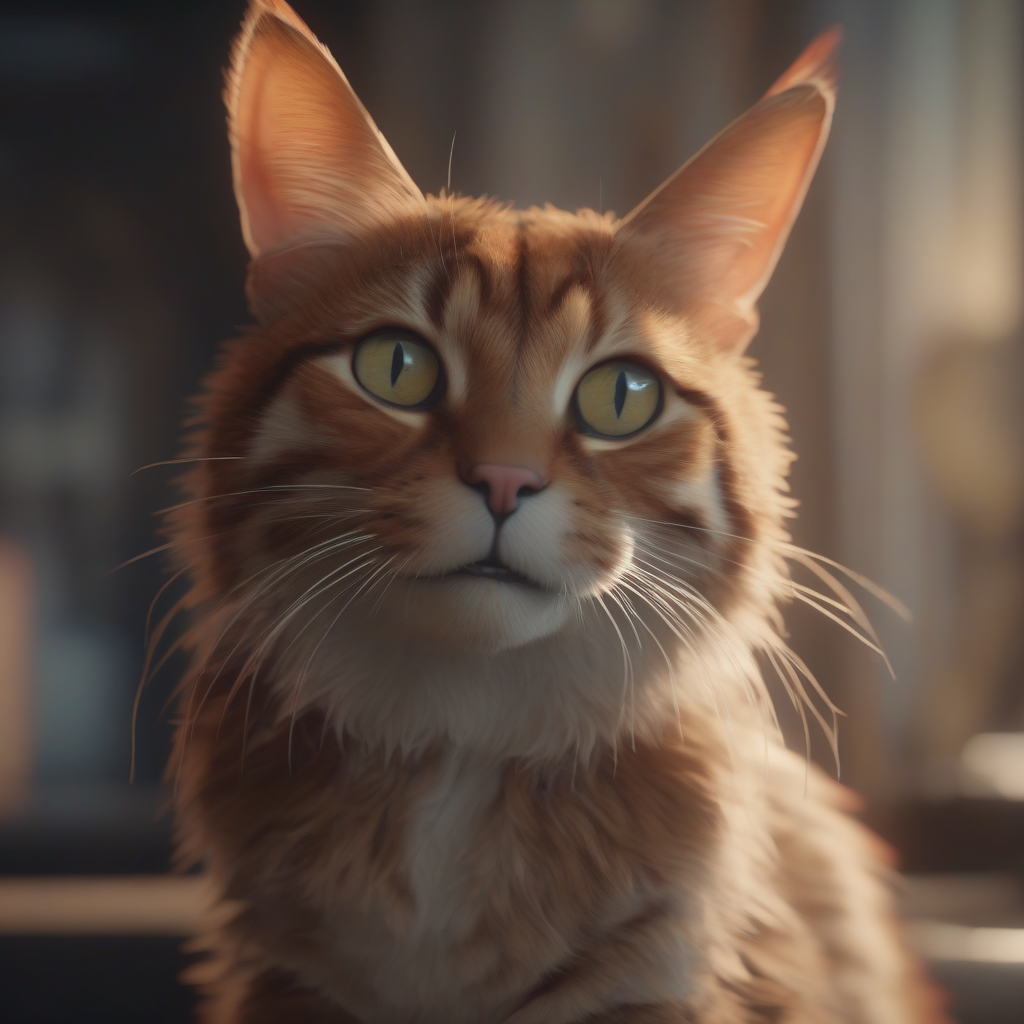
A-Z Cats: Caracat – The Elegant Hybrid with a Wild Gaze at Home
In the depths of the feline world, there exist rare and striking breeds that combine the grandeur of the wild with the warmth of a domestic companion. The Caracat is one such special breed. Its name is a portmanteau of "Caracal" and "Cat," and it lives up to its name perfectly: a captivating hybrid that blends the Caracal's graceful physique and impressive ear tufts with the affectionate nature of a domestic cat. Are you ready to embark on a journey into the world of this exotic beauty with Sen YuDo Pet?
Origins and Development of the Caracat
The Caracat is a hybrid cat resulting from the crossbreeding of a wild Caracal (Caracal caracal) and a domestic cat (Felis catus). The primary goal behind creating this breed was to introduce the Caracal's athletic build, distinctive ear tufts, and wild allure into a cat form that is more adaptable to a home environment. The first Caracat hybrids emerged experimentally in the late 1990s in Russia and the United States. However, this crossbreeding process is notoriously difficult and does not always yield successful results. Due to the large and wild nature of the Caracal, Caracat kittens are typically born larger and inherit many traits from their wild ancestors. Consequently, the Caracat breed is quite rare, with only a limited number of breeders worldwide.
The lineage of the Caracat typically begins with the F1 generation (first generation, a direct cross between a Caracal and a domestic cat). In subsequent generations (F2, F3, etc.), domestic cat genes become more dominant, and the wild characteristics of the cats soften. However, F1 Caracats are the most similar to their wild ancestors and are often the most sought after. The legal status and ownership conditions for these cats can vary from country to country, as possessing hybrid cats with wild animal lineage may require special permits in some regions. In the development of this rare breed, a careful breeding program is vital to maintain genetic diversity and minimize potential health issues.
Physical Characteristics: A Powerful and Elegant Silhouette
The Caracat is a medium to large-sized cat known for its athletic and muscular build. It typically has short fur, which is dense and smooth, similar to that of the Caracal. Their coats can range from tawny, reddish-brown, sand, black, or blue, and some individuals may display Caracal-like spotting or striping. Their glossy and vibrant coats further enhance their wild beauty.
However, the most striking feature that truly distinguishes the Caracat is its long, pointed ears with prominent black tufts at the tips, inherited from its wild Caracal ancestor. These ears give them an instantly recognizable, exotic, and noble appearance. Their eyes are usually almond-shaped and amber-toned, contributing to their wild gaze. Their legs are long and powerful, granting them excellent jumping and climbing abilities. Their tail is medium in length and thick. Males are generally larger and more muscular than females, with weights ranging from 8 to 15 kg (18 to 33 lbs). These dimensions and strong build clearly set them apart from other domestic cat breeds.
Caracat Temperament and Personality: Wild Spirit, Domestic Heart?
By nature, Caracats possess a complex temperament, embodying both the instincts of their wild ancestors and the affection of domestic cats. They are highly intelligent, curious, and energetic felines. They have a strong prey drive and love to play, chase, and climb. Therefore, providing them with a spacious, secure, and mentally stimulating environment is essential. Boredom can lead to undesirable behaviors.
They can be social and people-oriented, but they often tend to bond strongly with a single individual or family member. This bond can be deep and loyal. Training requires patience and consistency. Similar to dogs, they can be leash-trained and respond to commands. However, they may be reserved with strangers, and adapting to new environments can take time, highlighting the importance of early socialization. They might not be suitable for families with young children or other small pets, as their strong prey drive could pose a danger to smaller animals. Prospective Caracat owners are advised to be experienced cat owners who can accommodate these cats' high energy levels and specific needs. Without sufficient attention and stimulation, they may exhibit destructive behaviors.
Caracat Care and Health
Caring for Caracats requires more attention and resources than an average domestic cat.
- Nutrition: Feeding them high-quality, high-protein cat food is crucial. A meat-based diet, similar to their wild ancestors', is ideal. A raw diet is also preferred by some owners, but professional veterinary guidance is essential in this regard. High-grain foods should be avoided.
- Grooming: With their short coats, grooming is generally easy. Weekly brushing helps remove loose hair and reduces shedding. They rarely require special grooming products.
- Exercise and Mental Stimulation: Caracats have high energy levels and require ample exercise. A large home, a secure outdoor enclosure, or a catio (cat patio) can be beneficial. Climbing trees, interactive toys, puzzle feeders, and daily play sessions are vital for their mental and physical well-being. Encouraging them to explore frequently satisfies their instincts.
- Health: Hybrid breeds can sometimes benefit from "hybrid vigor," potentially leading to better overall health. However, comprehensive information regarding genetic predispositions or specific health issues in hybrids like the Caracat, originating from wild ancestors, is still limited. Regular veterinary check-ups, vaccinations, and parasite control are as important for Caracats as they are for all cats. Their average lifespan can range from 12 to 15 years. Regular dental care and general health screenings help ensure they lead a long and healthy life.
Is a Caracat the Right Pet for You?
Adopting a Caracat is a decision that demands significant responsibility and commitment. While these cats are captivating with their beauty and exotic charm, their special needs stemming from their wild genes should not be overlooked. If you have a spacious living environment, lead an active lifestyle, are experienced in cat behavior, and are prepared for both the challenges and rewards that an exotic companion brings, a Caracat could be a wonderful friend for you. However, this breed requires much more than an ordinary domestic cat and necessitates special environmental arrangements. It is also crucial to inquire about legal permits and regulations beforehand. Remember, Caracats are not just pets; they are a reflection of the wild within your home.
At Sen YuDo Pet, we believe that every cat deserves a healthy and happy life. For special breeds like the Caracat, accurate information and responsible ownership are paramount.