Caracal: The Silent Hunter and Gentle Companion of the African Savannas
Across the vast savannas of Africa, there roams a mysterious creature with imposing ears and graceful strides: the Caracal. Often known as the 'desert lynx,' this magnificent cat captivates with its wild beauty, sharp hunting skills, and surprisingly gentle nature.
Origin and History: The Velvet Legacy of the Desert
The Caracal (Caracal caracal) is a species native to the arid and semi-arid regions of the Middle East, Africa, and Central Asia. Its name is derived from the Turkish word 'karakulak,' meaning 'black ear,' highlighting its most distinctive physical feature. While Caracals have a history intertwined with humans in these regions for centuries, their recognition as a domestic cat breed is relatively recent. Despite their wild nature, their potential to become wonderful companions with proper socialization has elevated them to a special status.
Physical Characteristics: Majestic Grace
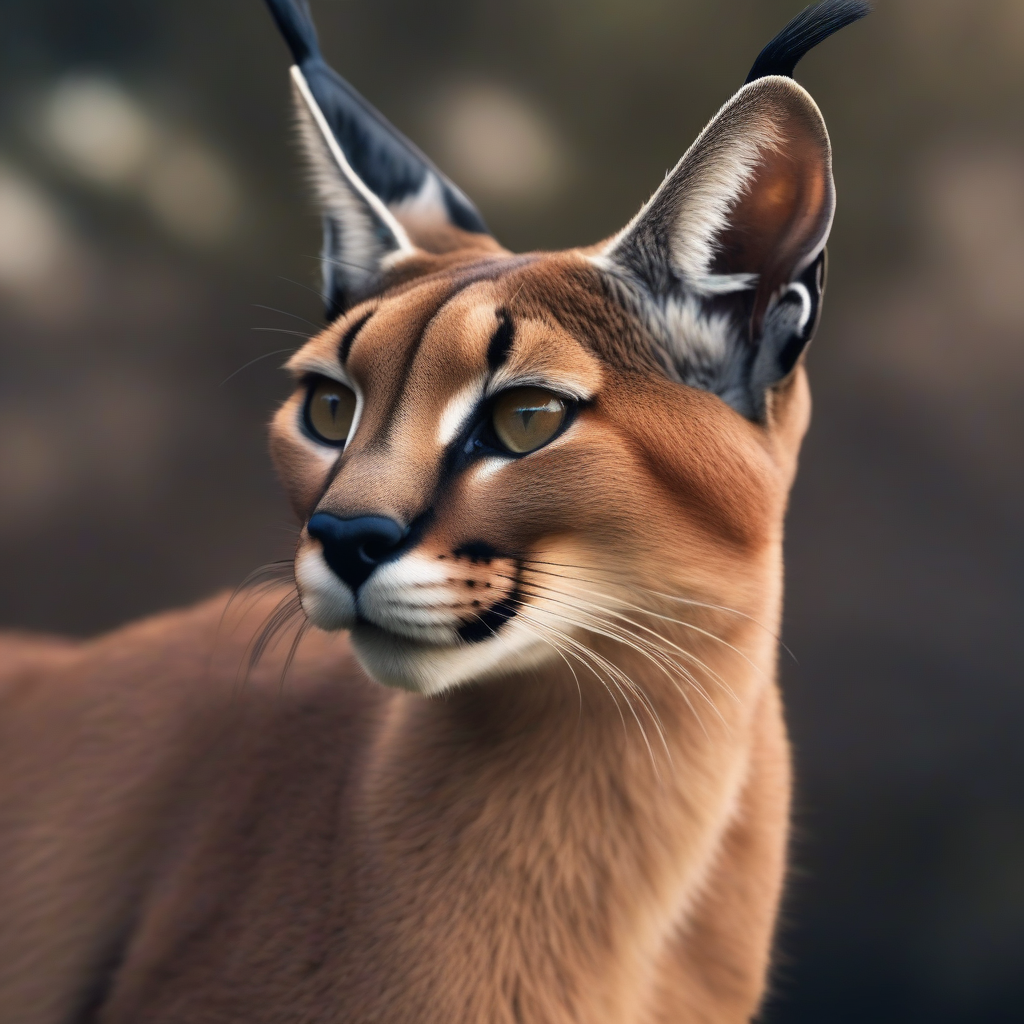
The Caracal is a medium-sized cat, typically reaching lengths of 60-100 cm, with a tail length of 30-40 cm, and weighing between 10-20 kg. Its most striking feature is its large, erect, black-tipped ears, which are almost half the length of its head. These ears not only provide an aesthetic appeal but also help them detect the slightest sounds of their prey. Their bodies are lean and muscular, with long legs enabling them to make impressive leaps. Their fur is usually sandy, reddish-brown, or tawny, blending perfectly with the colors of the savanna, especially at sunset.
Temperament and Behavior: A Wild Spirit, a Gentle Heart
In their natural habitat, Caracals are highly independent animals that prefer to hunt alone. However, when socialized with humans from an early age, they can become incredibly affectionate and loyal companions. They are intelligent, curious, and playful. They require ample space and mental stimulation to expend their energy. Games, climbing trees, and puzzle toys play a crucial role in keeping them happy and balanced. However, it's important to remember that they carry the genes of their wild ancestors; therefore, they require a patient, understanding, and consistent approach to upbringing.
Care and Health: Special Needs
Caring for a Caracal requires more specialized attention than for typical domestic cats. Their diet should be high in protein and meat-based. Special cat foods recommended by your veterinarian or a balanced homemade diet are critical for their healthy life. Regular veterinary check-ups, vaccinations, and parasite treatments are essential. Due to their wild nature, they love to climb and perch in high places. Thus, creating safe and adequate climbing spaces at home is important. Their short fur is relatively easy to maintain, but regular brushing helps reduce shedding and fosters bonding.
A Caracal at Home: A Rare Experience
Owning a Caracal is more than just a typical cat experience; it's an opportunity to form a loving bond with a majestic wild animal while respecting its natural needs. When raised with patience, knowledge, and love, the Caracal can become the most quiet, gentle, and mysterious member of the household. Venturing into their fascinating world is a privilege to live alongside one of nature's most beautiful and extraordinary creatures.
It is our collective responsibility to learn more about these special cats, respect their habitats, and take conscious steps to protect their wild nature. The Caracal, as a silent legacy of the African savannas, must continue to exist for future generations.