The Silent Legacy of the Caracal: Africa's Mysterious Hunter and Gentle Companion
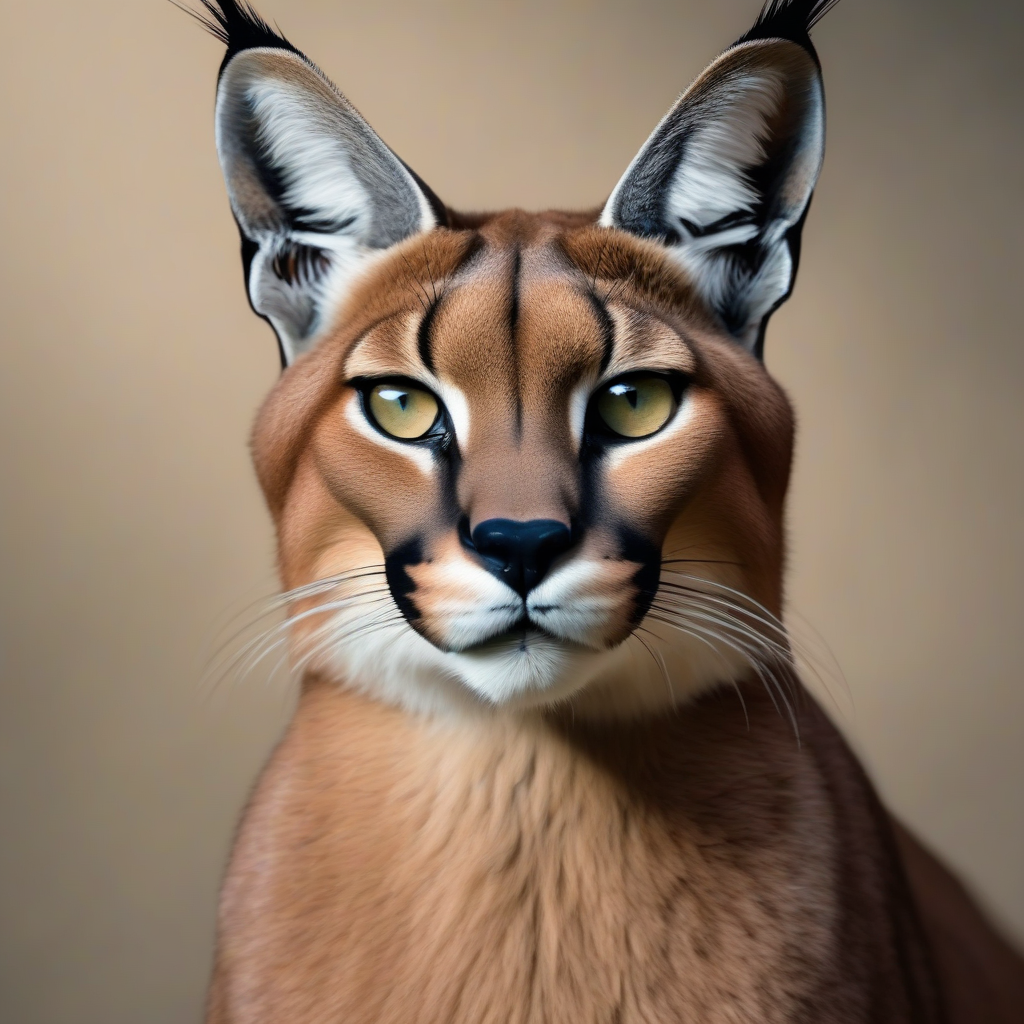
On the vast savannas of the African continent, gliding silently over the sands, a cat species draws attention with the unique tufts on its ear tips: the Caracal.
Known scientifically as 'Caracal caracal,' this elegant creature, at first glance resembling a wild leopard cub, is in fact a species with its own distinct characteristics, independent and intelligent.
Physical Characteristics and Habitat of the Caracal
Caracals have a lean, muscular body, weighing an average of 30-40 kg. Their reddish-brown coat is one of their most prominent features, providing excellent camouflage in their savanna environment. Their long, slender legs make them fast runners and expert leapers. The black fur tufts, about 4-5 cm long, on top of their ears act like antennae, allowing them to perceive the slightest sounds.
Found in Africa, as well as parts of the Middle East and India, the Caracal typically prefers savannas, scrublands, and semi-desert regions. They tend to hide and rest in hot, dry areas during the day, beginning their hunts in the evening. They are very successful hunters, preying on rodents, birds, insects, and even small antelopes, using their masterful stalking and sudden leaps to catch their prey.
Behavior and Social Structure
Caracals are naturally solitary animals. They establish their own territories and generally live alone within these areas. They do not interact much with other Caracals outside of the breeding season. This independence can present some challenges in adapting them to domestic environments.
However, with the right approach and early socialization, Caracal kittens can become incredibly affectionate and loyal domestic companions. Their intelligence, playfulness, and devotion to their owners set them apart from other exotic animals.
Domestic Companionship with a Caracal: The Unknowns
Owning a Caracal requires a significantly different level of responsibility than owning a common pet. These special cats require a habitat that suits their wild nature, specialized diets, and ample mental and physical stimulation.
- Diet: The diet of a Caracal should be primarily meat-based, containing high-quality protein. A diet including the prey's bones, organs, and meat, as they would consume in the wild, is essential for their health. When using commercial food, high-protein, grain-free specialized formulas should be preferred.
- Habitat: The happiness of a Caracal in a domestic setting depends on its access to a spacious play area. Climbing trees, high platforms, and various toys help them exhibit their natural behaviors. A garden with controlled outdoor access would be ideal if possible.
- Socialization and Training: Caracal kittens should be socialized with humans and in safe environments from an early age. Due to their intelligence, they can learn basic commands, but patience and consistency are important in this training process. Given their wild instincts, introductions to other household pets should be done cautiously.
- Legal Status: The domestication and ownership of exotic animals like Caracals are subject to legal regulations in many countries and regions. It is crucial to check compliance with local laws before acquiring one.
The Mysterious World of the Caracal
Beyond being a silent and mysterious part of the African savannas, the Caracal is a fascinating creature with the potential to be a gentle and loving domestic companion in the right hands. Understanding their wild spirit, respecting their needs, and providing them with a suitable living environment are the keys to forming an extraordinary bond with these unique cats.
The Caracal is not just a cat, but also a marvel of nature, a silent witness to millennia of evolution. Understanding and preserving this mysterious legacy is of great importance for the continuity of this magnificent species and for the special friendships that can be formed with them.