Cats A-Z: The Canaveral Cat – A Mysterious Shadow of Florida's Swamplands
Florida's lush swamplands and enigmatic waterways are home to a myriad of unique creatures. Among them is the Canaveral Cat, often perceived as a hidden part of the wilderness, yet holding a fascinating secret for observant eyes. As Sen YuDo Pet, we are delighted to introduce you to this lesser-known, naturally beautiful feline population. While not formally a "breed" in the traditional sense, the Canaveral Cat represents a distinctive natural cat population that has developed unique characteristics within a specific geographical region.
History and Origin of the Canaveral Cat
The Canaveral Cat derives its name from the area around Cape Canaveral and Merritt Island in Florida. These cats are populations that have adapted to the region's challenging subtropical climate and geography over hundreds of years, shaped by natural selection. Although genetically domestic cats (Felis catus), their lifestyle and appearance bear a striking resemblance to their wild relatives. It is believed that the cats brought by the first European settlers to the region bred and survived in the natural environment over time, acquiring their current characteristics. These cats have established a life cycle on their own, without human intervention.
Physical Characteristics: A Miniature Panther?
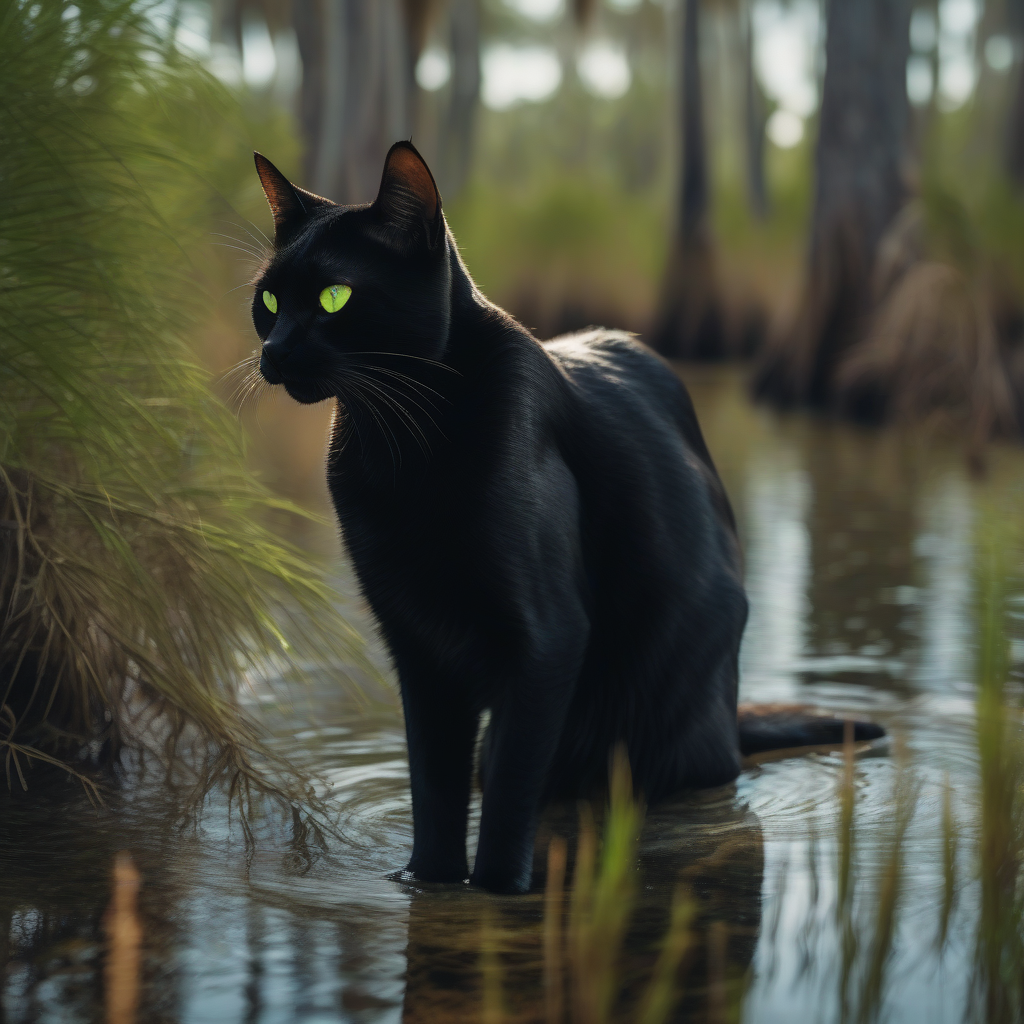
The most striking feature of the Canaveral Cat is its surprising resemblance to the Florida panther. They typically have short, sleek, and glossy coats. Their colors are predominantly black, dark brown, or distinctly striped tabby. These dark hues provide excellent camouflage within the swamps and dense vegetation. Their eyes are usually amber or bright green, with a sharp, glowing expression in the dark. They can range from medium to large in size, possessing a muscular and agile physique. Their athletic build enhances their ability to hunt and navigate difficult terrains. Strong paws and sharp claws also offer significant advantages for survival in their natural habitat.
Character and Behavior: Intelligence and Agility
Due to their need to survive in their natural environment, Canaveral Cats are extremely intelligent, agile, and instinctively strong hunters. They are known for enjoying playing in and swimming in water – a trait not commonly seen in many domestic cat breeds. Fish, frogs, and small mammals in the region constitute their primary food sources. Their interactions with humans are generally reserved; due to their semi-feral nature, they are cautious, but can become accustomed to people if food is regularly provided or if socialization begins at an early age. Even when domesticated, they retain their independent spirit. Their curious and observant nature allows them to adapt quickly to changes in their surroundings.
Care and Health: Resilient Nature
Canaveral Cats are generally robust and resilient against diseases due to natural selection. They typically live long and healthy lives. When adopted as pets, they require similar basic care to other domestic cats: regular veterinary check-ups, vaccinations, parasite prevention, and a balanced diet. Thanks to their short coats, grooming is relatively easy; weekly brushing will suffice. Due to their energetic nature, it is important to provide plenty of play and mental stimulation at home. Climbing trees and interactive toys will help satisfy their natural hunting instincts.
The Canaveral Cat as a Pet
Adopting a Canaveral Cat usually occurs through local shelters or rescue organizations in the region. Early socialization can make them more adaptable pets. However, due to their wild origins, they may be more independent and sometimes shy compared to other cat breeds. They can be suitable for patient, understanding, and experienced cat owners. Providing ample living space and opportunities for safe outdoor exploration will help these cats stay happy and healthy. They are not aggressive, but may instinctively defend themselves if they feel threatened.
Conservation Status and Importance
Canaveral Cats are an important part of Florida's ecosystem. They contribute to biodiversity by controlling rodent populations in the local ecosystem. However, their populations are threatened by factors such as habitat destruction, urban sprawl, and traffic accidents. The conservation of these cats is crucial not only for their own species but also for the delicate ecosystem they inhabit. Some conservation projects in the region aim to secure the future of these natural cat populations.
Conclusion
The Canaveral Cat is a mysterious and powerful legacy from the wild heart of Florida. With their natural beauty, intelligence, and agility, they hold a unique place in the feline world. These cats, capable of adapting to domestication yet always retaining a wild spirit within, offer a unique experience to those who adopt them. As Sen YuDo Pet, we are happy to raise awareness about this special population and introduce you to these fascinating creatures.