Cats A-Z: The Canary Island Cat – Atlantic's Hidden Gem
At Sen YuDo Pet, we continue our journey to discover unique cat breeds from around the world. This time, our route takes us to the Canary Islands, a Spanish archipelago sparkling like pearls in the deep blue of the Atlantic Ocean. Are you ready to meet the Canary Island Cat, a breed that lives its own unique life amidst these volcanic beauties and carries the spirit of the islands? In this article, we will take a closer look at these mysterious and resilient inhabitants of the islands.
History and Origin: The Ancient Heritage of the Islands
The Canary Island Cat is not an internationally recognized pedigree cat breed with a specific breed standard. Instead, it is a landrace that has adapted to the unique natural conditions of the islands. The origins of these cats trace back to domestic felines brought by early settlers. Cats arriving on the islands with Phoenician, Roman, and later Spanish sailors' ships evolved in an isolated environment, adapting to the challenging geography and climate of the Canary Islands. They lived closely with the indigenous people of the islands, the Guanches, accompanying them in their way of life. For hundreds of years, these cats strengthened through natural selection, developed their hunting skills, and maintained their independent spirits. The Canary Island Cats we see today are living descendants of this long and rich history.
Physical Characteristics: Agility and Resilience
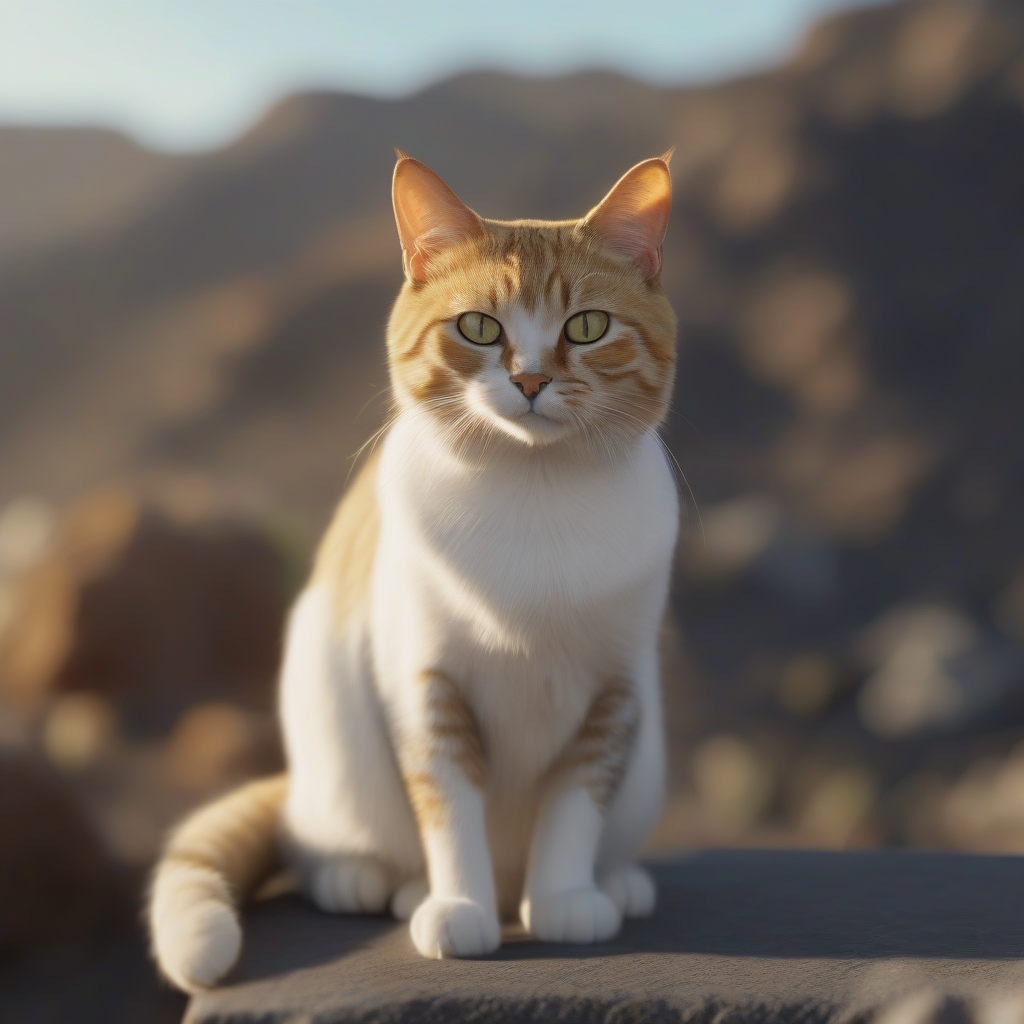
The Canary Island Cat typically has a medium-sized, muscular, and agile body structure. Their bodies are balanced and athletic, allowing them to move easily across the islands' rugged terrain. Although generally short-haired, different coat lengths can be found depending on the climate and local variations. Coat colors and patterns are quite diverse; solid colors (black, white, gray), tortoiseshell, calico, or tabby patterns are frequently observed. Eye colors usually harmonize with their coat colors, appearing in shades of green, amber, or copper. Their strong paws and keen senses make them successful hunters in the natural life of the islands. Their ears are medium-sized and upright, and their tails are proportionate to their bodies. Their overall appearance carries both a domestic and a slightly wild air, reflecting their integral role in island life.
Character and Temperament: Independent Spirits and Loyal Companions
Canary Island Cats are highly intelligent and curious about their surroundings. The challenging nature of the islands has endowed them with a strong sense of independence. They have developed excellent hunting and survival skills on their own. However, this independence does not mean they shy away from forming bonds with humans. They can be quite loyal and affectionate towards their families. They are playful, energetic cats that require mental stimulation. Their intelligence provides them with problem-solving abilities, and they enjoy engaging in various "hunting" games even indoors. They can adapt easily to changes in their environment, making them suitable for both island life and domestic settings. They can get along well with children and other pets, provided proper socialization begins early.
Health and Care: Benefits of Natural Selection
Being a natural landrace, Canary Island Cats are generally highly resistant to genetic diseases. With a healthy diet and regular veterinary check-ups, they can live an average of 12 to 18 years. Their short coats make grooming relatively easy; weekly brushing helps remove dead hairs and keeps their fur shiny. Due to their active nature, regular exercise is crucial. Climbing trees, toys, and interactive play sessions will help maintain their physical and mental health. Feeding them a balanced and nutritious diet will support their energetic lifestyle. Regular parasite control and vaccinations ensure they are protected against potential risks encountered in the islands' natural environment.
Adopting a Canary Island Cat: A Rare Opportunity
The Canary Island Cat is rarely considered an "adoptable" breed in the conventional sense, as it does not have a specific network of breeders. They are typically found in local animal shelters or as strays. If you live in or frequently travel to the Canary Islands, you might have the opportunity to visit local shelters and provide a home for one of these unique felines. As these cats are part of the islands' natural heritage, their protection and welfare are important to the local population. At Sen YuDo Pet, we believe every cat deserves a loving home and support efforts for the conservation and well-being of local cat populations.
Conclusion: The Atlantic's Unique Feline Friend
The Canary Island Cat stands out not only for its beauty but also for its independent and resilient character, reflecting the spirit of the islands. They are a living history, shaped by the island winds and leaving their mark on the volcanic soil for thousands of years. If you are looking for an adventurous, intelligent, and loyal feline friend, the story of the Canary Island Cat might captivate you. At Sen YuDo Pet, we are delighted to help you better understand these special companions and live a healthy, happy life with them.