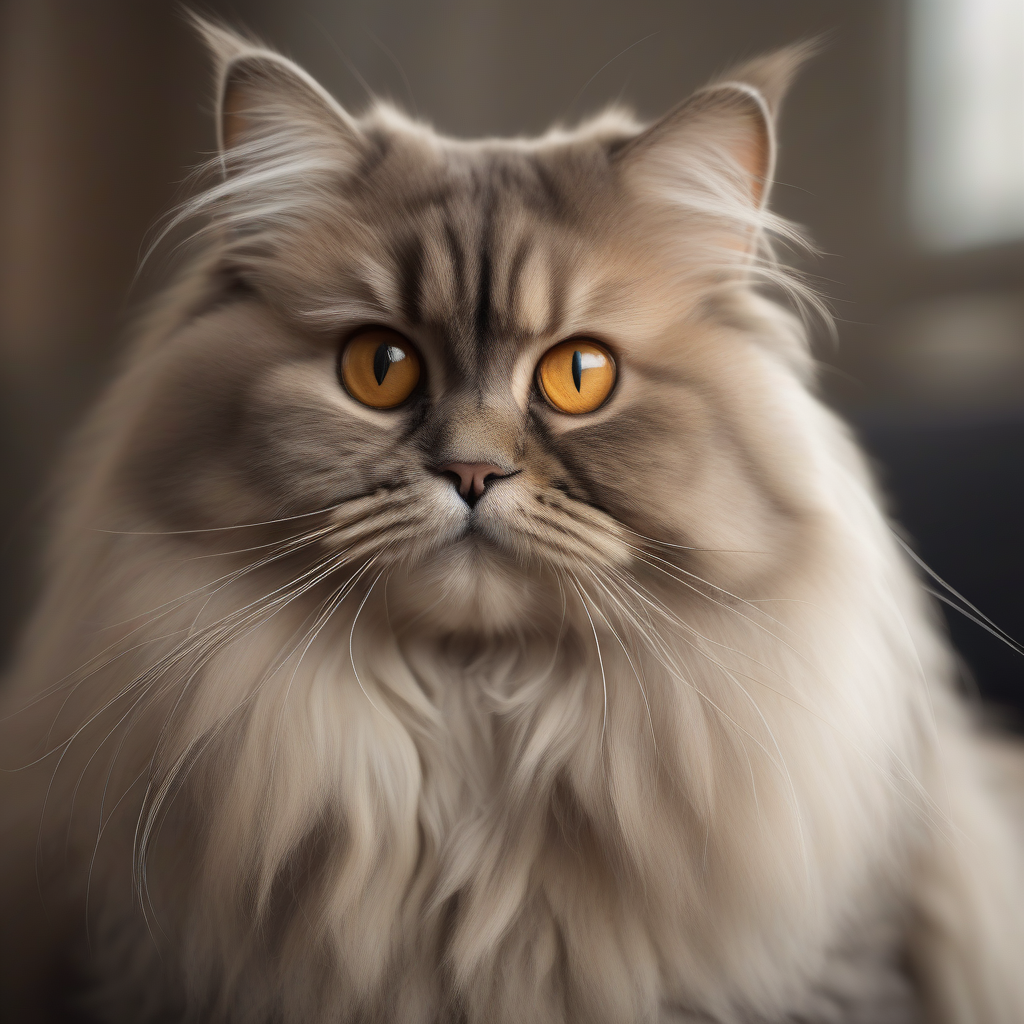
A-Z of Cats: British Longhair – The Gentle Giant of Long-Haired Elegance
The British Longhair, as its name suggests, is the long-haired cousin of the British Shorthair, and this magnificent breed has captured the hearts of cat lovers with its calm temperament, round face, and luxurious, long coat. In this article, we will delve into the unique world of the British Longhair cat, discovering everything from its origins to its care, character, and health characteristics.
Origins and History
The British Longhair emerged as a long-haired variation of the British Shorthair breed. While British Shorthairs were standardized in England in the 19th century, long-haired genetics were present within their lineage. These long-haired genes remained a hidden secret in the breed's history. They likely originated from the ancestors of British Shorthairs breeding with Persian and other long-haired breeds, carrying the gene discreetly within the gene pool. In the post-World War II era, crossbreeding with long-haired breeds like Persians, aimed at reinvigorating the British Shorthair population, led to the long-haired gene becoming more widespread. However, for a long time, long-haired kittens were often considered a "fault" and excluded from the breed standard.
In the 1980s and 1990s, some breeders recognized the potential of these long-haired beauties and began to develop them as a separate breed. As a result of these efforts, the British Longhair finally started to gain recognition as an independent breed by various cat associations in the early 2000s. Today, the British Longhair is acknowledged as a distinct breed that shares all the characteristic traits of the British Shorthair but stands out with its glorious long coat.
Physical Characteristics
The British Longhair is a medium to large-sized cat with a strong and sturdy build.
- Body Structure: Similar to the British Shorthair, they have a muscular, rounded, and cobby body. They possess broad chests and strong legs.
- Head and Face: They have a charming "teddy bear" look with a round face and full cheeks. They feature a short, thick neck and a strong jawline. Their eyes are typically large, round, and can be golden, copper, or green, depending on their coat color.
- Coat: Their most distinguishing feature is their dense and voluminous semi-long fur. This fur can create a mane-like effect on their body, especially longer and thicker around the neck area. Their tails are also long and bushy. British Longhairs come in a wide array of colors and patterns, including solid (blue, black, white, cream, chocolate, lilac), bicolour, tricolour, tabby, and point patterns.
- Weight: Males typically weigh between 5-9 kg (11-20 lbs), while females range from 4-6 kg (9-13 lbs).
- Lifespan: On average, they can live for 12-15 years or even longer.
Character and Temperament
The British Longhair possesses a calm, gentle, and adaptable temperament. It's fair to describe them as "gentle giants."
- Calm and Docile: They are generally very calm and docile. They prefer lounging on a lap or beside you rather than engaging in high-energy play.
- Independent yet Affectionate: While maintaining their independence, they can be very affectionate and devoted to their owners. They are not overly demanding but may purr gently or rub against you to seek attention.
- Children and Other Pets: Thanks to their patient and tolerant nature, they generally get along well with children and other pets (especially cat-friendly dogs). They are not prone to aggressive behavior.
- Vocalization: They are typically quiet cats. They don't meow much; instead, they express their needs or desires with gentle purrs or rubs.
- Playfulness: Although quite playful as kittens, their need for play diminishes as they age. Nevertheless, they still enjoy short play sessions with soft feathered toys or laser pointers.
Care Needs
The magnificent coat of the British Longhair requires regular grooming.
- Coat Care: To prevent tangles and matting, it's essential to brush their fur at least 2-3 times a week. This frequency should be increased during shedding seasons. Regular brushing also helps reduce hairball formation.
- Nutrition: They need to be fed a balanced and high-quality cat food. Portion control is crucial as they can be prone to obesity.
- Dental and Nail Care: Regular teeth brushing for dental health and routine nail trimming should be part of their regular grooming.
- Veterinary Check-ups: Annual veterinary check-ups, vaccinations, and parasite prevention treatments should not be neglected.
Health Status
The British Longhair is generally a healthy breed, but they can be predisposed to some genetic health issues:
- Polycystic Kidney Disease (PKD): This is a genetic predisposition often inherited from Persian breeds. Early detection through regular screenings is important.
- Hypertrophic Cardiomyopathy (HCM): A heart disease characterized by the thickening of the heart walls. Regular vet examinations can help detect this condition early.
- Obesity: Due to their calm temperament and fondness for food, they are prone to obesity. A healthy diet and sufficient exercise can reduce this risk.
British Longhair and Living Environment
The British Longhair is a cat that adapts perfectly to apartment living. They are not high-energy and can be happy indoors. However, it's important to provide them with climbing structures, comfortable beds, and interactive toys to ensure their well-being. They enjoy human interaction and easily adapt to a family environment.
Conclusion
The British Longhair cat is a wonderful choice for pet owners due to its majestic appearance, gentle character, and affectionate nature. With regular grooming and a balanced diet, they will be a loyal and loving companion for many years to come. These elegant long-haired giants are ready to bring peace and nobility to your home!