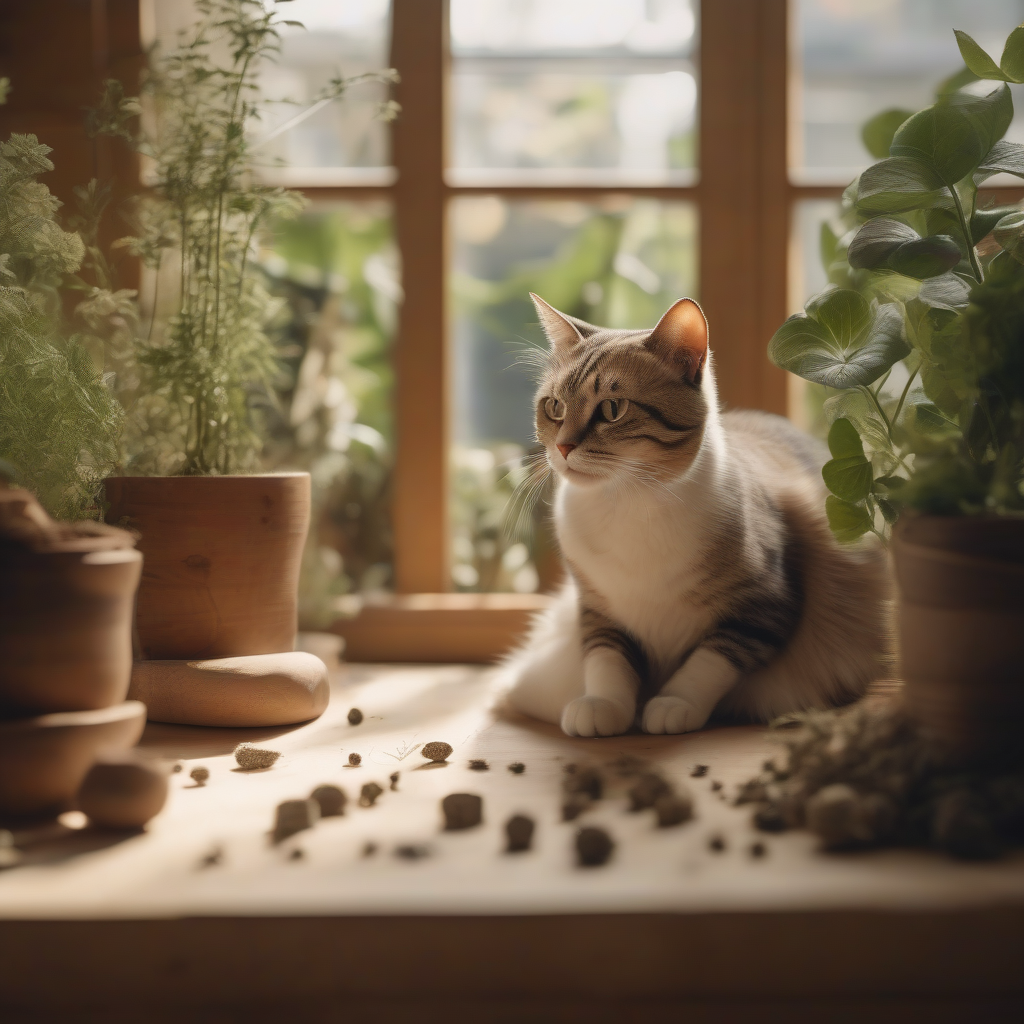
March 2026's New Cat Trend: Ignite Your Feline Friend's Sensory World with a 'Bio-Sensoric Scent Garden'!
As we step into March 2026, a new and exciting trend is emerging that is capturing the attention of cat lovers: the 'Bio-Sensoric Scent Garden'. This revolutionary concept aims to engage cats' innate sense of smell, offering an innovative way to mentally stimulate them, reduce their stress, and enhance their overall well-being. We delve into the depths of this trend to ensure your cat becomes more than just a pet that eats, sleeps, and plays – but a sensory explorer.
Why is a 'Bio-Sensoric Scent Garden' So Important?
Cats perceive the world largely through scent. Their noses possess millions of scent receptors capable of deciphering a complexity of olfactory maps that humans cannot comprehend. Modern homes today can be sensorially limiting for cats. A 'Bio-Sensoric Scent Garden' aims to fill this sensory gap. By mimicking the complex scents found in their natural environments, it helps cats satisfy their innate instincts for exploration and hunting.
1. Cracking the Scent Codes: Your Cat's Sensory Exploration Journey
Your cat's sense of smell is more than just a navigation system for them. It plays a critical role in identity recognition, social communication, danger perception, and even understanding emotional states. A 'Bio-Sensoric Scent Garden' makes this complex olfactory world more accessible and enjoyable for your cat. By creating an area filled with diverse textures, natural materials, and carefully selected scents, you nurture your feline friend's curiosity and desire for discovery.
7 Viral Scent Design Secrets: Ignite Your Cat's Spring Energy!
H2: 1. Nature's Own Perfume: Fresh Herbs and Plants
One of the most natural and effective stimulants for a cat's sense of smell is a variety of fresh herbs. Plants like catnip, valerian, parsley, dill, and basil emit scents that cats find pleasing and calming. You can grow these herbs in small pots or dry them safely and add them to the 'Bio-Sensoric Scent Garden'.
H2: 2. 'Wood Wonders': Natural Wood Textures and Scents
Different types of natural wood pieces, branches, or untreated wooden toys offer enriching elements for cats, both visually and olfactorily. The natural scent and texture of wood allow cats to satisfy their scratching instincts and explore different surfaces. Lightly scented woods like cedar or pine can be preferred.
H2: 3. 'Feathery Touches': Safe Natural Materials
Natural materials such as dry leaves, moss, or safely processed, non-predatory feathers can add diverse textural and olfactory layers to the 'Bio-Sensoric Scent Garden'. These materials mimic the ground feel of a cat's natural environment and trigger their exploratory drive.
H2: 4. 'Mystery Pouches': Special Scent Blends
You can fill small linen or cotton pouches with safe and natural scents that your cat will love. For example, blends of dried lavender (in small amounts), chamomile, or coconut shell can offer calming and stimulating scents for cats. Place these pouches in play areas or sleeping zones to allow your cat to explore the scents.
H2: 5. 'Water Surprises': The Magic of Moisture
While cats' interactions with water are often less pronounced, the olfactory depth created by moisture is important to them. Small containers with a small amount of safe water or a slightly damp area within the 'Bio-Sensoric Scent Garden' can offer a different sensory experience. Especially during spring, the fresh earthy scent created by moisture can be appealing to cats.
H2: 6. 'Sound Memory': Elements Mimicking Natural Sounds
Scent is sometimes associated with sound. Dry leaves rustling in a light breeze or small toys made of natural materials that make a soft sound when moved can enrich the olfactory experience. This helps the cat complete its sensory map.
H2: 7. 'Dynamic Aroma Rotation': The Art of Rotating Scents
To keep cats engaged, it's important to rotate scents regularly. Renew the 'Bio-Sensoric Scent Garden' weekly or bi-weekly by using different herbs, plants, or scent mixtures. This ensures your cat always has something new to discover and prevents monotony.
Conclusion: Create a Sensory Paradise for Your Feline Friend
This innovative cat trend of March 2026, the 'Bio-Sensoric Scent Garden', has the potential to significantly enhance your feline friend's quality of life. By implementing the 7 viral scent design secrets mentioned above, you can create an area that is both fun and mentally stimulating for your cat. Remember, every cat is an individual, so personalize this paradise by observing your cat's reactions and finding the scents and textures that best suit them. Bring the freshness of spring into your cat's sensory world and build a deeper bond with them!