Bengal Cat: When Wild Beauty Becomes Your Domestic Companion
Bengal cats are a fascinating breed that has garnered significant attention from cat lovers in recent years due to their exotic appearance and vibrant personalities. Despite boasting a wild, captivating leopard-like pattern, they are, in fact, affectionate and playful domestic pets. In this article, we will delve into everything about Bengal cats, from their origins and characteristics to their care and health tips, from A to Z. If you're considering adopting a Bengal cat or simply wish to learn more about this magnificent breed, you've come to the right place.
Origin and History: From Wild Ancestors to Domestic Friends
The story of Bengal cats begins with the hybridization of the Asian Leopard Cat (Prionailurus bengalensis), from which the breed takes its name, and a domestic cat. These crossbreeding efforts were first undertaken in the 1960s by an American geneticist named Jean Mill, primarily to study the leopard cat's resistance to feline leukemia. However, over time, the unique beauty and captivating personalities of these hybrids laid the foundation for a new cat breed. The Bengal breed began to gain recognition in the 1980s and was officially accepted by international cat associations. The name "Bengal" is derived from the scientific name of the Asian Leopard Cat. These cats are generally classified between F1 (first-generation hybrids) and F4 generations. Bengal cats typically kept as pets are F4 and subsequent generations, as the wild instincts in these generations have largely transitioned into domestic cat behaviors.
Physical Characteristics: Dazzling Leopard Patterns
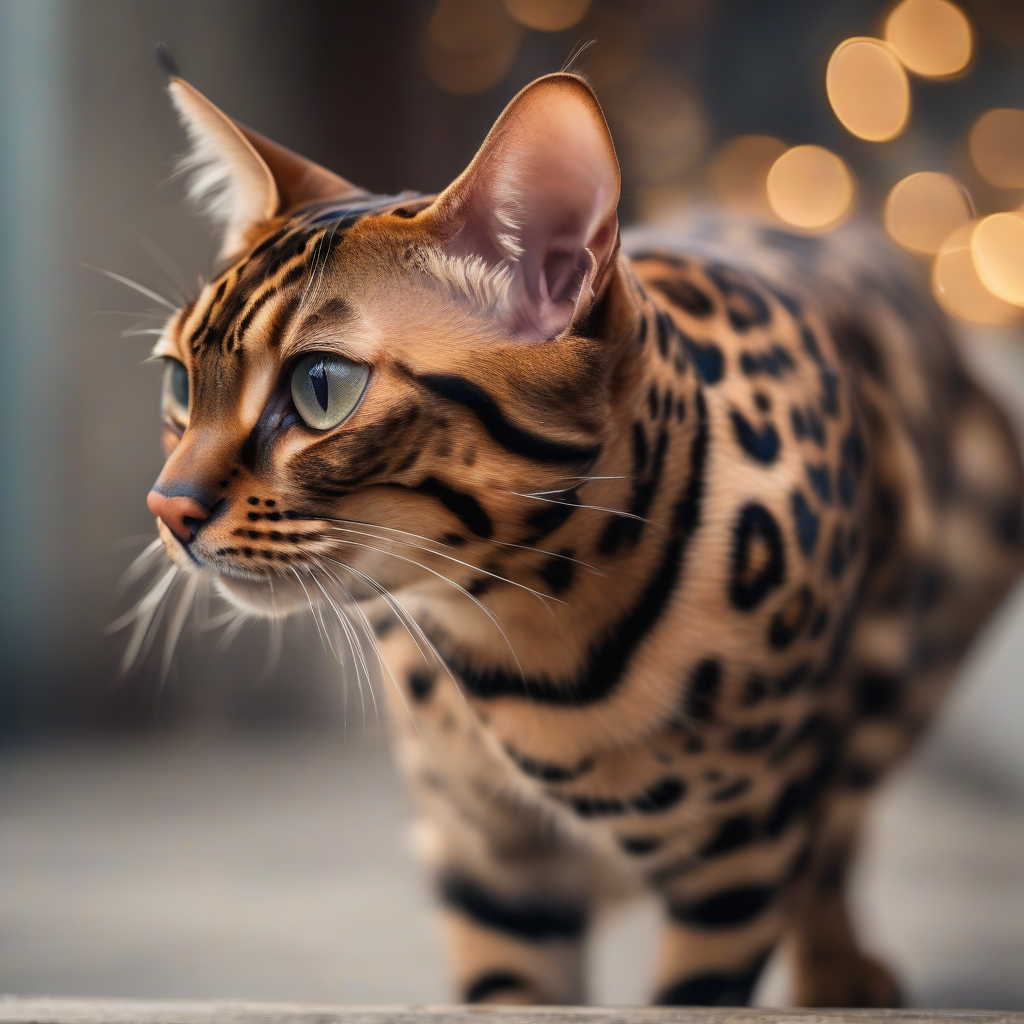
The most striking feature of Bengal cats is, without a doubt, their leopard-like patterns on their coats. These patterns can typically be either spotted or marbled. Spotted patterns can be randomly distributed, like those of wild leopard cats, or arranged in horizontal "rosettes." Rosettes are ring-shaped spots with a lighter center and a darker outline, giving Bengal cats their unique exotic look. The marbled pattern, on the other hand, offers a more flowing and abstract appearance.
Color variations include brown spotted, snow (also known as seal lynx, seal mink, or seal sepia), silver, and even blue. Another distinctive physical trait unique to Bengal cats is a shimmering effect on the tips of their fur, known as "glitter."
Bengals are medium-sized cats with a muscular build, making them athletic and agile. Their strong legs, long tails, and medium-sized heads collectively contribute to an elegant and noble stance. Their eyes are generally large, almond-shaped, and come in shades of green or gold. Their ears are medium-sized with rounded tips. Their coats are short, dense, and incredibly soft to the touch. This short coat structure offers great ease to owners in terms of grooming.
Temperament and Behavior: An Intelligent and Energetic Companion
Bengal cats are unique not only in their appearance but also in their character. High energy levels, intelligence, and curiosity are among their most prominent traits. They are constantly driven by an urge to explore and play. Instead of lazily lounging like a typical cat, they are usually found actively roaming, climbing, or playing inside or (in a safe environment) outside the house.
Their fondness for water is quite distinct from other cat breeds. While most cats shy away from water, Bengals enjoy playing with it, even watching and trying to catch water flowing from a tap. Some might even love taking showers with their owners!
Their sociability is also noteworthy. They can be very affectionate and devoted to their owners. They dislike being alone and actively seek human interaction, play, and affection. Due to their high intelligence, they are trainable cats. It's possible to leash-train them for walks or teach them simple commands. They can get along well with other pets (especially if introduced at an early age) and children, though their high energy and playfulness require children to match their energy. Their hunting instincts are quite strong, so caution should be exercised when housing them with small pets (like birds or hamsters).
Care Tips: For a Healthy and Happy Bengal
Caring for Bengal cats is generally similar to that of other domestic cats, but their energy levels and specific needs must be taken into account.
Coat Care: Thanks to their short coats, they shed less and are easy to groom. Brushing them once a week is sufficient to remove dead hairs and maintain the luster of their fur.
Nutrition: Due to their high energy and athletic build, it's crucial to feed them high-quality, high-protein cat food. Foods with a high meat content should be preferred. Pay attention to the portions recommended by your veterinarian to avoid obesity.
Exercise and Mental Stimulation: One of the most significant needs of Bengal cats is plenty of exercise and mental stimulation. Climbing trees, wall-mounted climbing structures, numerous interactive toys, and puzzle games are indispensable for them. Engaging in at least two intense 15-20 minute play sessions with their owners daily helps them release their energy. A bored Bengal might exhibit destructive behaviors around the house.
Litter Box and Hygiene: Like all cats, Bengals prefer a clean litter box. The litter box should be cleaned regularly, and quality cat litter should be used.
Health Issues and Precautions: For a Long Life
Bengal cats are generally a healthy breed, but they do have some genetic predispositions:
- Hypertrophic Cardiomyopathy (HCM): This condition, characterized by a thickening of the heart muscle, can be detected early with regular veterinary check-ups.
- Pyruvate Kinase Deficiency (PK-def): A genetic blood disorder that affects red blood cells. It can be diagnosed through testing.
- Progressive Retinal Atrophy (PRA): Another genetic disease affecting the eyes, which can lead to blindness.
Responsible breeders ensure the health of their kittens by using parent cats tested for these genetic diseases. Regular veterinary check-ups, adherence to the vaccination schedule, and parasite control are vital for your Bengal cat to live a healthy life. Dental health should also not be overlooked; regular brushing or dental-supportive foods should be used.
Living with a Bengal Cat: Patience, Love, and Lots of Play
Adopting a Bengal cat is a bit different from adopting a typical domestic cat. Their high energy levels and intelligence demand a special living space and attention. It's important to provide plenty of climbing areas, high perches, and safe play zones in your home. Interacting with them patiently and consistently will help prevent unwanted behaviors. Training them is easy with positive reinforcement techniques. Considering their love for water, you can allow them to play with bowls of water or water toys. This helps satisfy their natural instincts.
Things to Know Before Adopting
Before deciding to adopt a Bengal cat, several important points should be considered:
1. High Energy Level: Can you provide enough space and attention for an active cat in your home? 2. Cost: Bengal cats can be more expensive than other breeds, and their specialized food and toys also mean additional expenses. 3. Legal Status: For F1-F4 generations specifically, there might be restrictions on ownership or possession in some regions. It is best to adopt an F5 or later generation Bengal from a responsible breeder. 4. Time Commitment: Bengal cats form strong bonds with their owners and dislike being left alone. Do you have enough time to dedicate to them?
Conclusion: A Unique Friendship
Bengal cats, with their wild beauty, intelligence, and energetic personalities, are truly unique pets. With proper care, sufficient stimulation, and abundant love, a Bengal cat can offer you years of joyful and rewarding companionship. As long as you understand their unique character and needs, you will feel the elegance and warmth of a piece of wilderness right in your home.