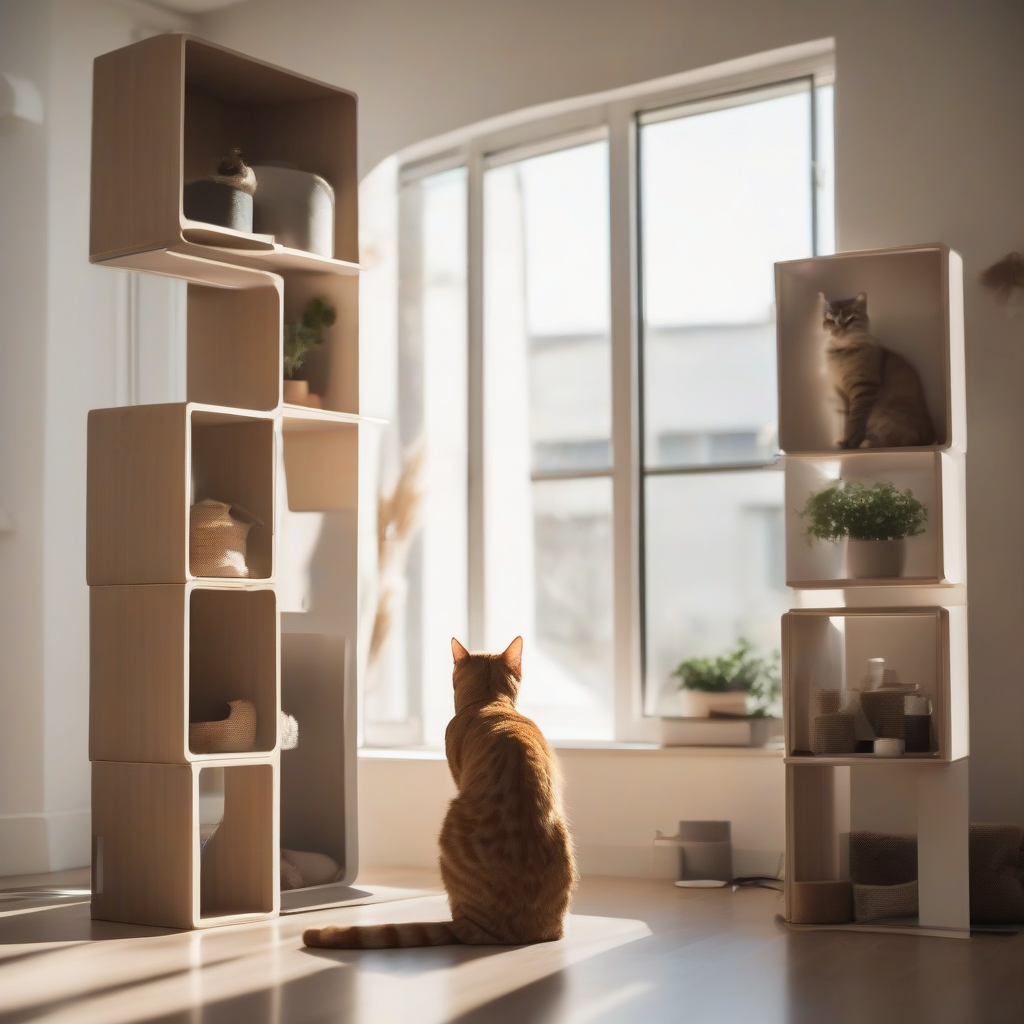
April 2026's Evolutionary Homes: Modular Living Spaces Tailored to Your Cat's Emotional Intelligence! Create a Flexible and Happy World in 7 Steps!
Welcome to April 2026! In the world of pets, especially for cats, the evolution of living spaces continues at a rapid pace. Stylish or purely functional cat homes are no longer enough; creating adaptable environments that can instantly respond to our cats' emotional intelligence and constantly changing needs has become one of the biggest trends. Cats' complex inner worlds show that they need different stimuli, calm areas, or exploration routes at different times. So, how do you design a modular and flexible living space that maximizes your furry friend's mood and well-being? Here's your 7-step guide to bringing this groundbreaking trend into your home!
Why Are Modularity and Emotional Intelligence Important?
A static living space can become boring, even stressful, for your cat over time. Cats are natural explorers and respond positively to changes in their environment. Fixed furniture and the same arrangement can limit their mental stimulation. Modular living spaces offer a solution to this. With easily reconfigurable, addable, or removable parts, you can keep your cat's environment dynamic. This not only alleviates boredom but also nurtures your cat's emotional intelligence. New arrangements, different approaches to problems, and new hiding or climbing spots develop your cat's cognitive abilities and boost their confidence. The increased energy and external changes brought by April necessitate that the indoor environment also adapts accordingly.
7 Steps to Create Your Cat's Flexible and Happy World
1. Observe and Understand Your Cat's Behaviors
Every cat is unique. Observe where they spend most of their time during the day, at what hours they are energetic, and when they are sleepy. Where do they hide when stressed? What are their favorite spots when playing? Which sunny corner do they love? These observations will form the foundation of your modular design. Your cat's individual preferences will guide you in creating the best flexible living space.
2. Choose Modular Base Elements
There are now many modular cat furniture options available on the market. These include: interchangeable scratching posts, adjustable shelves at different heights, connectable cubes or tunnels, removable and washable beds, hiding boxes, and play stations. Opt for products made from durable and eco-friendly materials such as wood, compressed felt, or recycled plastic. These pieces should be easy to assemble and disassemble.
3. Personalize Areas with Emotional Mapping
Identify areas corresponding to your cat's different emotional states:
- Play Area: Modules that satisfy climbing, jumping, and hunting instincts during high energy levels.
- Resting Area: A safe, calm, and secluded corner for sleeping or relaxation.
- Exploration Area: A stimulating trail enriched with new scents, different textures, or small surprise toys, providing mental stimulation.
This mapping will give you ideas on when and where to use which modules.
4. Establish a Weekly Reconfiguration Routine
The key benefit of modularity is its adaptability. Partially rearrange the living space every week or every two weeks. Add a new scratching post, move shelves, combine tunnels differently. This ensures your cat always finds their environment 'new' and engaging, breaking monotony and maintaining their mental vitality. However, be careful not to overdo radical changes to avoid stressing your cat; small but noticeable changes are sufficient.
5. Utilize Technology for Passive Support
Support your modular arrangements with simple smart technologies. Motion-sensor mini LED lights can automatically turn on when your cat enters a tunnel, increasing their motivation to explore. Remote-controlled or timed cat toys can keep your cat interactively engaged in newly arranged areas even when you're not home. However, make sure technology does not overshadow your cat's natural instincts.
6. Add Natural Touches and Scent Enrichment
Enrich your cat's sensory experience by incorporating natural elements into modular areas. Items like natural tree branches (safe and untreated), fabric pieces with different textures (cotton, linen), small toys containing catnip or valerian appeal to your cat's instinctive needs. Scent is a powerful perceptual tool for cats; these elements also encourage scent exploration. However, be careful not to overdo scent enrichment and avoid bothering your cat.
7. Establish a Feedback Loop and Continuously Adapt
Creating a modular living space is not a one-time task; it's an ongoing process of adaptation. Carefully observe how your cat reacts to new arrangements. Are they not using a module at all? Did they suddenly make another area their favorite? Adjust your arrangements based on this feedback. Flexibility means not only physically moving modules but also being able to adapt your design philosophy according to your cat's changing needs.
Conclusion: A Happy Cat, A Happy Home
This innovative trend of April 2026 emphasizes that your cat is more than just a pet; they are a dynamic and vibrant part of your home. By designing modular living spaces tailored to their emotional intelligence, you can maximize your cat's mental and physical health, strengthen your bond with them, and make every moment you spend together at home more meaningful. Remember, a happy cat always means a happier home!