April 2026's Green Vision: Zero Your Cat's Ecological Paw Print in 7 Steps, Be a Breath for the Future!
As we step into April 2026, the climate crisis and environmental challenges facing our planet are profoundly impacting every aspect of our lives, including our pet ownership habits. We are now actively seeking ways to reduce not only our own carbon footprint but also the "ecological paw print" of our furry companions. At Sen YuDo Pet, we are proud to share with you the most current and effective green trends of April 2026, designed to help you integrate sustainability into your lifestyle. Get ready to discover 7 groundbreaking steps that will enhance your cat's quality of life while placing a lighter burden on our planet!
Why Should You Zero Your Cat's Ecological Paw Print?
The immense scale of the modern pet industry brings with it a significant environmental impact. Pet food production, waste management, product packaging, and even energy consumption all strain our planet's resources. But fret not! With small yet impactful steps, you can minimize your cat's environmental footprint and actively contribute to the effort of leaving a more livable world for future generations. Moreover, this process will not only strengthen your bond with your cat but also help you provide them with a more natural and healthier life.
Step 1: Start with Sustainable Food Choices: Nature's Energy in Their Bowl
One of the largest components of your cat's ecological paw print is their diet. By April 2026, the pet food industry has made significant strides in sustainability.
- Insect-Based Proteins: Compared to traditional meat production, insect-based pet foods consume far fewer resources, offering an alternative that is both nutritious and eco-friendly. Many brands have successfully integrated this innovative protein source into their formulas.
- Local and Organic Production: Foods prepared with organic ingredients sourced locally reduce transportation costs and chemical footprints.
- Recyclable Packaging: Opt for pet foods offered in recyclable or compostable packaging instead of single-use plastics. Some brands even offer take-back programs for their packaging.
Step 2: Eco-Friendly Litter Selection: Respect from Litter Box to Earth
Your cat's litter habits also contribute to environmental impact. Traditional clay-based litters lead to the depletion of natural resources and are not biodegradable.
- Plant-Based Litters: Gaining popularity in April 2026, litters made from corn, wheat, soy, or wood fibers are biodegradable and compostable (if compliant with local regulations).
- Recycled Paper Litters: Produced from waste paper, these litters contribute to recycling efforts and are lightweight, making them easy to transport.
- Innovative Flushable Systems: Some litter brands offer special flushable formulas that significantly reduce waste volume. However, always check the compatibility with your local plumbing system and environmental regulations before using these systems.
Step 3: Toys and Accessories: Circular Economy at Your Cat's Service
Your cat's toys and accessories can often have a short lifespan. However, sustainable options are now available in this area too.
- Durable and Recycled Materials: Choose toys and accessories made from recycled plastic, natural wood, bamboo, or organic cotton. These products are both more durable and consume fewer new resources during production.
- Ethical Production: Handmade products by local artisans, produced under fair trade principles, support both social and environmental sustainability.
- Modular and Repairable Designs: Scratching posts and beds with easily replaceable or repairable parts extend their lifespan, preventing waste generation.
Step 4: Maximize Energy Efficiency: A Smarter Home with Your Cat
Your cat's living space can also be optimized for energy consumption.
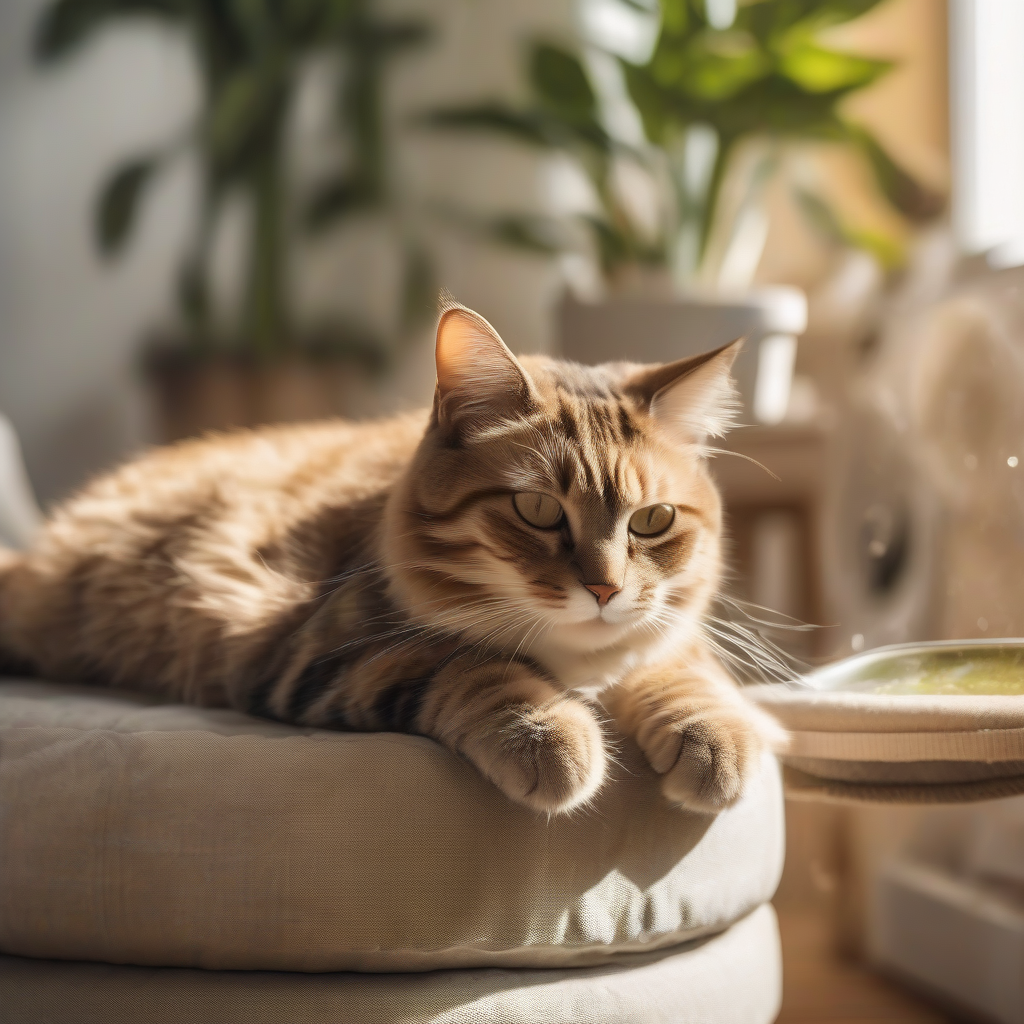
- Utilize Natural Light: Position your cat's favorite sleeping and play areas near windows that receive natural light. This reduces the need for artificial lighting during the day.
- Smart Thermostats: Smart thermostats that optimize your home's temperature allow for efficient energy use when you're away or when your cat is in a specific part of the room.
- Insulation and Airflow: A well-insulated home with proper airflow ensures an ideal temperature for your cat while reducing heating/cooling expenses.
Step 5: Green Grooming and Health Products: Reduce the Chemical Load
Products used for your cat's health can also have an environmental impact.
- Natural Ingredient Shampoos and Grooming Products: Opt for plant-based shampoos and grooming products that are free from parabens, sulfates, and artificial fragrances.
- Compostable Wipes: For cleaning, choose biodegradable and compostable versions of wet wipes (if suitable for local facilities).
- Holistic Veterinary Approaches: Working with veterinarians who aim to minimize chemical medication use and prioritize natural supports benefits both your cat's health and the environment.
Step 6: Waste Management: From Paw Print to Recycling
Properly managing your cat's waste is a key point in reducing their ecological paw print.
- Composting Food Scraps: Food scraps containing uncooked vegetables and fruits can be composted. However, check local composting rules regarding meat products.
- Sorting Packaging: Separate food and litter packaging according to recyclable materials and place them in recycling bins.
- Donating or Repurposing Old Toys: Donate old toys that are still usable to shelters or repurpose them into new items with creative DIY projects.
Step 7: Optimize Water Consumption: Every Drop Counts
Water is a precious resource and can be used efficiently in cat care.
- Smart Water Fountains: Filtered water fountains that provide your cat with continuous fresh water keep the water cleaner, requiring less frequent changes. This reduces water waste.
- Bathing Frequency and Method: Instead of frequent baths, opt to bathe your cat only when necessary and with a low water flow. Natural brushing for coat care often reduces the need for baths.
- Rainwater Harvesting: Water collected through small-scale rainwater harvesting systems can be used for watering outdoor plants or cleaning outdoor areas, reducing reliance on potable water sources.
A Paw Print for the Future
As of April 2026, zeroing your cat's ecological paw print is not just a trend; it's a demonstration of our responsibility towards our planet and future generations. By implementing the 7 steps above, you can lead a more conscious, healthy, and green life with your furry friend. Remember, every small step makes a big difference. At Sen YuDo Pet, we are delighted to support you on this green journey!