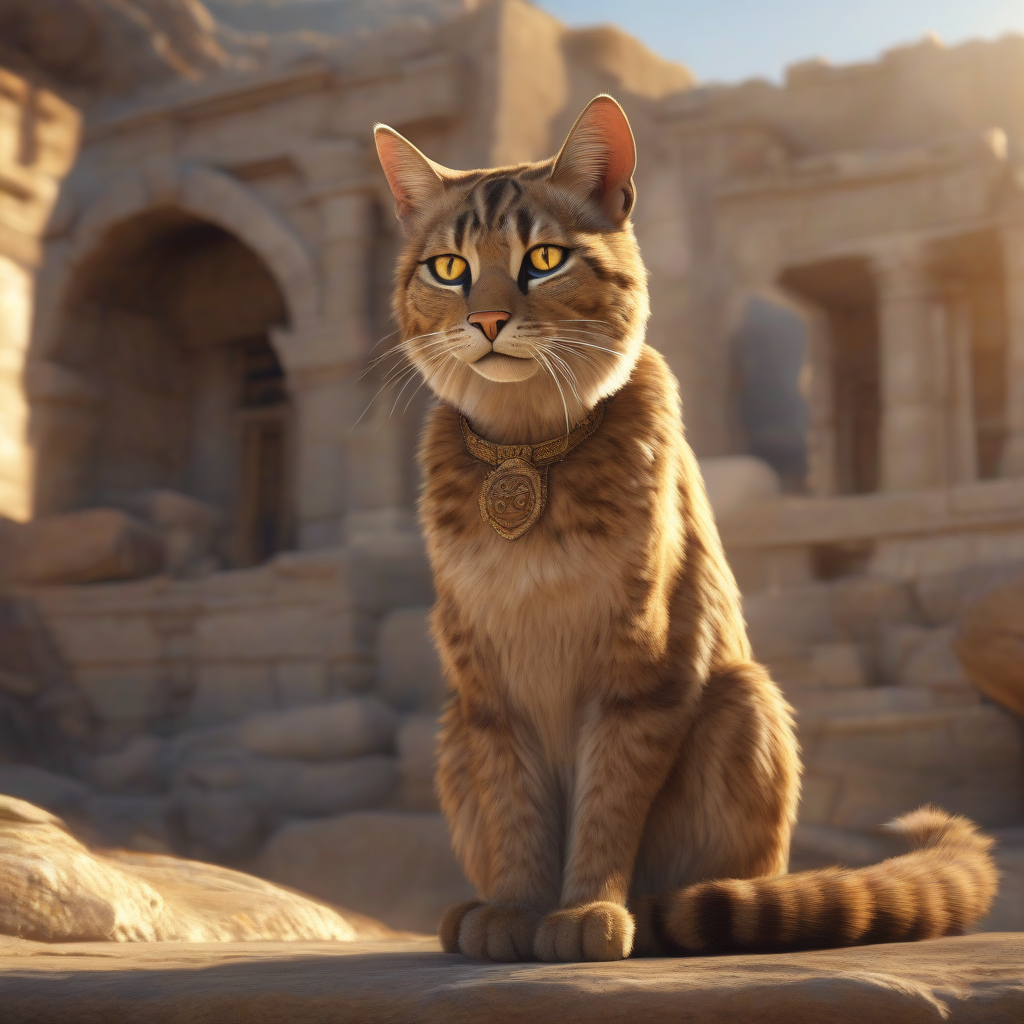
A-Z Cats: Ancient Lydian Cat – Grace from the Ancient Lands of Anatolia
Anatolia, a unique geography rich in cultural and natural heritage, has been home to countless civilizations for thousands of years. Among the many secrets rising from these ancient lands, there is also a dazzling cat breed that has completed its natural evolution: the Ancient Lydian Cat. This elegant and resilient companion, reaching us from the depths of history, seemingly carries the mystical atmosphere and natural diversity of Western Anatolia within its very being. As Sen YuDo Pet, we invite you on a journey of discovery to unlock the mysterious world of this unique breed.
Origin and History: From the Lydian Civilization to Today
The Ancient Lydian Cat takes its name from the Lydian Civilization, one of the most powerful kingdoms of Western Anatolia, which existed from around 1200 BC. This breed, shaped in the fertile lands between the Gediz (Hermus) and Küçük Menderes (Cayster) rivers, evolved through natural selection over thousands of years to acquire its present-day characteristics. Lydia's rich ecosystem, with its mountainous and plain terrains, not only honed these cats' hunting abilities but also endowed them with superior resilience against environmental conditions. While clues about the presence of cats in ancient Lydian art and daily life exist, the specific recording of this breed belongs to modern times. They are living symbols inheriting the gold, wisdom, and quiet strength of Lydia.
Physical Characteristics: Elegance and Agility Combined
The Ancient Lydian Cat is a medium-sized, athletic, and muscular breed. Averaging 3 to 6 kilograms (6.6 to 13.2 lbs) in weight, they stand out with their elegant lines and agile posture.
- Body Structure: They possess a long and flexible body, medium-length legs, and rounded, strong paws. Their tails are usually medium in length, tapering slightly towards the tip.
- Head Structure: They have a medium-sized, slightly wedge-shaped head. Prominent cheekbones and a strong jawline give them a noble expression.
- Ears: Their ears are medium in size, erect, and slightly rounded at the tips. They are broad at the base and set proportionally on their head.
- Eyes: They typically have bright, expressive, almond-shaped eyes. Eye colors can vary from golden yellow to green, but copper tones may also be observed. Their gaze is full of intelligence and curiosity.
- Coat Type and Colors: The fur of Ancient Lydian Cats is generally short to medium in length, dense, and silky in texture. Seasonal shedding may be observed. The color palette is quite extensive; brown, cream, black, red tones, and various tabby patterns (especially classic and spotted tabby) are common. Their natural colors reflect the soils, trees, and rocky landscapes of Anatolia.
Character and Temperament: Loyal Companions with Independent Spirits
The Ancient Lydian Cat is known for its intelligence, agility, and independent spirit. However, this independence does not hinder the deep love and loyalty they feel for their owners.
- Intelligence and Curiosity: They are extremely intelligent and curious cats. They enjoy exploring their surroundings, learning new games, and participating in activities that provide mental stimulation. Puzzle toys and interactive games are ideal for them.
- Hunting Ability: They possess strong hunting instincts inherited from their origins. They are fast, silent, and determined. In a home environment, ample play and climbing areas should be provided to allow them to expend this energy.
- Independence: They enjoy spending time by themselves. They are not overly clingy but appreciate quality time with their owners. They may prefer to quietly lounge beside you rather than being a lap cat.
- Social Nature: Generally, they get along well with people and other pets, but it may take some time for them to adapt to new environments and individuals. With patience and proper socialization, they become wonderful family members.
- Quietness: They are generally not very vocal cats. Their meows are gentle and measured, but they will make themselves heard when they want attention.
Care and Health: Natural Resilience
As a natural breed, the Ancient Lydian Cat is generally very healthy and robust. There are no known specific genetic predispositions to illnesses.
- Coat Care: Their short to medium-length fur can be easily maintained with brushing once or twice a week. This helps to remove dead hairs and reduce shedding.
- Nutrition: A balanced diet with high-quality cat food is essential. The choice of food should be appropriate for their age, activity level, and overall health.
- Exercise and Mental Stimulation: As they have high energy levels, regular exercise and mental stimulation are vital. Climbing trees, interactive toys, and daily play sessions help them stay fit.
- Veterinary Check-ups: As with all cats, regular veterinary check-ups, vaccinations, and parasite treatments are necessary to maintain their general health.
The Ancient Lydian Cat as a Pet
The Ancient Lydian Cat can be a wonderful companion with the right environment and care. Due to their energetic and intelligent nature, they are ideal for families who can provide them with sufficient attention and activity. While they live a calm and harmonious life, caution should be exercised when keeping them with small pets (birds, hamsters, etc.) due to their hunting instincts. For families with children, they can be a good choice, provided the children learn to treat the cat with respect. Their loyalty and mysterious charm set these cats apart from other breeds.
Conclusion: A Gift from the Past
The Ancient Lydian Cat is a living legacy of Anatolia's rich history and natural beauty. With its elegance, intelligence, and resilience, it is more than just a pet; it is a silent ambassador of an ancient civilization. If you are looking for an independent yet loyal and playful companion intertwined with history, the Ancient Lydian Cat will find a special place in your heart. As Sen YuDo Pet, we will continue to work to raise awareness of this unique breed and give it the recognition it deserves.