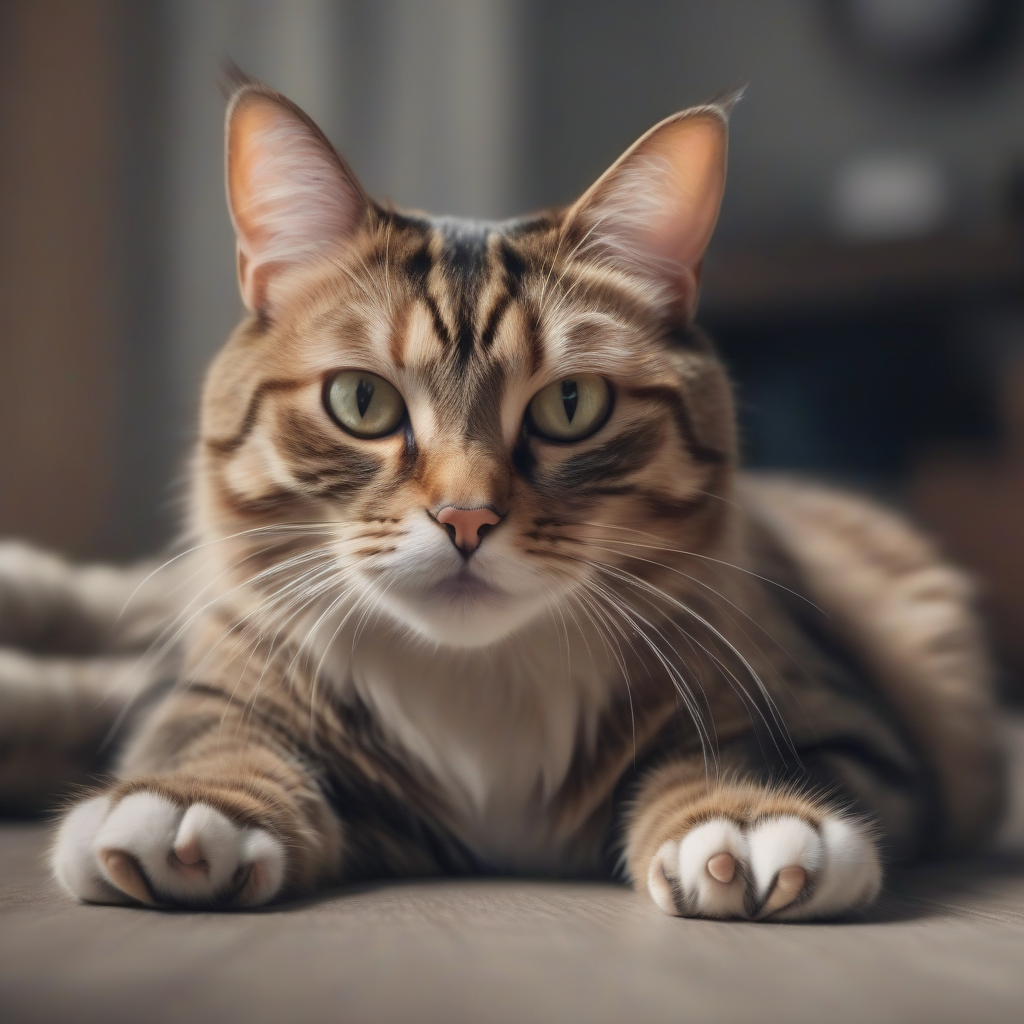
American Polydactyl Cat: The Mysterious World of Extra Toes
The world of cats is rich with countless breeds, each possessing unique beauty and character. However, some cats stand out from the rest, born with a genetic "extra." The American Polydactyl Cat is one of the most charming examples of this fascinating difference. Also known as "many-toed cats," these endearing companions have maintained their popularity, particularly in North America, for many years, boasting a distinct fan base. We recognize them not only for their physical attributes but also for the cultural stories that surround them.
What is Polydactyly and Where Does It Come From?
Polydactyly, a word derived from Latin meaning "many-fingered," is a congenital, usually harmless genetic anomaly in cats. While a typical cat normally has five toes on its front paws and four on its back paws, polydactyl cats have more. The extra toes can often appear as small "thumbs" within or alongside the paw, and in some cases, these additional digits give them the appearance of wearing mittens. This condition is inherited via a dominant gene, meaning if one parent is polydactyl, there is a 50% chance that half of the offspring will inherit the trait.
While the exact origins of polydactyl cats are not fully known, they are believed to have become prevalent in North America, particularly in New England and the Eastern coast of Canada. Historically, they gained popularity as ship's cats. Sailors believed that the extra toes enhanced cats' balance, making them more adept at hunting mice and rats. It was thought that they could secure a firmer grip on the ship's deck during stormy seas. Consequently, many ships carried polydactyl cats, believing them to bring good luck.
The Legend of the Hemingway Cats
One of the most famous stories associated with American Polydactyl Cats is undoubtedly their connection to the writer Ernest Hemingway. Hemingway adopted a six-toed cat named "Snow White" at his home in Key West and lived with many polydactyl descendants of this cat. Even today, the writer's former home functions as a cat museum, housing hundreds of polydactyl cats known as "Hemingway cats." These felines are considered a living part of the author's legacy and attract significant attention from visitors. Hemingway's affection for these cats played a crucial role in increasing their popularity in America.
Physical Characteristics
The American Polydactyl Cat is not a specific breed but rather a genetic trait found in cats of various breeds or mixed heritage. Therefore, their overall physical appearance can vary greatly. Their size, coat length, colors, and patterns depend on the genetic pool from which they originate. Polydactyl examples are often found among breeds such as the Maine Coon and American Shorthair.
Their primary distinguishing feature, of course, is their extra toes. These extra digits are usually more prominent on the front paws but can also appear on the back paws. The shape and number of extra toes can also vary from cat to cat. Some cats may only have one or two extra toes, while others might have multiple extra digits on each paw. A record-holding cat was known to have 28 toes! These additional toes can provide cats with unique abilities for hunting, climbing, and even gripping certain objects.
Character and Temperament
The temperament of polydactyl cats is a reflection of their genetic heritage (i.e., their parent breeds). Generally, polydactyl cats are known to be affectionate, intelligent, and playful. Many people claim that the extra toes give them a more curious, exploratory nature and make them more adept at holding objects. They can be quite attached to their owners and love to play.
Thanks to their intelligence and problem-solving skills, they can be inclined to learn new tricks. During interactions with toys, it can be observed that they grasp and manipulate objects more effectively with their extra toes. They are social cats and enjoy forming strong bonds with humans.
Care Tips and Health
Caring for American Polydactyl Cats is fundamentally no different from caring for other domestic cats. However, there are some specific points to consider due to their extra toes:
- Nail Care: The nails on extra toes may be in a position that is not naturally used or walked on. These nails can grow faster and tend to curve inwards, as they don't wear down naturally. This can lead to infection or pain, making regular checking and trimming of a polydactyl cat's nails vitally important.
- General Health: Polydactyly generally does not have an adverse effect on a cat's overall health. There are no known health issues specifically attributed to polydactyly itself. However, like all cats, regular veterinary check-ups, a balanced diet, and necessary vaccinations are essential for their well-being.
- Play and Mental Stimulation: Due to their intelligent and playful nature, it is important to provide plenty of play and mental stimulation. Climbing trees, interactive toys, and puzzle feeders will help keep them happy and healthy.
Conclusion
American Polydactyl Cats are a special elegance and charm that a small genetic surprise from nature has brought to the world of cats. Their extra toes not only give them a unique appearance but also, in some cases, provide them with additional abilities. They are loving and fascinating companions who have formed a special bond with humans, extending from the pages of history to modern homes. If you are looking for an extraordinary and characterful cat, American Polydactyl Cats might be just right for you. Discovering the mystery hidden in their many-toed paws will bring a whole new joy to your life.