The Abyssinian Cat: History, Character, and Care
The Abyssinian cat is one of the most popular cat breeds worldwide, known for its intelligent, curious, and playful nature. These elegant and athletic cats are named after Ethiopia (formerly Abyssinia), although some mysteries still surround their origins. In this article, we will delve into the historical depths of the Abyssinian cat, explore its character traits, and learn the nuances of its home care.
Origins of the Abyssinian Cat: A Veil of Mystery
While there is no definitive information about the origins of the Abyssinian cat, the most common theory suggests that these cats originated in Ancient Egypt and were brought to England from Abyssinia by British soldiers in the 19th century. However, genetic research indicates that the cat has a much older lineage than Abyssinia and actually originates from the Indian Ocean coasts, from India and Southeast Asia, rather than Egypt. The name "Abyssinian" stems from the belief that the cats were first brought to England via Abyssinia.
Unique Character: Curious, Intelligent, and Playful
Abyssinian cats are known for their exceptional intelligence and high energy levels. They are constantly curious and thoroughly enjoy exploring their surroundings. They investigate every nook and cranny, climb to high places, and can spend hours playing with their toys. These cats are also social creatures that love human interaction. They form strong bonds with their owners and often follow their humans around. Due to their intelligence, they can learn simple tricks, open doors by manipulating doorknobs, and even operate sand timers. Therefore, mental stimulation is vital for them.
Abyssinian cats are often described as "dog-like cats" because they are loyal and affectionate towards their owners. They enjoy playing games, including fetch, and even seem to appreciate walks on a leash. However, this means they require more attention and interaction compared to some other cat breeds. They do not like being left alone and can become bored if left alone for extended periods, which can lead to behavioral issues.
Appearance: Elegant and Striking
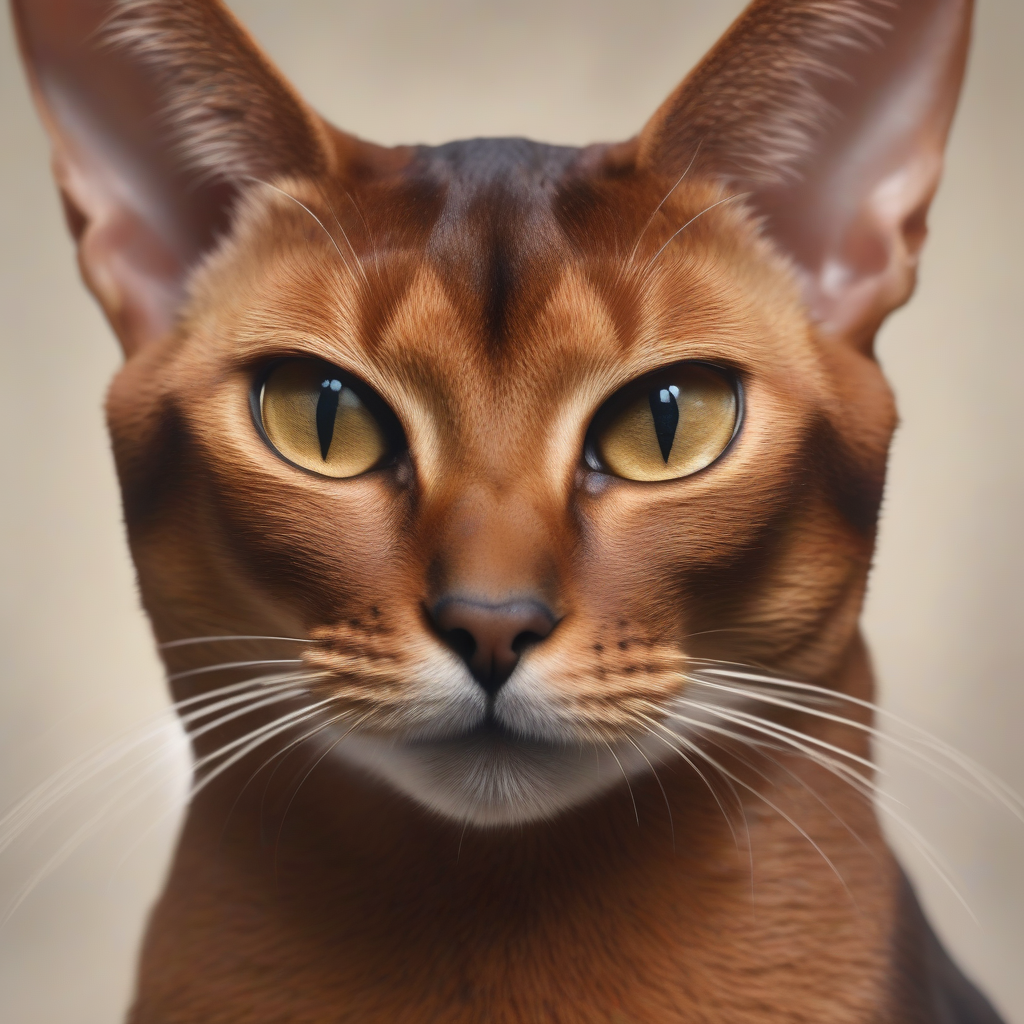
Abyssinian cats are medium-sized, with an elegant and muscular build. Their bodies are slender and long, with proportionate legs. Their ears are large and erect, and their eyes are almond-shaped, typically green or golden. Their most distinctive feature is their coat. Their fur is short, dense, and glossy. Each hair shaft has bands of different colors, creating a unique pattern called "ticked." This pattern gives the cats a wild, almost exotic look. The most common colors include red (sorrel), blue, fawn, and cinnamon.
Care: Attention and Affection Required
Caring for an Abyssinian cat is relatively straightforward. Their short coat remains manageable with gentle brushing once or twice a week. These brushing sessions help reduce shedding and strengthen your bond with your cat. Regular nail trimming, as well as cleaning their eyes and ears when necessary, are also part of their overall grooming routine.
Nutrition:
Abyssinian cats should be fed a high-quality, balanced diet. High-protein, low-carbohydrate foods are ideal for them. Given their high energy levels, they should be fed an appropriate amount of food based on their age, activity level, and health status. You can determine the most suitable type and quantity of food for your cat by consulting with your veterinarian. To encourage water consumption, fresh water should always be available, and the water bowl should be cleaned regularly.
Exercise and Mental Stimulation:
Due to their high energy levels, Abyssinian cats need plenty of exercise. Climbing trees, toy mice, laser pointers, and interactive games at home help them expend their energy and keep them mentally stimulated. Puzzle toys and brain games are also excellent options for them. Playing with them daily is essential for both their physical and mental well-being.
Health:
While generally a healthy breed, Abyssinian cats can be predisposed to certain genetic conditions. These include Renal Amyloidosis (kidney disease), Pyruvate Kinase Deficiency (which can cause neurological problems), and Progressive Retinal Atrophy (leading to vision loss). Regular veterinary check-ups help in the early detection and management of such health issues. Additionally, spaying or neutering can help reduce certain health risks.
Conclusion: A Lively and Loving Companion
The Abyssinian cat is an intelligent, curious, and extremely affectionate companion. Their energetic nature means they always want something happening around them. This breed is an excellent choice for families with active lifestyles who enjoy spending a lot of time with their cats and are eager to interact with them. With the right care, attention, and love, an Abyssinian cat will be a devoted friend who brings joy and vibrancy to your home.