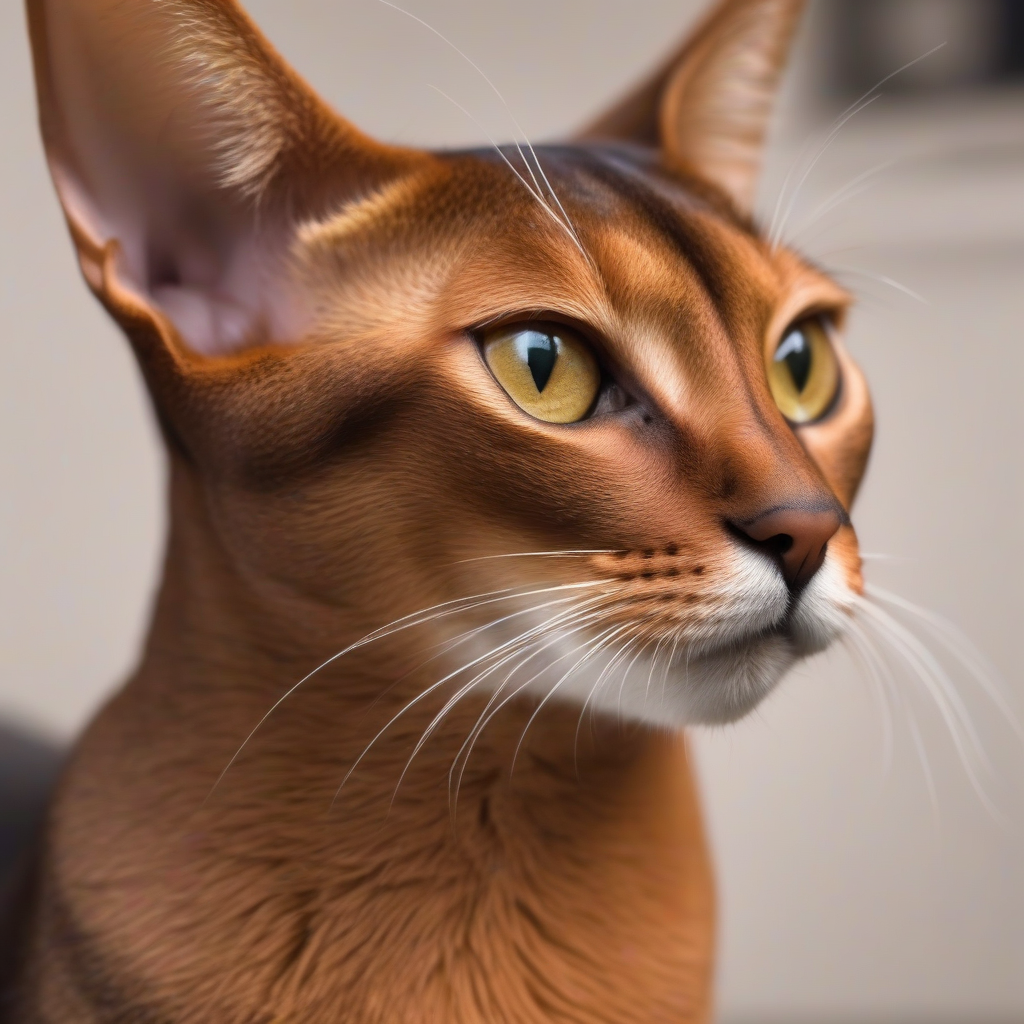
A to Z Cats: Abyssinian Cat Character, Care, and History
Abyssinian cats are one of the most captivating breeds in the feline world, known for their elegance, curious nature, and boundless energy. With an appearance reminiscent of ancient Egyptian statues, this breed offers their owners endless fun and affection. If you're looking for an active, intelligent, and deeply bonded companion, the Abyssinian might be the perfect fit for you.
Origin and History
There are various theories surrounding the origins of Abyssinian cats. The most common belief is that they derive their name from Abyssinia, the former name for Ethiopia. Some legends suggest that these cats are direct descendants of the sacred cats of Ancient Egypt, resembling those worshipped by Egyptian pharaohs. The modern breed's lineage can be traced back to cats brought to England in the late 19th century. A cat named 'Zula,' reportedly brought from Ethiopia by a British officer in 1868, laid the foundation for the breed. Abyssinians are recognized by their distinctive 'ticked' coat pattern, where each hair strand features multiple bands of color, giving them a natural, wild appearance.
Abyssinian Cat Character and Temperament
Abyssinians are often referred to as 'clown cats' or 'aggressive dancers.' These nicknames perfectly describe their playful and active nature. They are incredibly intelligent, curious, and exploratory. Every nook and cranny of the house is an adventure waiting to be discovered for them. Due to their high energy levels, they adore physical activities such as climbing, jumping, and running. Providing plenty of climbing structures and interactive toys in your home is crucial for their happiness and health.
Abyssinians are people-oriented cats. They form strong bonds with their owners and often follow them around the house. While they may not be typical lap cats, they enjoy sleeping beside you, perching on your shoulder, or closely observing your activities. They dislike being alone and can become bored or even show signs of anxiety if left by themselves for extended periods. Therefore, for working families, considering a feline companion or providing plenty of mentally stimulating toys can be a good idea. They generally get along well with children and other pets (especially those with similar energy levels).
Care Tips
Grooming: Abyssinians have short, close-lying, and lustrous coats, making their grooming relatively easy. Brushing them once a week with a soft brush is sufficient to remove loose hairs and maintain the shine of their fur. This also provides an excellent opportunity to strengthen the bond between you and your cat.
Nutrition: Due to their energetic nature, it's essential to feed them high-quality, protein-rich cat food. You should carefully adjust portion sizes to manage their weight and follow your veterinarian's recommendations. Choosing food appropriate for their age and activity level is vital for a healthy life.
Exercise and Mental Stimulation: Exercise and mental stimulation are non-negotiable for Abyssinians. You should dedicate at least 30-60 minutes to playtime daily. Climbing trees, interactive toys, laser pointers, and puzzle feeders will help them expend their energy and stay mentally engaged. If not provided with sufficient stimulation, they may tend to climb furniture or develop undesirable behaviors.
Health: While generally a healthy breed, Abyssinians can be prone to certain genetic conditions. These include renal amyloidosis, Pyruvate Kinase Deficiency (PKDef), and periodontal diseases. Regular veterinary check-ups, adherence to vaccination schedules, and parasite control are crucial for early detection and prevention of these conditions. Regular teeth brushing or using dental-health-promoting foods can also be beneficial for their dental hygiene.
Litter Training: Abyssinians are quite intelligent, so litter training usually progresses smoothly. Ensure the litter box is always clean and easily accessible. A dirty litter box can lead your cat to relieve themselves elsewhere.
Pros and Cons of Living with an Abyssinian
Pros:
- Highly Intelligent and Eager to Learn: They are trainable, can learn tricks, and understand various commands.
- Active and Playful: Ideal for those seeking constant motion and entertainment in their home.
- Loyal and People-Oriented: They form strong emotional bonds with their owners.
- Easy-to-Care-for Coat: Their short coats result in minimal shedding and are easy to maintain.
Cons:
- High Energy Levels: If not provided with enough activity, they can become bored and exhibit destructive behaviors.
- Intolerance to Being Alone: They dislike being left alone for long periods, which can be challenging for working or frequently traveling owners.
- Can Be Vocal: They may express their needs or attention-seeking desires through meows or chirps.
Things to Know Before Adopting
If you're considering adopting an Abyssinian, ensure your lifestyle can accommodate their high energy levels and socialization needs. Regular play sessions, climbing structures, and plenty of attention will help your Abyssinian be a happy and well-adjusted cat. If you have other pets, Abyssinians can get along well with dogs or other cats that match their energy.
An Abyssinian cat, when provided with the right environment and love, will be a wonderful companion that brings joy, adventure, and unique friendship into your home. Their elegant posture and vibrant character will undoubtedly add color to your life.