Introduction
At Sen YuDo Pet, we continue to explore unique cat breeds from all corners of the world. Our guest in this series is the mysterious Lusitanian Cat, an embodiment of the Atlantic's hidden elegance and independent spirit, hailing from the sunny coasts and ancient lands of Portugal. This rare and captivating breed stands out not only for its beauty but also for its deep-rooted history and distinctive character.
Origins and History
The origins of the Lusitanian Cat date back to Lusitania, the ancient Roman province after which it is named, corresponding to present-day Portugal. Throughout history, this region has been a melting pot of maritime trade and diverse cultures. This historical context has shaped the genetic diversity and resilience of the Lusitanian Cat. Believed to have emerged from natural crossbreeding between local wildcats and domestic cats, this breed gradually established itself in Portugal's rural areas, fishing villages, and even in the manors of noble families. Over centuries, it adapted to harsh natural conditions, honing its hunting skills and developing an independent character. Although its official recognition among modern cat breeds is relatively recent, the traces of the Lusitanian Cat are tightly bound to the region's history and hold a significant place in Portuguese folk culture. It can be found in myths and legends, often regarded as the spirit and silent guardian of the coastline.
Physical Characteristics
The Lusitanian Cat is a medium-sized breed with an athletic and elegant appearance. Its body structure exhibits a perfect balance between agility and strength.
- Body: It has a long, muscular, and flexible torso. Its slender yet strong legs give it a graceful posture and impressive speed.
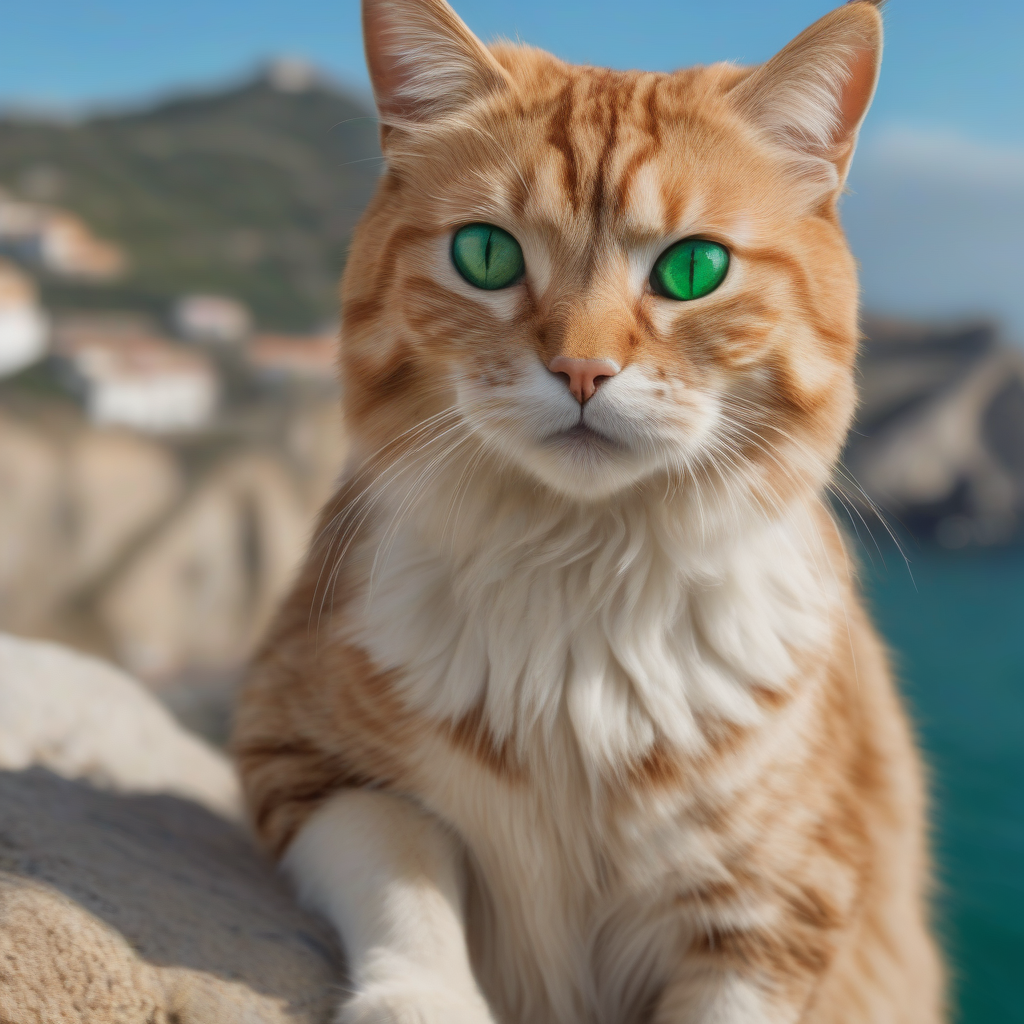
- Coat: Their coats are typically short, dense, and possess a silky texture. The color palette reflects the natural tones of its geographical habitat: sandy beige, golden, rust-brown, and grayish-brown tones are frequently observed. Some individuals may also feature subtle tabby patterns, which aid in camouflage. This coat structure ensures its resilience to both hot summers and humid winters.
- Eyes: One of its most striking features is its almond-shaped eyes, which often convey a profound depth. Eye colors commonly range from emerald green to bright amber tones, sometimes with golden nuances. These eyes reflect their intelligence and observant nature.
- Ears: Medium-sized, well-set on top of the head, and slightly pointed at the tips. They are usually covered with fine fur on the inside.
- Tail: Proportionate to its body, it has a long tail that tapers towards the tip. It expertly uses its tail for balance and communication.
Character and Temperament
The Lusitanian Cat is known for its independent spirit but forms a deep bond with its owners. It possesses an intelligent, agile, and observant nature.
- Independence: It enjoys exploring and spending time on its own. However, this does not mean it is aloof; it simply desires respect for its personal space and rhythm.
- Intelligence and Agility: Its hunting instincts are highly developed. Thanks to its agility and intelligence, it is adept at problem-solving. It loves playing, climbing, and observing its surroundings from high vantage points. Toys and interactions that offer mental and physical challenges are highly beneficial for it.
- Affectionate: While it may be reserved with strangers, it is extremely affectionate and loyal to the people it trusts and loves. It typically prefers to cuddle and show affection only with its "chosen" individuals. It enjoys spending quiet time with its owners and napping on their laps.
- Calmness: Generally, it is a calm and harmonious housemate. It dislikes noisy and chaotic environments. It exhibits its happiest state in a peaceful home setting.
Care Requirements
The Lusitanian Cat is generally a low-maintenance breed, but some basic needs must be met for it to lead a healthy and happy life.
- Coat Care: Due to its short and dense coat, shedding is at a normal level. Brushing once a week with a soft brush is sufficient to remove dead hairs and keep its skin healthy.
- Nutrition: It should be fed high-quality, balanced, and age-appropriate cat food. Given its high energy levels, a protein-rich diet is important. Ensure it has access to plenty of fresh water.
- Exercise and Mental Stimulation: Considering the Lusitanian Cat's high energy levels and hunting instincts, regular exercise is essential. Climbing trees, interactive toys, and regular play sessions are vital for both its physical and mental well-being.
- Dental and Nail Care: Regular brushing or dental-health-supporting foods are recommended for dental health. Its nails should be checked and trimmed regularly.
Health
Being a resilient breed formed by natural selection, the Lusitanian Cat generally boasts robust health. There are no known specific genetic predispositions to diseases. Its average lifespan ranges from 12 to 15 years, but with good care and nutrition, they can live even longer. Regular veterinary check-ups, vaccinations, and parasite prevention are crucial for enhancing their quality of life and detecting potential health issues early.
Who is the Lusitanian Cat Suitable For?
This breed is an ideal companion for individuals or families who appreciate its independent nature, can provide it with adequate space and mental stimulation, and offer a calm living environment. While it often prefers to live as a single cat, it can socialize with other pets (especially compatible dogs). For families with small children, it is important for the child to learn to respect the cat's independent nature.
Conclusion
The Lusitanian Cat is a truly unique cat breed, inspired by Portugal's rich history and natural beauty, possessing both elegance and a wild spirit. Sharing a life with it means bringing the hidden elegance of the Atlantic into your home and forming a deep bond with an independent yet affectionate friend. At Sen YuDo Pet, we highly recommend exploring the value and beauty of this special breed.