Introduction
In this installment of our "A-Z of Cats" series, we delve into the world of one of the most adorable and serene members of the feline kingdom: the Exotic Shorthair. Often dubbed the "lazy person's Persian," this breed combines all the charm of the Persian cat with a much more manageable short coat. Are you ready for an in-depth journey into the captivating world of these unique companions with YuDo Pet?
Origin and History
The history of the Exotic Shorthair breed is relatively recent, dating back to the late 1950s. In the United States, American Shorthair breeders began crossing Persian cats with American Shorthairs with the goal of producing cats with a fuller body, rounder head, and large eyes. This cross-breeding resulted in a new breed initially called "Sterling." However, due to the breed's close genetic and visual resemblance to the Persian, it was later renamed "Exotic Shorthair." Officially recognized by the Cat Fanciers' Association (CFA) in the mid-1960s, the Exotic Shorthair quickly gained popularity, becoming a sought-after companion in both shows and homes. The breed's objective was to preserve the charming facial expression and docile character of the Persian cat while making daily grooming much more practical. This goal was largely achieved, and the Exotic Shorthair has since become one of the most popular short-haired breeds today.
Physical Characteristics
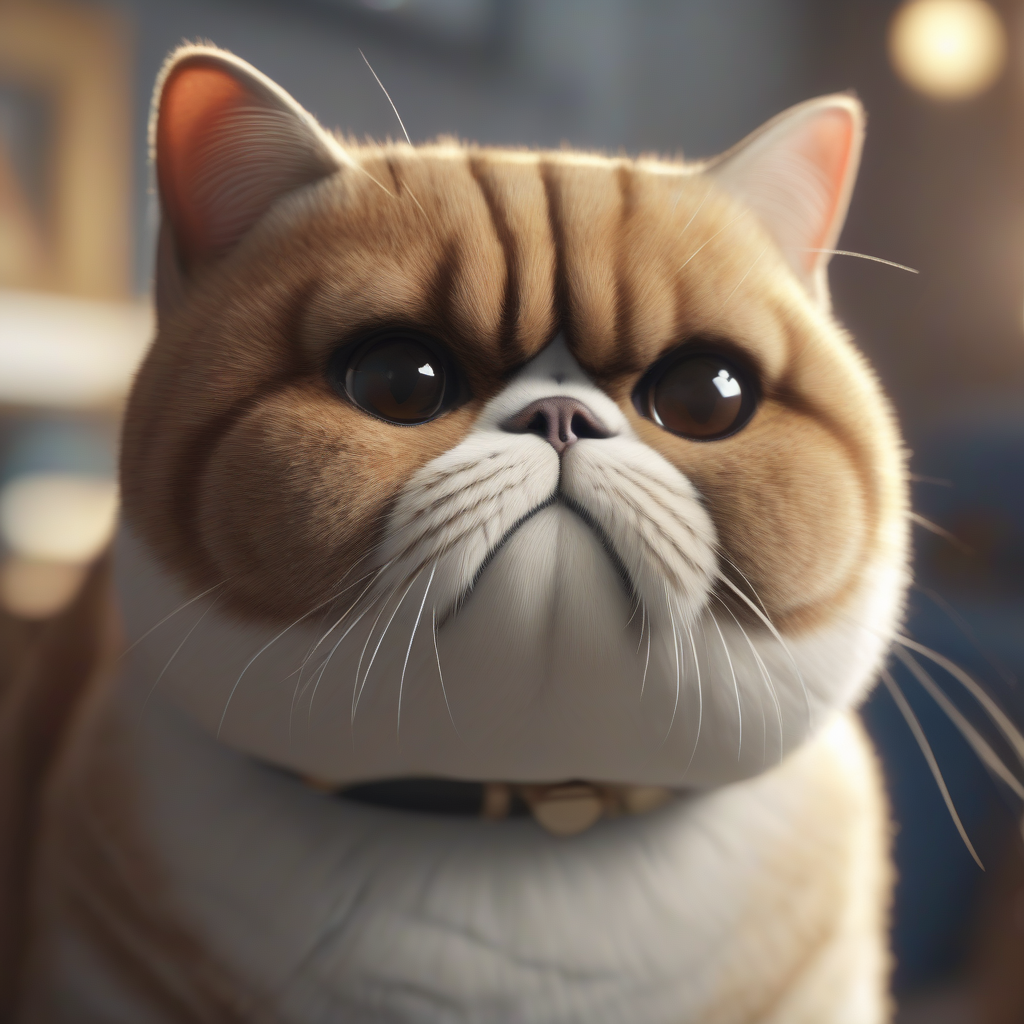
Exotic Shorthair cats have a physical structure quite similar to Persians, but their most distinctive feature is their short, dense, and plush coat.
- Body Structure: They have a medium to large, compact, and muscular body. This "cobby" build is characterized by short legs and a broad chest.
- Head and Face: They possess a round, broad head, and their most striking feature is their flat, "pushed-in" nose. This gives them a "teddy bear" or "sweetly grumpy" expression.
- Eyes: Their eyes are large, round, and luminous. Eye color is usually consistent with coat color and can often be in shades of copper, blue, or green.
- Ears: Small and rounded at the tips, they are set low on the head.
- Coat Type: They have short but dense, plush, and soft fur. This double-layered coat provides a velvety feel when touched. Coat colors and patterns are as varied as those found in Persians; many different variations exist, including solid (white, black, blue, cream), tabby, van, bi-color, and colorpoint.
Temperament and Personality
Exotic Shorthair cats are known for their affectionate, calm, and adaptable temperaments.
- Calmness and Docility: They are generally quiet and serene cats. Rather than vigorous chasing, they prefer napping in a sunny window or lounging on their owner's lap.
- Affectionate Nature: They are very devoted and loving towards their owners. They enjoy being held, petted, and receiving attention. They dislike being alone and crave their owners' company.
- Playfulness: Although calm, they do enjoy playing. They are particularly energetic during kittenhood but become more placid with age. They can be easily entertained with puzzle toys and interactive play.
- Sociability: They get along well with children and other pets, making them an excellent choice for families. They are not prone to aggressive or bad-tempered behavior.
- Vocalization: They are not very vocal. They typically express themselves with a gentle purr or a short, sweet meow.
Care and Grooming
Caring for an Exotic Shorthair is much easier than a Persian, thanks to their short coat.
- Coat Care: Brushing them two or three times a week is usually sufficient to remove loose hairs and prevent matting. This frequency may increase during seasonal shedding periods.
- Eye Care: Due to their flat facial structure, eye discharge can be more common. The area around their eyes should be gently cleaned daily with a damp cloth to prevent irritation or infection.
- Dental and Ear Care: Regular teeth brushing and ear cleaning are important for their overall health.
- Nutrition: They should be fed a high-quality cat food. Their brachycephalic (flat-faced) structure might make some food bowls difficult to use; therefore, wide and shallow bowls are preferable. Portion control is essential as they are prone to weight gain.
- Veterinary Check-ups: Annual veterinary check-ups, vaccinations, and parasite treatments should not be neglected.
Health Considerations
While generally healthy cats, their flat facial structure makes them prone to certain genetic health issues.
- Respiratory Problems: Their flattened noses can increase the risk of Brachycephalic Airway Obstructive Syndrome (BAOS), which can lead to breathing difficulties. Extra care should be taken in hot weather or stressful situations.
- Eye Problems: Eye conditions such as blocked tear ducts, excessive tearing, and corneal ulcers can occur.
- Kidney Disease: They carry a risk of Polycystic Kidney Disease (PKD), inherited from their Persian ancestors. Responsible breeders work to reduce this risk by screening cats and removing affected individuals from breeding programs.
- Heart Disease: Hypertrophic Cardiomyopathy (HCM) can also be seen in some lines.
Regular veterinary check-ups and a healthy lifestyle can help manage these risks.
Is an Exotic Shorthair the Right Cat for You?
If you are looking for a calm, affectionate, peaceful, and not overly vocal cat, the Exotic Shorthair might be the perfect choice for you. Their low-maintenance coat also makes them ideal for busy families or first-time cat owners. Their ability to get along with children and other pets makes them a true family member. Their "teddy bear" looks and gentle nature will bring joy and tranquility to your home.
Conclusion
Exotic Shorthair cats are truly special companions, offering all the charm of the Persian in a practical package. With their adorable facial expressions, calm temperaments, and wonderfully soft coats, they are destined to brighten any home. At YuDo Pet, we assure anyone considering adding this magnificent breed to their family a lifetime of loving companionship.