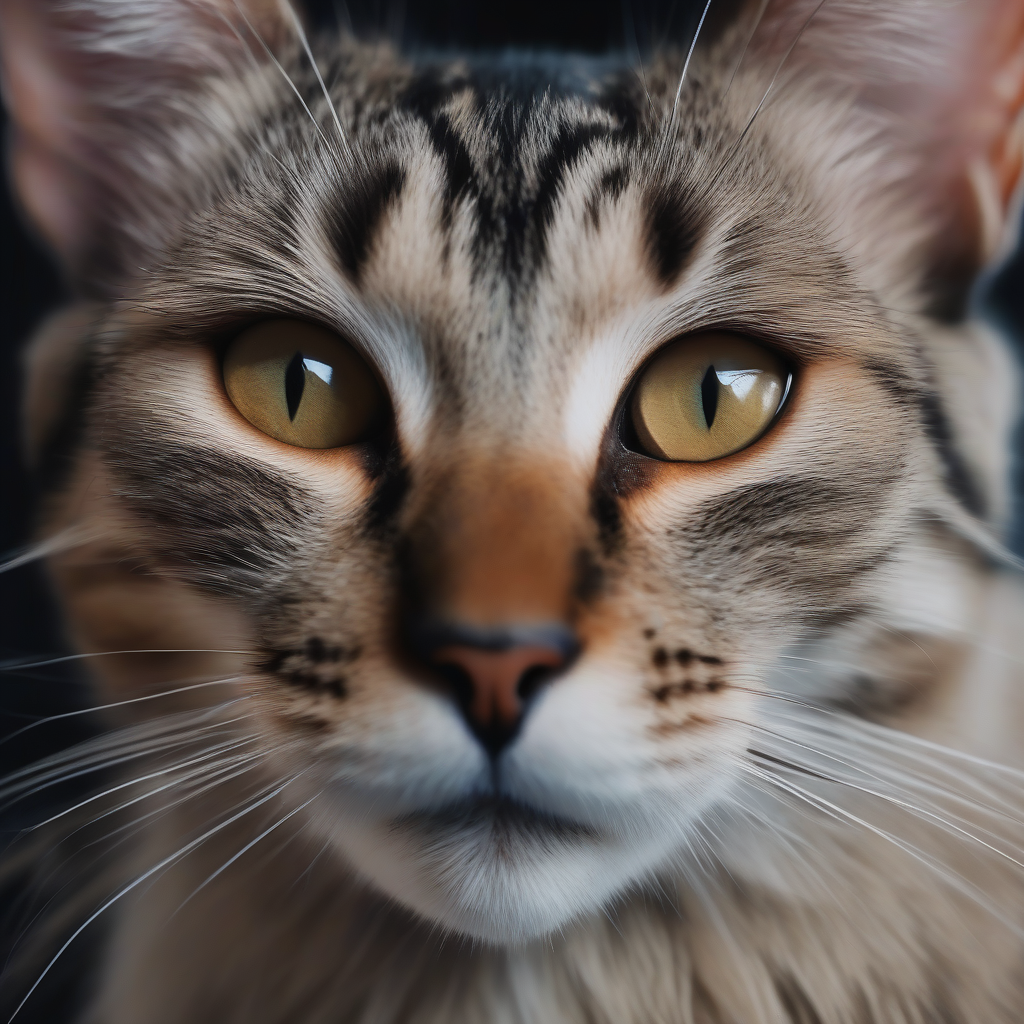
In the heart of the Mediterranean, Sardinia, one of Italy's largest islands, is known not only for its stunning landscapes and ancient history but also for a unique natural heritage: the Sardinian Cat, locally known as Gatto Sardo. This cat breed, rather than being a commercially recognized pedigree breed, is a natural landrace that has adapted to the harsh and isolated conditions of the island for thousands of years. They are true Mediterranean hunters, reflecting the island's mysterious spirit and wild beauty.
Origins and Historical Legacy
The precise origins of the Sardinian Cat are as shrouded in mist as the island's deep history. While there is evidence of feline fossils dating back 10,000 BCE in the region, it is believed that the ancestors of modern Sardinian cats were first brought to the island by Phoenicians or Romans. For centuries, the island remained isolated by the surrounding seas, leading to the development of a genetically unique population of Sardinian cats. Theories suggest they diverged from mainland European cats and even share genetic similarities with North African wildcats (Felis lybica lybica). This isolation allowed them to perfectly adapt, through natural selection, to the island's challenging climate and hunting requirements.
Physical Characteristics: Agility and Robustness
The Sardinian Cat is generally a medium-sized cat with a sturdy and muscular build. Their average weight ranges from 3 to 5 kg (6.6 to 11 lbs). One of their most striking physical features is their agile and athletic build, which allows them to move easily across the island's rugged terrain. Their short coats are typically dense and glossy, making them resilient to the warm Mediterranean climate and easy to maintain. Coat colors and patterns are quite varied, but common ones include tabby (brown, grey, or black stripes), black, white, red, and tabby-and-white combinations. Eye colors are usually green, gold, or copper, conveying an intelligent, alert expression. Their ears are medium-sized and erect. Tails are generally medium in length and taper towards the tip, playing an important role in their balance.
Character: Independent Yet Loyal
Character-wise, the Sardinian Cat possesses an independent and intelligent nature. Thousands of years of natural selection have endowed them with excellent hunting abilities, and these instincts are evident even in a domestic setting. They are very active and curious, enjoying exploration and play. They may initially be reserved with strangers but form deep bonds with people they trust. They can be quite loyal and affectionate towards their owners, often enjoying lap time or petting. However, they also value their own space and independence. These qualities make them ideal for those seeking both an adventurous spirit and a loving companion. They require mental stimulation and greatly enjoy puzzle toys and toys that mimic hunting scenarios.
Health and Care: Natural Resilience
Being a natural breed, the Sardinian Cat is generally very healthy and robust. Thanks to their genetic diversity, they are more resistant to common inherited diseases often seen in pedigree breeds. Their average lifespan can range from 12 to 18 years, and they can live even longer with proper care and a healthy lifestyle.
Their grooming needs are minimal. Weekly brushing of their short coats is sufficient to remove loose hair and maintain its shine. Dental health, nail care, and regular veterinary check-ups are crucial for Sardinian cats, as with all felines. Due to their active nature, a balanced and high-quality diet is vital to meet their energy needs and maintain their ideal weight. Providing ample opportunities for exercise and play is critical for both their physical and mental well-being.
Living with a Sardinian Cat
For those considering adopting a Sardinian Cat, it is important to take into account their active and independent nature. Homes with ample living space or safe outdoor access are ideal for them. Climbing towers, various toys, and interactive games help them expend their energy and satisfy their hunting instincts. They can get along well with children and other pets, but early socialization is important. With patient and attentive owners who respect their independence, Sardinian Cats bring unique beauty, elegance, and the spirit of the Mediterranean into their homes.
Conclusion
The Sardinian Cat (Gatto Sardo) is not just a pet; it is a living piece of Sardinia's history. Their wild beauty, intelligence, and independent spirit are testament to a unique heritage stemming from the ancient lands of the Mediterranean. Sharing a life with these special cats is not just about gaining a companion, but becoming part of a captivating story from the depths of nature and history.