A-Z Cat Breeds: The Kodiak Cat – Alaska's Velvet Hunter
In the pristine, wild lands of the North, defying the harsh climatic conditions of Kodiak Island, Alaska, there exists a unique cat breed: the Kodiak Cat. Shaped by icy winds and snow-covered forests, this breed stands out with both its resilience and surprisingly gentle demeanor. Combining a wild beauty with the warmth of a domestic companion, the Kodiak Cat seems to have stepped right out of a frozen fairy tale.
Origins and History: A Heritage Shaped by Nature
The origins of the Kodiak Cat lie in the wild nature of Kodiak Island, from which it takes its name. Unlike many other cat breeds, these cats did not develop as a result of deliberate human crossbreeding but as a product of natural selection and geographical isolation. Over centuries, the island's challenging climate and rich hunting grounds ensured the survival of the strongest, smartest, and best-adapted cats. This process has endowed the Kodiak Cat with unique physical and character traits. Local inhabitants benefited from these cats' hunting prowess, and over time, a strong bond formed between them. Although still a rare breed today, it stands out with its robust genetic makeup and adaptability, becoming one of the silent guardians of the North.
Physical Characteristics: The Beauty and Strength of the North
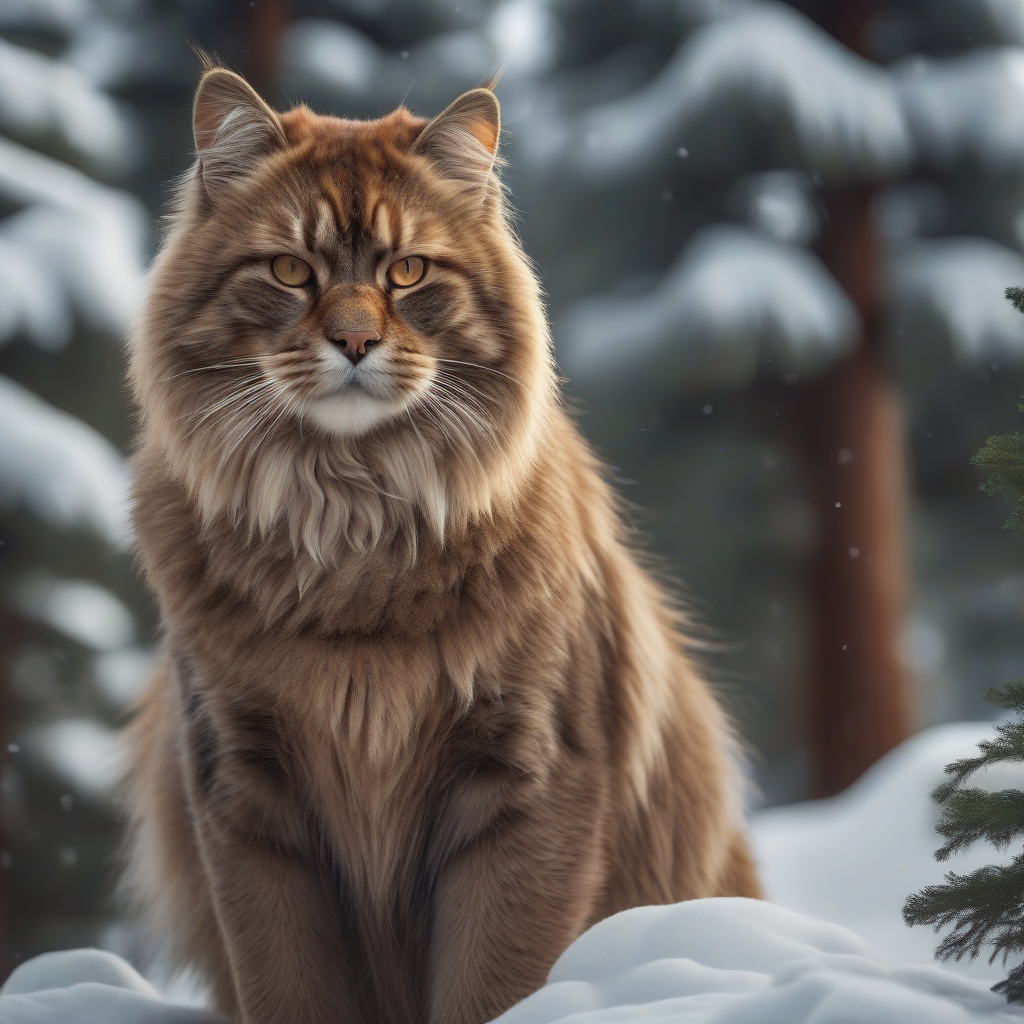
The Kodiak Cat immediately captivates with its striking and powerful appearance. They possess a medium to large size, with a muscular and sturdy body structure. Males are typically larger than females, and their average weight can range from 11-20 lbs (5-9 kg), making them imposing among domestic cats. Their most distinctive feature is their thick, double-layered coat, which protects them from Alaska's freezing cold. This coat consists of a waterproof outer layer (guard hairs) and a dense, insulating undercoat (soft underfur). This structure shields them from snow and rain while maintaining their body temperature perfectly. Coat colors typically come in natural tones, including various shades of brown, gray, black, and cream. Tabby patterns are quite common, giving them an appearance reminiscent of their wild ancestors. Their heads are round with strong jaws; their eyes are usually amber, green, or gold, with a sharp and alert expression. Their ears are medium-sized and slightly tufted for protection against the cold. Strong, short legs and broad paws enable them to move easily through snow and maintain balance on icy surfaces. Their tails are medium-length and also densely furred.
Character and Temperament: A Harmony of Independence and Loyalty
While Kodiak Cats may appear tough and independent on the outside, they are incredibly affectionate and loyal to their families. They are intelligent and curious, enjoying exploring their surroundings and learning new games. Their hunting instincts are highly developed, so they show great enthusiasm for toys resembling mice or birds during playtime. Puzzle toys and interactive games that keep them mentally engaged are ideal for these intelligent cats. They are generally quiet cats; instead of frequent meowing, they prefer to express their needs or desires through body language, purrs, or gentle rubbing. They typically display a positive attitude towards water, a trait inherited from their fish-hunting ancestors. Some Kodiak Cats may even enjoy playing with puddles or running tap water. They can get along well with other pets and children, but due to their independent nature, they require their own space and respect. Their calm and adaptable disposition makes them wonderful companions in a home environment, though opportunities for exploration and 'hunting' should still be provided.
Caring for Your Kodiak Cat: Tips for a Healthy and Happy Life
Caring for a Kodiak Cat requires some special attention, particularly due to its dense coat:
- Grooming: Their thick, double-layered coat should be brushed several times a week, especially during shedding seasons (typically spring and autumn). This prevents matting, keeps the coat healthy, and helps remove dead hairs. Normally, brushing 2-3 times a week is sufficient. Regular brushing also supports skin health.
- Nutrition: A high-quality, protein- and fat-rich cat food is vital to maintain their muscular build and energy levels. Given their adaptation to a cold climate, their energy requirements might be slightly higher than other breeds. Fresh and clean water should always be accessible.
- Exercise and Mental Stimulation: Plenty of play and mental stimulation should be provided to satisfy their hunting instincts. Climbing trees, interactive toys, laser pointers, and opportunities for safe outdoor exploration (e.g., on a leash) will keep them happy and fit. They especially love to climb to high places.
- Veterinary Check-ups: As with all cat breeds, regular veterinary check-ups are essential for keeping vaccinations and parasite treatments up-to-date and monitoring their overall health. Being a natural breed, they have a lower predisposition to genetic diseases, but preventive medicine is still important.
- Socialization: Early socialization helps them establish harmonious relationships with other animals and people. Exposure to different sounds and environments from kittenhood ensures they grow into well-adjusted cats.
Health and Average Lifespan
As a breed developed through natural selection, Kodiak Cats are generally very healthy and robust. Their ability to survive in their natural environment has ensured a strong and diverse gene pool. Their average lifespan can range from 12 to 15 years. However, like any cat, regular veterinary check-ups and a healthy lifestyle are important to guard against common feline ailments such as obesity, dental issues, or kidney problems. Special attention should be paid to the risk of overheating in warmer climates due to their thick fur; cool and shaded areas should be provided during summer months.
Conclusion: Your Northern Spirit at Home
The Kodiak Cat, a reflection of Alaska's rugged conditions, is truly a unique breed with both physical resilience and a profound character. These gentle giants offer loyal, intelligent, and independent companionship to their owners. If you are looking for a sturdy and loving companion that embodies the wild spirit of the North in your home, the Kodiak Cat might be the perfect choice for you. When you provide them with sufficient space, love, and care, they will bring immeasurable joy and tranquility into your life. Remember, every cat has an individual personality, but the general characteristics of the Kodiak Cat promise a wonderful companion. If you are considering adopting this special breed, it is recommended to contact local shelters or reputable breeders for detailed information.