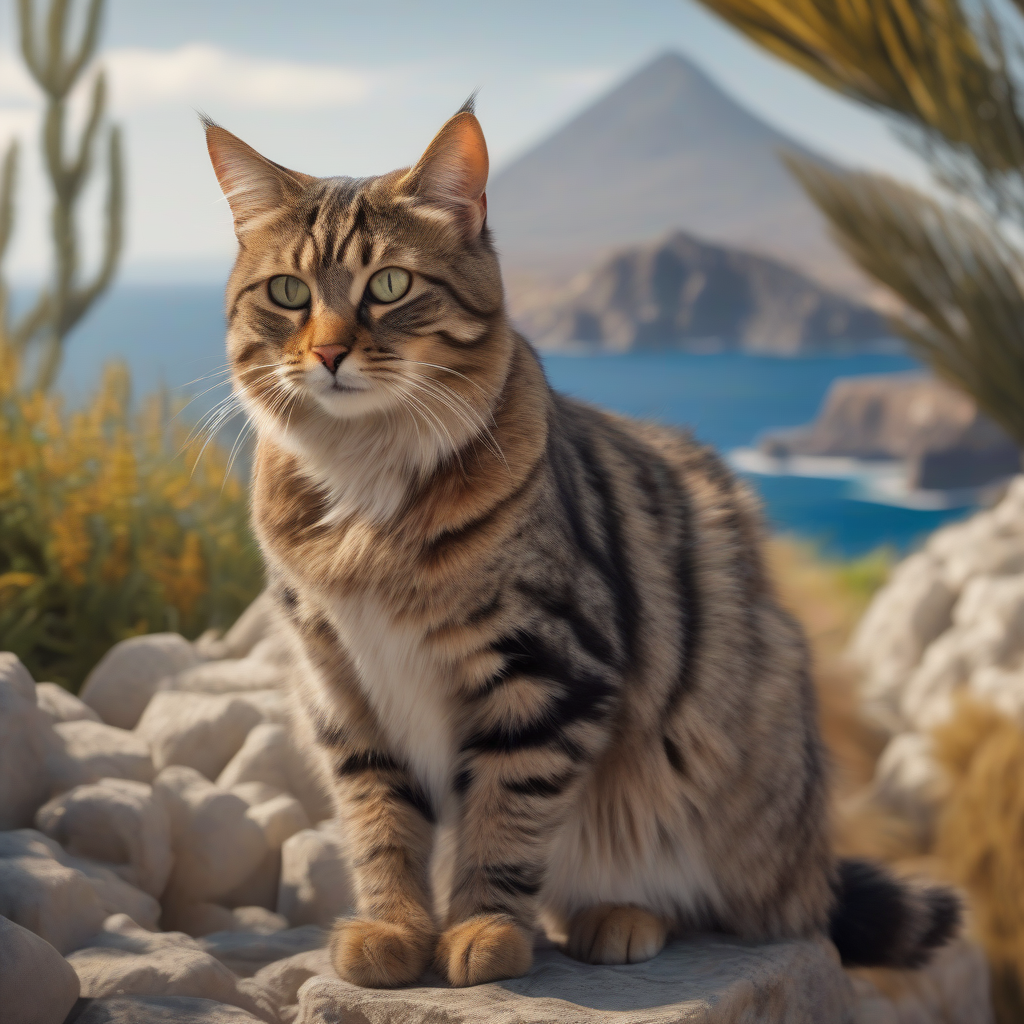
A to Z Cats: The Aeolian Cat – A Mysterious Heritage from the Windy Islands of the Mediterranean
Within the enigmatic and graceful world of cats, there are many unique breeds shaped by the hands of nature. In this installment of our “A to Z Cats” series, we introduce you to the hidden gem of Italy's Aeolian Islands, volcanic islands rising from the cool waters of the Tyrrhenian Sea: the Aeolian Cat. This natural breed has developed its distinct character and physical traits under the Mediterranean winds and challenging island conditions, becoming a living legacy of the region.
History and Origin: An Identity Shaped by Isolation
The Aeolian Cat (also known as Eol Kedisi in Turkish) takes its name from the Aeolian Islands (Lipari, Vulcano, Salina, Stromboli, Filicudi, Alicudi, Panarea), a volcanic archipelago of seven islands north of Sicily. The geographical isolation of these islands has allowed the cats to form a unique population, evolving through natural selection without much influence from the outside world. While the exact time of the cats' arrival on the Aeolian Islands is unknown, it is believed they may have arrived with ancient seafarers like the Phoenicians and Greeks. Over centuries, they adapted to the island's harsh climate, limited resources, and volcanic terrain, developing their current resilient and agile build. Although not yet fully recognized as an official cat breed, these cats are considered a natural breed or landrace with consistent genetic and phenotypic characteristics.
Physical Characteristics: The Marks of Island Life
The Aeolian Cat typically has a medium-sized, muscular, and agile build. The challenges of island life have forged them into strong and athletic individuals. Their average weight can range from 3 to 6 kg (6.6 to 13.2 lbs).
- Body Structure: They possess a strong, proportionate body, long legs that allow for agile movement, and a medium-length tail that tapers towards the tip.
- Coat: Their coat tends to be semi-longhaired, but shorthaired variations can also be observed. Their dense and thick fur provides good protection against the variable island weather, especially wind and humidity. Coat colors and patterns are quite diverse, including many natural color and pattern combinations such as tabby, black, white, cream, and tortoiseshell. However, tabby patterns and grey tones are more common among island cats due to the camouflage they provide.
- Head: Their heads are proportionate, medium-sized, with a slightly triangular shape. Their eyes are usually almond-shaped and can be in shades of green, amber, or copper. The sharpness of their eyes contributes to their success as hunters.
- Ears: Their ears are medium-sized, slightly rounded at the tips, and set high on the head.
Character and Temperament: Independent Yet Loyal
The Aeolian Cat possesses an independent spirit born from island life, yet is capable of forming warm relationships with humans. Their character traits include:
- Independence: They are quite independent due to their ability to find food and survive on the Aeolian Islands. This means they may also seek their own space and time in a domestic setting.
- Intelligence and Hunting Prowess: They are exceptionally intelligent and alert cats. Their mastery in hunting rodents and birds in the island environment translates into a playful and curious nature at home. They enjoy interactive games with toys and respond well to puzzle toys.
- Social Structure: Initially, they might be somewhat reserved or distant with strangers, but they are highly affectionate and devoted to their family members. They form deep bonds with people they trust and enjoy cuddling or napping nearby.
- Energy Level: They have a moderate energy level. They enjoy both relaxing and playing. Their instincts for climbing and exploring are strong, so climbing trees and high perches are important for them.
Care Tips: Preserving Their Natural Beauty
As a natural breed, Aeolian Cats are generally robust and healthy individuals. Their care needs may vary according to coat length:
- Coat Care: For semi-longhaired variations, brushing 2-3 times a week is sufficient to prevent tangles and reduce shedding. Shorthaired cats require less frequent brushing.
- Nutrition: A high-quality cat food will meet all their nutritional needs. Considering their active nature, appropriate portion sizes are important for their energy levels.
- Health: Generally, they have a low predisposition to genetic diseases. Regular veterinary check-ups, vaccinations, and parasite prevention are sufficient for a healthy life.
- Activity: Mental and physical stimulation keeps them happy and balanced. They should be provided with games, climbing areas, and safe environments to explore.
Is the Aeolian Cat Right for a Family?
Despite their independent character, the Aeolian Cat can be a wonderful pet in the right family environment. They can get along well with children and other pets, but it's crucial to introduce them patiently and carefully. They are ideal companions for families who respect their independence, enjoy playing, and try to understand their natural instincts. Especially for individuals or families with a quiet and calm lifestyle, these gentle and intelligent cats can offer peaceful companionship.
Conclusion: The Hidden Heritage of the Mediterranean
The Aeolian Cat is a unique heritage from the stunning volcanic islands of the Mediterranean, shaped by nature itself. With its independent spirit, keen intelligence, and deep loyalty to its family, this breed is a true treasure waiting to be discovered by cat lovers. Adopting one means opening the door not just to a cat, but also to the ancient soul of the Mediterranean and the silent wisdom of its islands. At Sen YuDo Pet, we will continue to highlight the importance of natural and rare breeds like the Aeolian Cat and introduce you to their unique beauty.