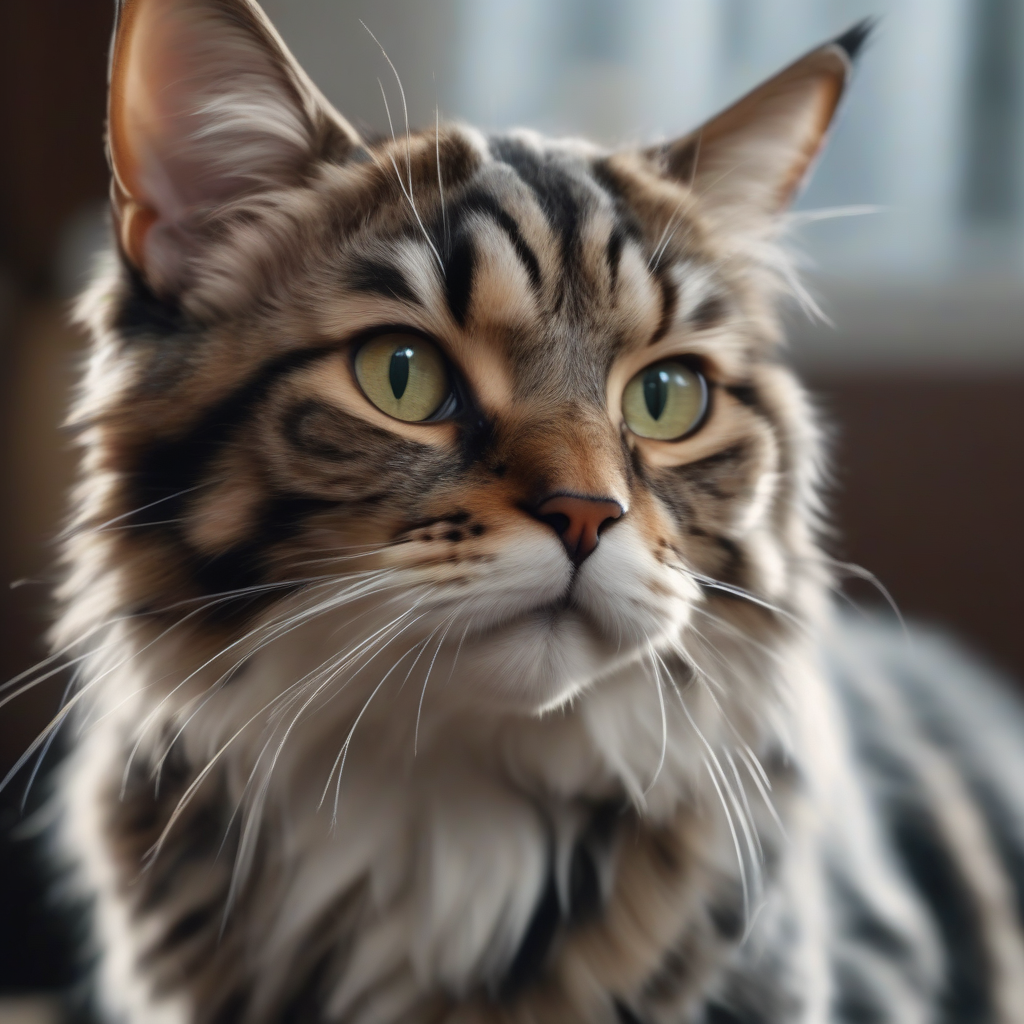
A to Z Cats: The Highlander Cat – A Wild Beauty with Curled Ears
Welcome to the captivating world of the Highlander cat. This extraordinary breed seamlessly blends the majestic appearance of a wild jungle cat with the warm affection of a beloved domestic companion. With their distinctive curled ears, short bobtail, and strong, athletic build, Highlanders are rapidly gaining popularity among cat enthusiasts. Let's delve into the depths of this special feline and discover what makes it so truly unique.
Origins and History
The Highlander cat is a relatively new breed, developed in the United States in the early 1990s. The goal was to create a domestic cat with a wild appearance but a gentle, domesticated personality. This breed emerged from crossbreeding various hybrid cats, notably the "Desert Lynx" (a domestic cat hybrid bred to resemble a desert lynx) and the "Jungle Curl" (a breed known for its curled ears). Initially named the Highland Lynx, the breed officially became known as the Highlander when it was recognized by TICA (The International Cat Association) in 2005. This name change emphasizes the breed's robust and mountain-like appearance.
Physical Characteristics
Highlander cats are distinguished by their unique physical attributes:
- Ears: Their most striking feature is their wide, curled ears, which have tips that curl upwards and backwards. This curl contributes to their wild look and is more pronounced than that of the American Curl breed. The inner part of their ears may be sparsely furred or hairless.
- Tail: Highlanders typically possess a short, bobtail, which can vary in length and is unique to each individual cat, sometimes resembling a lynx's tail.
- Body: They have a muscular, strong, and athletic physique, characterized by a broad chest, powerful shoulders, and long, muscular legs. They are medium to large-sized cats, weighing between 9 to 20 pounds (4 to 9 kg).
- Coat: Highlanders come in both short-haired (Highlander Shorthair) and long-haired (Highlander Longhair) varieties. Their fur is dense and can feature a wide array of colors and patterns, with tabby markings, spotted variations, marbled patterns, and solid colors being the most common.
- Paws: Some Highlander cats can be polydactyl, meaning they have extra toes. This trait gives them larger paws and a stronger grip, enhancing their climbing and hunting abilities.
- Eyes: They have large, almond-shaped eyes, and their color typically harmonizes with their coat color. They can be gold, green, or copper-toned.
Temperament and Character
Despite their formidable appearance, Highlander cats are remarkably affectionate, social, and friendly. Those who live with them often discover how surprisingly gentle and playful this breed can be.
- Playful and Energetic: They possess high energy levels and absolutely adore playing. Puzzle toys, interactive games, and feather wands are among their favorites. Their strong predatory instincts mean they can be entertained for hours with toy mice and laser pointers.
- Intelligent and Trainable: Thanks to their intelligence, they can easily learn new tricks and commands. Some can even be leash-trained and enjoy walks with their owners. They are known for their dog-like loyalty and eagerness to play, often following their owners around the house.
- Social and People-Oriented: They form strong bonds with their family members and dislike being left alone for extended periods. They love interacting with humans, cuddling, and playing. With proper early socialization, they can get along well with children and other pets, often showing a willingness to play with other animals.
- Affinity for Water: Many Highlander cats exhibit a natural fascination with water. They might enjoy watching running taps, and some may even like bathing or playing with water. This fondness for water is an interesting trait that sets them apart from many other cat breeds.
Care Tips
Highlander cats require regular care to ensure a healthy and happy life:
- Coat Care: Both short-haired and long-haired Highlanders have moderate shedding. Brushing them once or twice a week helps prevent matting and removes loose fur. Long-haired varieties may require more frequent grooming. Regular brushing also helps reduce the formation of hairballs.
- Ear Care: Due to their curled ears, they can be more prone to wax buildup, and air circulation might be less. Their ears should be regularly checked and gently cleaned with a veterinarian-recommended cleanser. If any signs of infection (redness, foul odor, discharge) are noticed, contact a vet immediately.
- Nail and Dental Care: Nails should be trimmed regularly, and dental hygiene maintained by brushing their teeth as recommended by a vet. Professional dental cleaning at a veterinary clinic might also be considered. If your cat is polydactyl, ensure the extra claws are trimmed regularly.
- Nutrition: A high-quality, balanced cat food is essential for their well-being. Given their high energy levels, ensuring adequate protein intake is crucial. Portion control is critical to prevent obesity.
- Exercise and Mental Stimulation: To prevent boredom and keep them healthy, Highlanders require plenty of playtime, scratching posts, and interactive toys. Puzzle feeders and games are also excellent for mental stimulation. Daily play sessions help them burn off their energy.
Health
Highlander cats are generally a healthy breed and typically live for 10-15 years. No specific genetic diseases are widely reported as common within the breed. However, like all cats, they benefit from regular veterinary check-ups, vaccinations, and parasite prevention. Due to their ear structure, they might be susceptible to ear infections, making regular ear monitoring important. Polydactyly usually does not cause health issues, but it's important to ensure their extra claws are trimmed correctly and their paw pads are kept clean.
Who is it Suitable For?
Highlander cats are an excellent choice for active, interactive families who enjoy spending quality time with their feline companions. As they dislike being alone for long periods, they might not be ideal for individuals who are frequently away from home. For families with children and other pets, with proper socialization, Highlanders can become wonderful family members. Their energy and playful nature thrive best in a family that provides them with attention and engagement.
Conclusion
The Highlander cat holds a truly special place in the pet world, thanks to its wild appearance, unique physical characteristics, and affectionate personality. If you're looking for a companion that brings joy and adventure into your home with its energy, intelligence, and people-oriented nature, the Highlander might be the perfect match for you. Provide them with love and proper care, and you'll experience years of unforgettable friendship.