A Blue Ghost: Meet the Russian Blue Cat
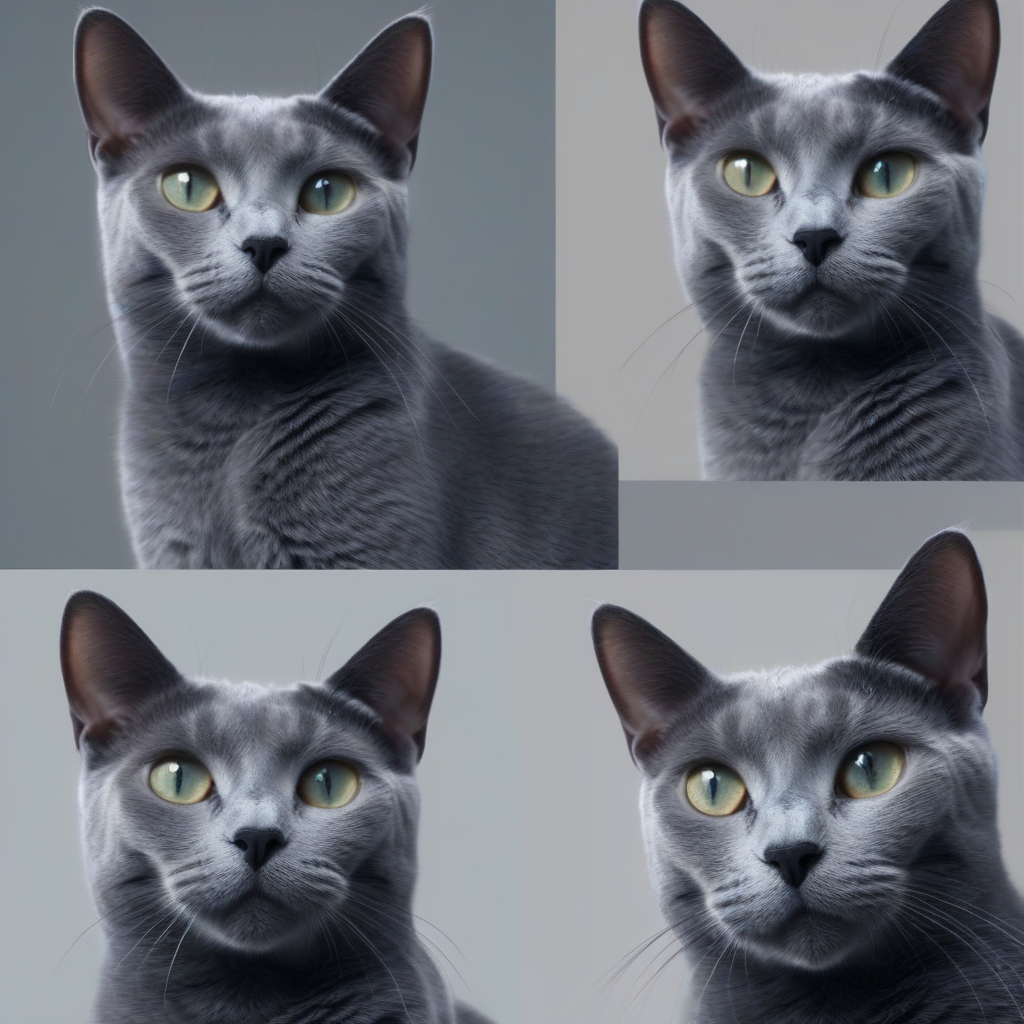
Known among cat lovers for its distinctive beauty and calm demeanor, the Russian Blue cat is also referred to as a "blue ghost." Originating from Russia, this noble breed draws attention with its elegant posture, short and soft fur, vibrant aquamarine eyes, and melancholic gaze.
If you wish to fill your home with quiet elegance and serene companionship, the Russian Blue might be the perfect choice for you.
Origins and History
While precise information about the Russian Blue cat's origins is scarce, the most widely accepted theory is that these cats naturally emerged in the Arkhangelsk region of Russia. Their dense, double-layered fur, developed under the influence of the cold climate, protected them against harsh winter conditions. Believed to have been brought to England by British sailors in the 1860s, Russian Blues quickly captivated the interest of nobility and cat enthusiasts.
Although their numbers significantly dwindled during World War II, dedicated breeders managed to save the breed from extinction, leading to its current popularity. They are thought to have been introduced to America in the early 1900s.
Physical Characteristics
The Russian Blue cat is a medium-sized, muscular, and elegant creature. Its most notable features include:
- Coat: Short, dense, velvety, and soft fur with a double layer. This structure prevents the fur from lying flat against the body, giving it a voluminous and plush appearance. The tips of the hairs have a silvery sheen, contributing to their "blue ghost" look.
- Color: As their name suggests, the standard color is a blue-gray shade with a distinct silvery sheen. However, rare white and black Russian Blues can also be seen.
- Eyes: One of the most captivating features of these cats is their eyes. Their vibrant, bright, and deep aquamarine green eyes are usually almond-shaped and set wide apart. Kittens have blue eyes that change to various shades of green as they mature.
- Head: They have a relatively small, wedge-shaped head in proportion to their body. Their cheeks are full, and the whisker pads are prominent.
- Ears: Wide-based, pointed, and medium-sized. The insides of their ears are light-colored.
- Body: They possess long, slender legs, an elegant body structure, and a long, tapering tail.
- Nose: Usually slightly slanted, pink or dark gray in color.
Temperament and Behavior
Russian Blues are known for their calm, gentle, and independent nature. While not overly vocal, they form strong bonds with their owners and generally like to keep track of their humans' whereabouts. They are typically quiet, and their meows are soft.
- Calm and Gentle: They dislike stressful environments and prefer quiet, peaceful homes. Sudden movements or loud noises can startle them.
- Intelligent and Playful: They are more intelligent and playful than they appear. They enjoy engaging with toys and games that stimulate their minds.
- Independent: They are capable of spending time alone. However, this doesn't mean they don't crave attention. They are affectionate towards their families and enjoy being petted, but on their own terms.
- Loyal and Affectionate: They are very loyal to their families and often form a particular attachment to one person. They can be initially reserved with guests.
- Cleanliness: They are exceptionally clean cats. They groom themselves constantly by licking, and their litter box training is usually straightforward.
Care and Nutrition
Caring for a Russian Blue cat is quite easy. Due to their double-layered fur, they shed less than many other long-haired breeds. Brushing them once or twice a week helps remove dead hair and keeps their coat shiny.
- Grooming: Regular brushing reduces shedding and maintains a healthy coat. More frequent brushing is beneficial during shedding seasons.
- Eye and Ear Cleaning: If their eyes have discharge, gently clean them with a damp cloth. Their ears should be checked regularly and cleaned with special ear cleaning solutions if necessary.
- Nail Trimming: Regular nail trimming is important for both your cat's safety and your furniture.
- Nutrition: A balanced and high-quality cat food is essential for their healthy life. High-protein, grain-free, or low-grain diets are recommended. They should always have access to fresh, clean water.
Health
Russian Blues are generally a healthy breed and can live long lives (15-20 years). However, like all breeds, they may have certain genetic predispositions. The most common health issues include dental and gum diseases, and kidney problems. Therefore, regular veterinary check-ups and a healthy diet are crucial for early diagnosis and treatment of potential health issues.
Conclusion
The Russian Blue cat, with its elegance, calmness, and affectionate yet independent nature, can be a wonderful companion for your home. If you are looking for a gentle and loyal friend in a quiet environment, meeting this "blue ghost" will add a unique beauty to your life.