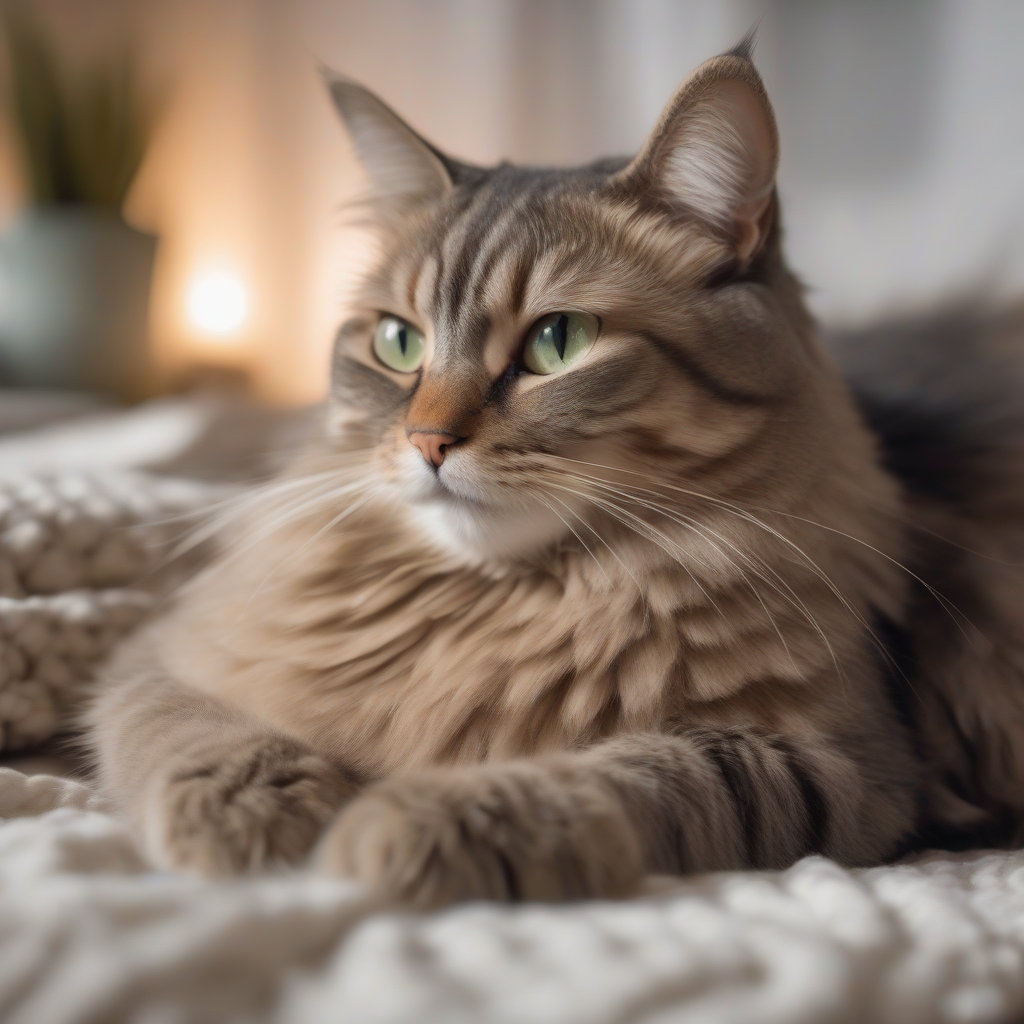
March 2026's Viral Trend: 7 Expert Secrets to Ensure Your Cat's "Golden Years" are Full of Health and Joy!
In March 2026, a new wave of sensitivity is sweeping through the pet world: a growing movement focusing on the special care our senior cats deserve! While every moment we spend with our furry friends is precious, ensuring they live a life full of comfort, health, and joy in their 'golden years' is becoming a priority for every cat owner. Now, not just young and energetic cats, but also our senior feline companions are at the center of innovative approaches to improving their quality of life, becoming viral trends. In this article, you will discover 7 smart secrets, approved by experts, that will help your cat stay happy and peaceful even in their advanced age.
Understanding Your Aging Cat's Needs: Why It's More Important Now?
Cats age much faster than humans, and their physical and mental needs change significantly as they get older. An average cat begins to be considered 'senior' after 7 years of age and enters the 'geriatric' period after 11 years. During these periods, many health problems such as joint pain, dental issues, digestive sensitivities, loss of sight or hearing, kidney or thyroid problems can emerge. As of March 2026, awareness among cat owners regarding senior cat care has increased, embracing the philosophy that "old age is not a disease, but a process." With this awareness, taking proactive and loving steps to ensure they navigate this period in the best possible way is vital.
1. Specialized Nutrition: The Importance of Age-Appropriate Diet
Aging cats have slower metabolisms and different nutritional needs compared to younger cats. Proper nutrition during this period helps manage existing health issues and prevent new ones from arising.
Highly Digestible Foods
The digestive system of older cats can become more sensitive. Therefore, easily digestible, high-quality protein, and lower-fat foods should be preferred. Anti-inflammatory components like Omega-3 fatty acids can support joint health. Consulting a vet to choose specialized foods appropriate for your cat's age, health status, and activity level is best.
Supplements and Hydration
Supplements containing glucosamine and chondroitin for joint support, and antioxidants for cognitive function, can be beneficial. Older cats may experience decreased thirst; therefore, providing easy access to fresh water sources, using water fountains, or increasing fluid intake with wet food is important.
2. Comfortable and Accessible Home Environment: Designing a "Senior-Friendly Cat Home"
Adjusting your cat's home environment according to their senior needs enhances their safety and comfort. This forms the foundation of the "senior-friendly cat home" trend of March 2026.
Easily Accessible Beds and Litter Boxes
For older cats with aching joints, climbing to high places or entering deep litter boxes can become difficult. Low-sided litter boxes, and stepped beds or ramps make their lives easier. Ensure their beds are warm and soft.
Solutions for Slippery Floors
Slippery surfaces like parquet or tile can increase the risk of falls for older cats. Use non-slip mats or rugs to help your cat walk and move comfortably.
3. Gentle Exercise and Mental Stimulation: "Slow Flow" Games
Physical activity and mental stimulation can slow cognitive decline and help maintain muscle mass in older cats. "Slow flow" games offer entertainment without causing fatigue.
Low-Impact Games
Instead of high jumps or fast runs, encourage gentle movement with toys like feather wands, laser pointers (being careful not to harm their eyes), or slowly rolling balls. Short and frequent play sessions are more beneficial.
Puzzle Toys
Puzzle toys with food rewards keep older cats mentally active and gently stimulate their hunting instincts. This helps them maintain cognitive sharpness.
4. Regular Veterinary Check-ups: Early Diagnosis Saves Lives
Senior cats should have at least two veterinary check-ups per year for early diagnosis and treatment of potential health problems.
Routine Check-ups and Blood Tests
A veterinarian should perform a comprehensive physical examination and may request blood tests to check important values such as kidney, liver functions, and thyroid levels. These checks help catch signs of chronic diseases.
Pain Management
Older cats tend to hide their pain. Your vet can recommend appropriate pain management strategies for your cat's joint pain or other discomforts. This improves their comfort.
5. Gentle Grooming and Hygiene: Coat Care and Dental Health
Older cats may not be able to clean themselves as well as they used to. This can lead to matting and skin problems.
Soft Coat Care
Regular and gentle brushing helps control shedding, reduces hairball formation, and improves blood circulation. This also strengthens the bond between you and your cat.
Attention to Gum Health
Dental diseases are common in older cats and can lead to serious health issues. Regular dental check-ups, veterinary cleanings, and at-home dental care products (with vet approval) are important.
6. Stress Management and a Safe Environment: Routine and Calm
Older cats can be more sensitive to changes and their stress levels can rise. A calm and predictable environment helps them stay peaceful.
Avoiding Changes
Try to keep the home routine as consistent as possible. Minimize stress factors such as furniture rearrangements, new pets, or sudden loud noises.
Safe Hiding Places
Create special areas where your cat feels safe, can observe the house from a high spot, or rest in a quiet corner. This is important for their mental well-being.
7. Love and Patience: The Most Important Medicine
No technological innovation or special food can replace love and patience. Having a senior cat means a special responsibility and a deep bond.
Spending Quality Time
Cuddle your cat gently, stroke them, talk to them. Older cats need attention and affection more than ever.
Accepting Changes
Patiently accept your cat's changing behaviors and abilities as they age. Approaching them with understanding will make this period easier and more enjoyable for both you and your cat.
Conclusion: Being There for Your Cat at Every Age
In March 2026, senior cat care has become a rising trend, not just a duty, but an expression of the deep love we feel for them. By applying these 7 expert secrets, you can ensure your cat's "golden years" are spent in the best possible way, offering them the comfort, health, and joy they deserve. Remember, no matter your cat's age, your love and care are the most valuable gifts for them.